
Amazing Superfoods for Senior Citizens in India to Prevent Chronic Diseases
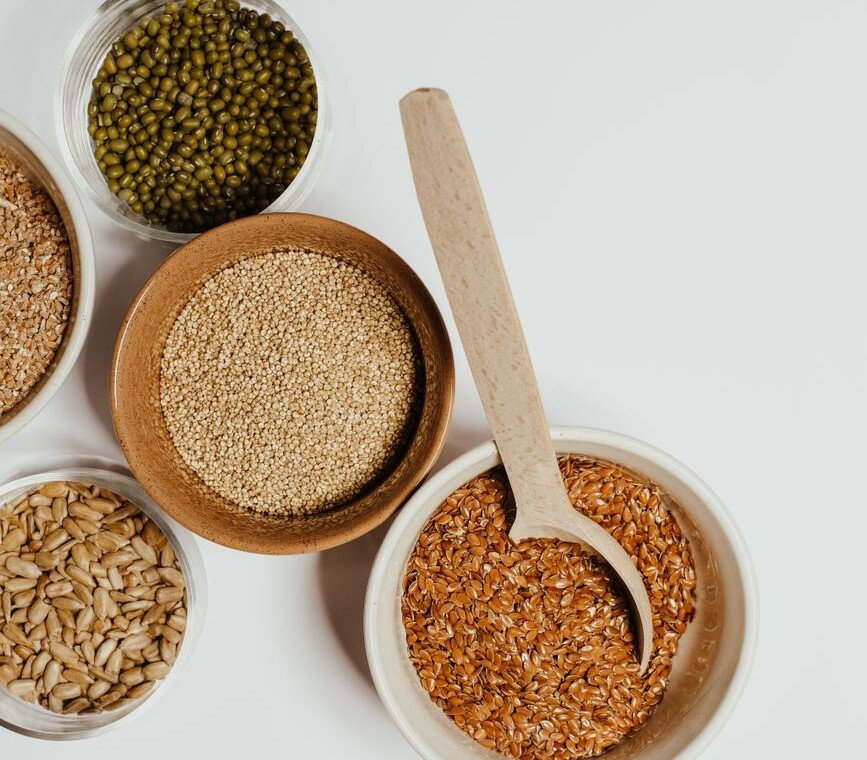
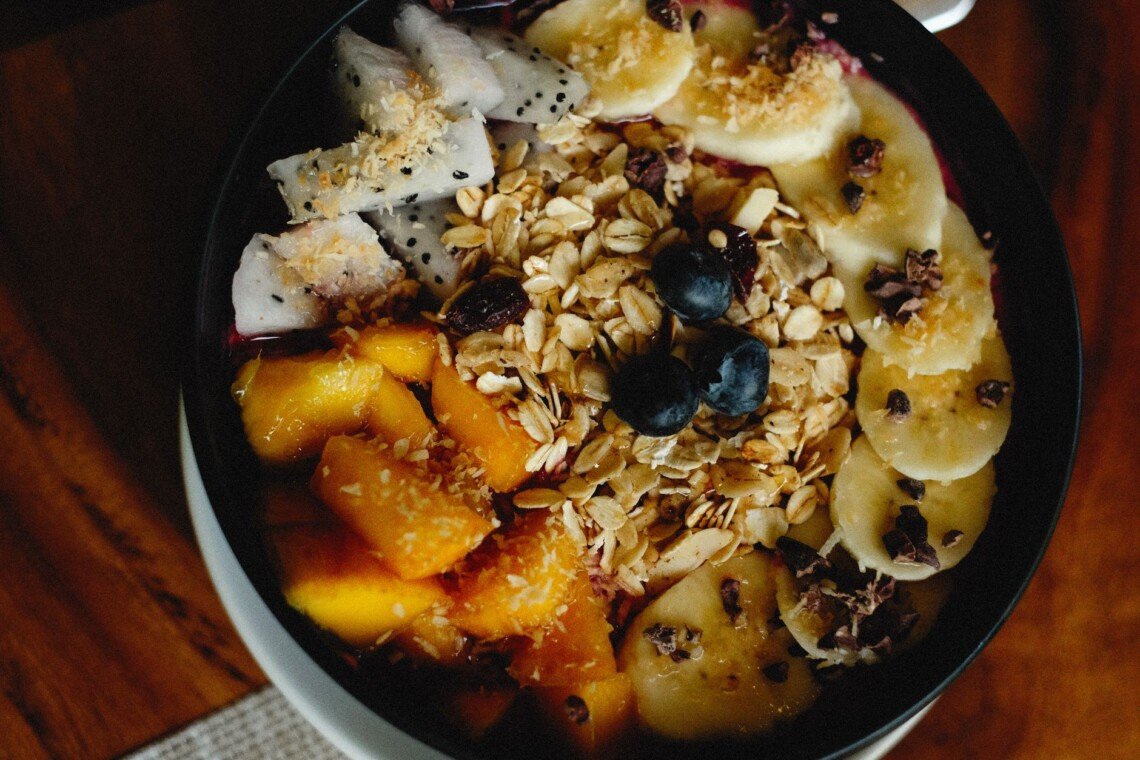
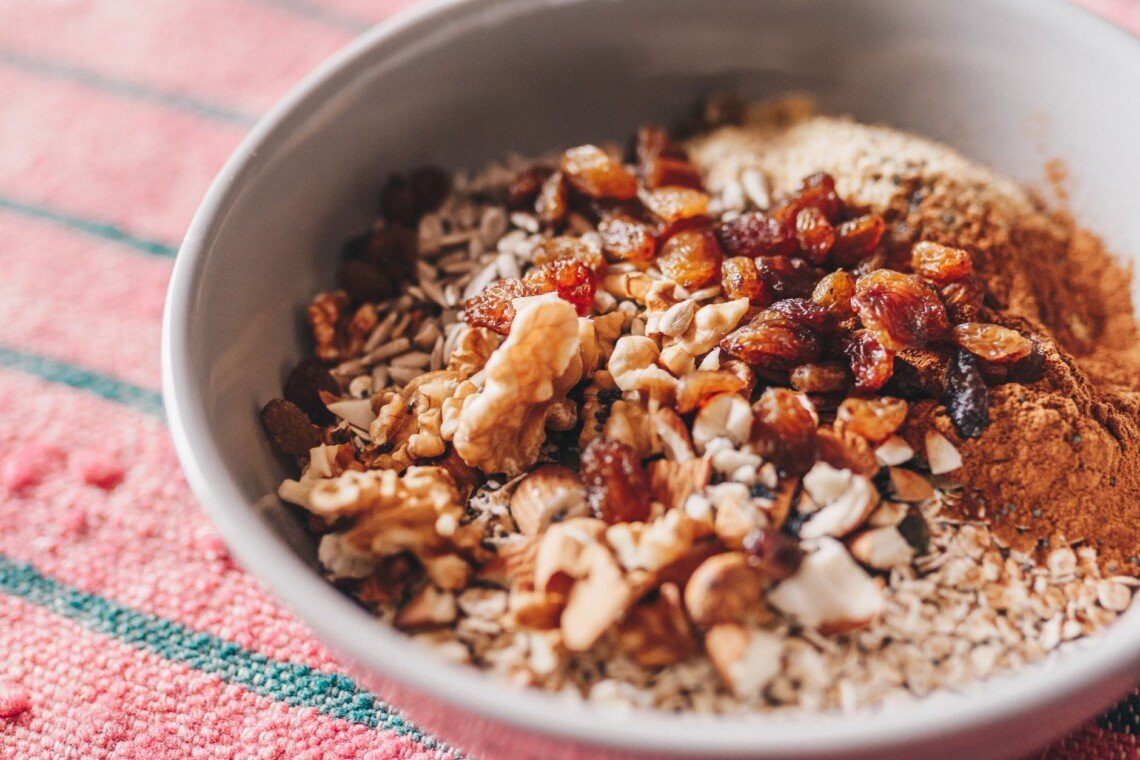
Amazing Superfoods for Senior Citizens in India to Prevent Chronic Diseases Age brings wisdom, but it also brings health challenges that many seniors in India face daily. Chronic diseases like diabetes, heart problems, and arthritis affect millions of older adults, often leading to reduced quality of life and increased healthcare costs. The good news is that simple dietary changes can make a significant difference in preventing these conditions. This article explores powerful superfoods specifically beneficial for Indian seniors, showing how traditional foods can become modern medicine. Readers will discover nutrient-rich options that are easily available, affordable, and gentle on aging bodies while offering protection against common age-related health issues. Understanding Chronic Diseases in Senior Indian Population The statistics surrounding chronic diseases among India’s elderly population are alarming. According to the World Health Organization, over 60 percent of deaths in India among those aged 70 and above are due to non-communicable diseases including cardiovascular conditions, diabetes, cancer, and chronic respiratory diseases. These conditions develop gradually and often go unnoticed until they reach advanced stages. The aging process naturally slows metabolism and reduces the body’s ability to absorb nutrients efficiently, making seniors more vulnerable to vitamin deficiencies and cellular damage. Several factors contribute to this epidemic among Indian seniors. Lifestyle changes over recent decades have altered traditional dietary patterns, with increased consumption of processed foods and reduced intake of fresh, locally-grown produce. Limited physical activity, stress from family responsibilities, and inadequate sleep patterns further compound the problem. Additionally, many seniors in rural areas face challenges accessing diverse nutritious foods due to economic constraints and changing agricultural practices. However, awareness is growing, and communities are beginning to recognize that prevention through proper nutrition is more effective than treatment after disease onset. Family support plays a crucial role in implementing dietary changes, as shared meals and home-cooked traditions remain strong cultural foundations. Key Chronic Conditions Affecting Indian Seniors Cardiovascular diseases represent the leading cause of death among Indian elderly populations, accounting for approximately 27 percent of all deaths. High blood pressure affects nearly 75 percent of adults above 60, significantly increasing stroke and heart attack risks. Diabetes prevalence rises sharply after age 45, with current estimates suggesting over 60 million Indians have diabetes, and this number continues to climb rapidly. Arthritis and joint problems affect more than 70 percent of individuals over 65, severely limiting mobility and independence. Osteoporosis, characterized by brittle bones, affects approximately 40 percent of postmenopausal women, creating fracture risks that can be life-threatening. Respiratory conditions like chronic obstructive pulmonary disease (COPD) also become increasingly common with age, particularly in areas experiencing environmental pollution. Top Superfoods Beneficial for Senior Health in India India’s rich culinary heritage provides numerous superfoods that offer exceptional health benefits for aging populations. These nutrient-dense options are readily available across different regions and can be easily incorporated into daily meals without significant lifestyle changes. Each superfood contains unique combinations of vitamins, minerals, antioxidants, and fiber that work synergistically to support overall health and prevent chronic disease development. One of the most versatile superfoods is turmeric, whose active compound curcumin demonstrates powerful anti-inflammatory and antioxidant properties. Regular consumption helps reduce joint pain, improve heart health, and boost immune function. Another exceptional option is almonds, which provide healthy fats, protein, vitamin E, and magnesium essential for brain health and cardiovascular protection. These nuts support cognitive function and may help prevent age-related memory decline. Sunflower seeds offer an excellent source of vitamin E, selenium, and healthy fats that protect cells from oxidative damage. They’re particularly beneficial for heart health and skin aging prevention. Flaxseeds, though not traditionally common in Indian cuisine, are increasingly recognized for their omega-3 fatty acid content, which supports heart health and reduces inflammation throughout the body. Superfood Key Nutrients Health Benefits Recommended Daily Amount Turmeric Curcumin, Vitamin C, Iron Anti-inflammatory, Brain health, Heart protection 1-2 teaspoons daily Almonds Vitamin E, Magnesium, Protein Cognitive support, Heart health, Bone strength 8-10 almonds daily Sunflower Seeds Vitamin E, Selenium, Magnesium Heart health, Antioxidant protection, Skin health 1-2 tablespoons daily Flaxseeds Omega-3, Fiber, Lignans Heart health, Digestive health, Hormone balance 1 tablespoon daily Regional Superfood Options Across India Each region in India offers unique superfoods that reflect local agricultural strengths and cultural traditions. In the northern regions, ghee (clarified butter) provides fat-soluble vitamins A, D, E, and K along with conjugated linoleic acid, which supports immune function and joint health. Southern states excel in coconut-based products, where coconut oil and coconut water offer medium-chain triglycerides that metabolize quickly for energy. Rice-based superfoods like red rice and quinoa provide complete proteins and essential amino acids often lacking in traditional diets. Eastern regions benefit from mustard oil, which contains allyl isothiocyanates with anti-cancer properties and omega-3 fatty acids. Western areas featuring millets such as ragi (finger millet) and jowar (sorghum) offer exceptional nutritional density with high fiber content and mineral bioavailability. How to Incorporate Superfoods Into Daily Diets Integrating superfoods into senior diets requires practical strategies that accommodate taste preferences, cooking abilities, and budget considerations. Morning routines provide excellent opportunities, such as adding ground flaxseeds to smoothies, oatmeal, or yogurt, or sprinkling turmeric on avocado toast or vegetable dishes. These additions require minimal preparation time while maximizing nutritional benefits. Lunch and dinner meals offer even greater flexibility for superfood integration. Cooking techniques like tempering (tadka) in Indian cuisine allow for easy addition of nutrient-dense spices and seeds to existing dishes. For example, adding a pinch of turmeric and a few almonds to dal or vegetable curries enhances both flavor and nutritional content without altering familiar meal patterns. Snacking strategies can significantly improve overall nutrient intake throughout the day. Keeping preprocessed superfood snacks like roasted sunflower seeds, mixed nuts, or prepared smoothie packs readily available encourages healthy choices between meals. Family involvement in meal preparation increases adoption rates and creates positive associations with nutritious eating habits. Simple Recipe Ideas for Seniors Preparing meals doesn’t need to become complicated when adding superfoods. A simple overnight oats recipe combines rolled oats, milk (or plant-based
-
 by swabhimaanadmin
- September 27, 2026
- Blog, Senior Citizen Care, Slider, Slider1











Latest Comments