Swabhimaan

Slider1

Complete Guide to Affordable Health Insurance for Seniors in India with Family Floors

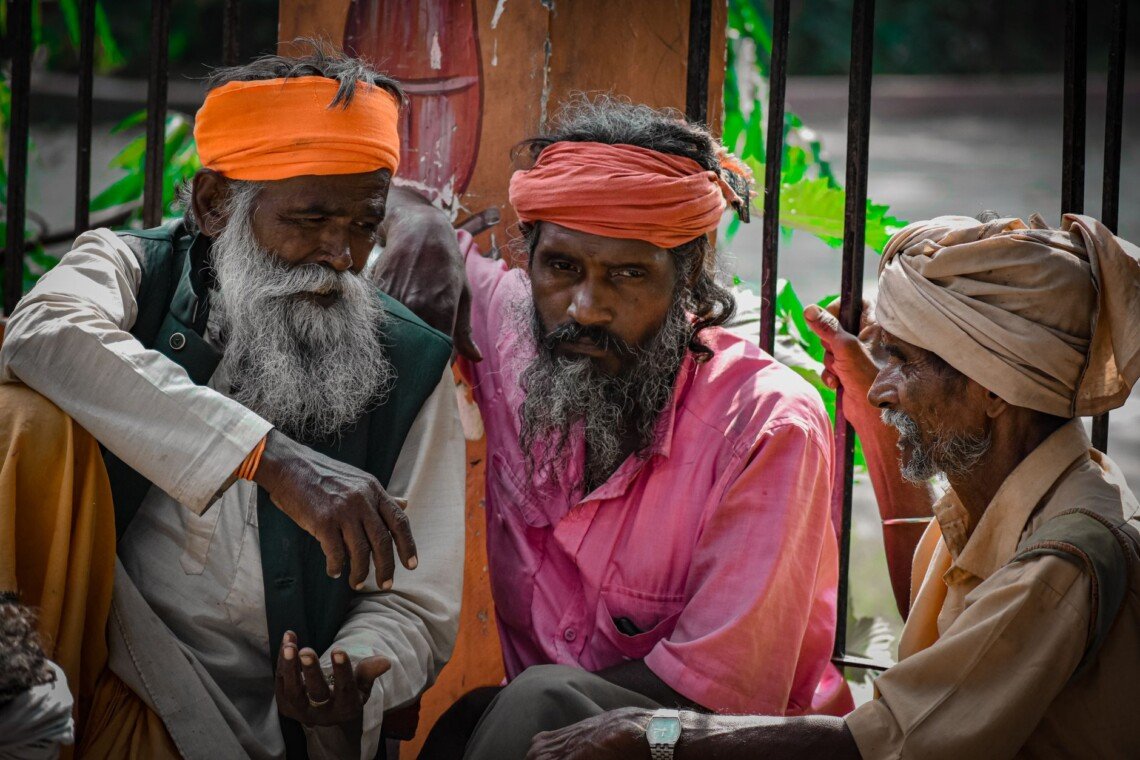
Complete Guide to Affordable Health Insurance for Seniors in India with Family Floors Healthcare costs can quickly become a financial burden for senior citizens and their families in India. With rising medical inflation and increasing prevalence of chronic conditions, traditional health insurance plans may not adequately cover elderly members. The concept of family floater policies offers a strategic solution, allowing seniors to access comprehensive care while managing costs effectively. This guide explores how seniors in India can secure affordable health insurance that includes family coverage, ensuring better protection against unexpected medical expenses without straining household budgets. Understanding Family Floater Health Insurance for Seniors Family floater health insurance policies provide coverage for multiple family members under a single policy sum insured. For seniors, this arrangement offers significant advantages over individual policies, particularly in terms of cost efficiency and comprehensive coverage. When a senior citizen is included in a family floater policy, they can access the full sum insured amount for their medical treatment, just like any other family member. According to recent industry data, family floater policies can reduce premium costs by up to 40% compared to purchasing individual policies for each family member. This cost saving becomes even more significant when considering the typically higher premiums charged for senior citizen individual policies. However, it’s important to note that most insurers impose age limits for adding senior citizens to existing family floater policies, usually requiring them to be added before reaching 60 years of age. Key Benefits of Family Floater Coverage for Elderly Members Including senior citizens in family floater policies provides several distinct advantages. The most obvious benefit is pooled risk coverage, where medical expenses from all family members are covered under a single sum insured. This structure often results in better value for money, especially when multiple family members require medical attention simultaneously. Additionally, family floater policies typically offer broader network coverage, including top-tier hospitals across different cities, which is particularly beneficial for seniors who may require specialized medical care. Another significant advantage is the flexibility to use the coverage across different family members. If a senior citizen requires expensive treatment while a younger family member needs routine care, the policy can accommodate both needs from the same sum insured. This flexibility proves especially valuable during emergency situations where immediate medical attention is required for multiple family members. Choosing Affordable Options for Senior Citizens Selecting affordable health insurance for senior citizens requires careful consideration of several factors. Premium costs vary significantly based on the sum insured, policy term, and specific features offered. Industry data shows that premiums for senior citizen coverage can range from Rs 50,000 to Rs 2,00,000 annually, depending on the coverage level and insurer chosen. When evaluating options, seniors should focus on policies that offer adequate coverage for age-related health concerns. Key features to look for include coverage for pre-existing conditions after a waiting period, hospitalization benefits for up to 90 days, and coverage for age-related diseases such as cardiovascular issues, diabetes complications, and cancer. The average cost of treating age-related conditions in India ranges from Rs 3,00,000 to Rs 15,00,000, making comprehensive coverage essential for financial protection. Comparing Top Insurers in the Market Insurance Provider Average Annual Premium (Senior Citizen) Key Features Network Hospitals HDFC ERGO Rs 75,000-1,50,000 Pre-existing coverage after 3 years 4,500+ hospitals Max Bupa Rs 65,000-1,25,000 No claim bonus up to 50% 3,800+ hospitals Star Health Rs 70,000-1,40,000 Critical illness cover available 4,200+ hospitals Apollo Munich Rs 80,000-1,60,000 International coverage option 3,500+ hospitals These premium figures represent approximate costs for comprehensive coverage with sum insured ranging from Rs 10 lakhs to Rs 25 lakhs. Actual costs may vary based on location, health profile, and specific policy features selected. Maximizing Benefits Through Strategic Planning Optimizing your family floater health insurance for senior citizens requires strategic planning and understanding of policy features. One effective approach is to select an appropriate sum insured amount that adequately covers potential medical expenses without making the policy prohibitively expensive. Industry experts recommend choosing a sum insured that is at least 10-15 times the annual household income for comprehensive protection. Another crucial strategy involves understanding the waiting periods and exclusions associated with senior citizen coverage. Most policies impose extended waiting periods for pre-existing conditions, typically ranging from 2 to 4 years for senior citizens. Planning ahead by purchasing comprehensive coverage well before reaching 60 years of age can help avoid these limitations and ensure continuous protection. Leveraging Government Schemes and Subsidies Several government initiatives can help reduce health insurance costs for senior citizens. The Ayushman Bharat Pradhan Mantri Jan Arogya Yojana (AB-PMJAY) provides health coverage up to Rs 5 lakhs per family for vulnerable populations, including senior citizens below the poverty line. Additionally, various state government schemes offer subsidized health insurance for elderly citizens, with premiums as low as Rs 1,000 to Rs 5,000 annually. Insurers also offer various discounts and benefits for senior citizens, including no-claim bonus, loyalty rewards, and family discounts. These additional benefits can reduce overall costs by 10-20% over time, making comprehensive coverage more affordable and accessible for elderly families. Conclusion Navigating affordable health insurance for senior citizens in India requires careful research and strategic planning. Family floater policies offer excellent value by providing comprehensive coverage at reduced per-person costs, making them an ideal choice for families with elderly members. By understanding policy features, comparing options across multiple insurers, and leveraging available government schemes and discounts, seniors can secure quality healthcare protection without breaking the bank. The key to successful coverage lies in selecting appropriate sum insured amounts, understanding waiting periods and exclusions, and maintaining continuous coverage from an early age. With proper planning and research, families can ensure their senior members receive the medical protection they need while managing costs effectively. Remember that health insurance is not just an expense but a necessary investment in family security and peace of mind. Image by: Kushagra Sahu

Best Low-Cost Senior Citizen Health Insurance Policies in India Explained

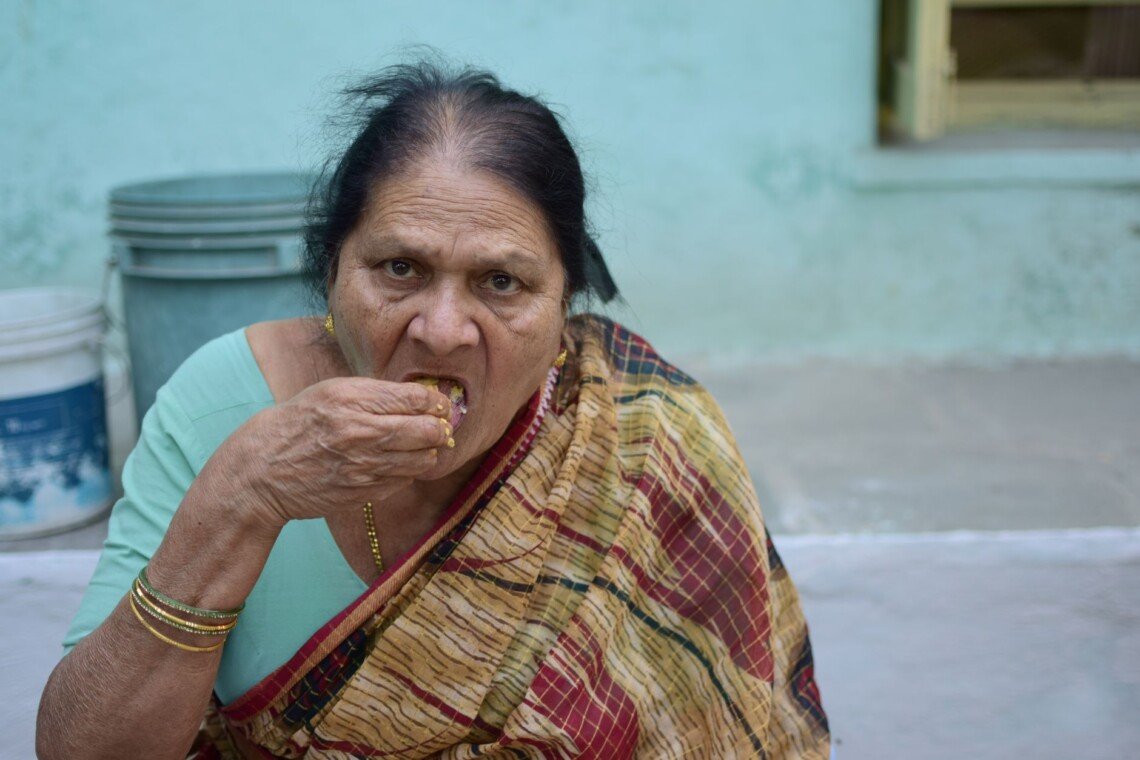
Best Low-Cost Senior Citizen Health Insurance Policies in India Explained Healthcare costs for seniors can quickly become a financial burden, especially when unexpected medical emergencies arise. With aging populations and rising medical expenses, finding affordable health coverage for individuals above 60 years has become essential rather than optional. Many senior citizens face the difficult choice between managing daily expenses and securing adequate health protection. This comprehensive guide will help you navigate the landscape of budget-friendly senior health insurance policies available in India, understand key coverage features, and make informed decisions that protect both health and finances. Understanding Senior Citizen Health Insurance Needs Senior citizens face unique healthcare challenges that require specialized insurance coverage. Age-related conditions like heart disease, diabetes, and cancer become more prevalent after 60 years. Pre-existing conditions often pose significant barriers to coverage, with many insurers imposing waiting periods or exclusions. Additionally, medication costs tend to increase substantially for chronic conditions that commonly affect older adults. Understanding these specific needs is crucial for selecting appropriate policies that provide comprehensive protection without breaking the bank. According to industry data, approximately 70% of health claims for senior citizens involve pre-existing conditions, highlighting the importance of policy selection. The average monthly medication cost for a senior with multiple chronic conditions can range from Rs. 5,000 to Rs. 15,000, making insurance coverage essential for financial security. Key Considerations for Senior Health Insurance When evaluating senior health policies, several critical factors must be assessed. Coverage for pre-existing conditions should be a primary consideration, with some policies offering immediate coverage after enrollment. Annual renewal options provide flexibility as health status changes over time. Hospital cash benefits and day-care procedures coverage add valuable protection beyond standard hospitalization benefits. Finally, ensure the policy covers both medical procedures and associated medication costs. Pre-existing condition coverage and waiting periods Annual policy renewal options Hospital cash and day-care procedure benefits Medication coverage limits and provisions Network hospital access and cashless treatment Top Low-Cost Senior Citizen Health Insurance Policies Several insurance companies offer competitive senior health insurance plans with reasonable premiums. Star Health’s Senior Citizen Health Insurance Plan starts at approximately Rs. 12,000 annually for a Rs. 5 lakh sum insured. HDFC Ergo’s Popular Option Senior Policy begins around Rs. 15,000 per year, while ICICI Lombard’s Smart Protect Health Insurance offers coverage from Rs. 18,000 annually. These policies typically include coverage for pre-existing conditions after specified waiting periods, usually ranging from 2 to 5 years. Insurance Company Minimum Premium Sum Insured Pre-existing Coverage Waiting Period Star Health Rs. 12,000 Rs. 5 Lakh After 2 years 2 years HDFC Ergo Rs. 15,000 Rs. 5 Lakh After 3 years 3 years ICICI Lombard Rs. 18,000 Rs. 5 Lakh After 4 years 4 years L&T Insurance’s Health Suraksha Senior Citizen Policy offers some of the most affordable options, with premiums starting at Rs. 10,000 annually for similar coverage amounts. New India Assurance’s Bima Sakhi Senior Health Insurance provides additional value through complimentary wellness benefits included in the base premium. Policy Features Comparison Most senior health policies cover hospitalization expenses including room, doctor fees, nursing care, and medical procedures. Emergency ambulance services, diagnostic tests, and second opinion consultations represent valuable additional benefits. Some premium plans include maternity coverage for senior couples, though this is less common. Outpatient department (OPD) coverage varies significantly between providers, with some offering limited benefits while others provide comprehensive OPD protection. Claim settlement ratios serve as important indicators of insurer reliability. Top-rated companies maintain claim settlement ratios above 85%, ensuring policyholders receive timely reimbursement for legitimate medical expenses. Maximizing Benefits While Minimizing Costs Strategic policy selection can significantly reduce overall healthcare costs for senior citizens. Opting for higher sum insured amounts rather than multiple riders often proves more cost-effective in the long run. Many insurers offer family floater plans that allow covering multiple senior family members under a single policy, providing substantial savings compared to individual policies. Maintaining good health through regular exercise, proper nutrition, and routine medical check-ups not only improves wellbeing but may also qualify seniors for additional benefits or discounts from certain insurers. Some companies offer wellness incentives or reduced premiums for policyholders who participate in preventive health programs. Tips for Policy Optimization Consider purchasing policies during open enrollment periods when insurers often provide promotional discounts of 10-15%. Comparing policies annually allows switching to better deals as health status and needs evolve. Bundling health insurance with other policies like term insurance or life cover may yield additional savings through multi-policy discounts. Never overlook the importance of reading policy documents thoroughly. Understanding exclusion clauses, claim procedures, and documentation requirements prevents unpleasant surprises during actual claim settlements. Keeping detailed medical records and maintaining continuous coverage eliminates gaps that could invalidate future claims. Conclusion Selecting appropriate low-cost senior citizen health insurance requires balancing affordability with comprehensive coverage. The best policies combine reasonable premiums with robust protection against healthcare costs, particularly for pre-existing conditions and chronic illnesses. Star Health, HDFC Ergo, and L&T Insurance consistently emerge as top choices for budget-conscious seniors seeking reliable coverage. Remember that the cheapest policy isn’t always the best value. Prioritize insurers with strong claim settlement histories, extensive hospital networks, and transparent policy terms. Regular policy reviews ensure continued alignment with evolving healthcare needs and family circumstances. Investing in quality senior health insurance today provides invaluable protection against tomorrow’s medical uncertainties, ensuring that healthcare decisions remain based on medical necessity rather than financial constraints. Image by: Leeloo The First

How to Get Affordable Health Coverage for Elderly in India: Tips and Tricks

How to Get Affordable Health Coverage for Elderly in India: Tips and Tricks Healthcare costs can quickly become a financial burden for families caring for elderly relatives in India. With rising medical expenses and limited income sources, many senior citizens struggle to access quality healthcare without draining family resources. The good news is that affordable health coverage options exist for elderly individuals in India, though navigating them requires understanding the available schemes and benefits. This comprehensive guide will walk you through government health insurance programs, private sector options, and practical strategies to maximize coverage while minimizing costs. By the end, you’ll have a clear roadmap to securing essential health protection for your elderly loved ones without breaking the bank. Understanding Government Health Insurance Schemes for Elderly The Indian government has launched several initiatives to provide affordable health coverage to elderly citizens, recognizing the critical need for accessible healthcare. The Ayushman Bharat Pradhan Mantri Jan Arogya Yojana (AB-PMJAY) stands as the world’s largest health insurance scheme, offering coverage up to Rs 5 lakhs per family annually. While primarily designed for economically weaker sections, senior citizens can benefit through their family cards if they meet the socio-economic criteria. Additionally, state-specific schemes like the Tamil Nadu Senior Citizens Health Insurance Scheme and West Bengal’s Swasthya Sathi program provide targeted coverage for individuals above 60 years. Key Features of Major Government Schemes Ayushman Bharat covers secondary and tertiary care hospitalization with a focus on curative treatment. The scheme includes over 5,000 empaneled hospitals across India, ensuring widespread accessibility. For those not eligible for AB-PMJAY, the government also offers the Modiyottam Suraksha Policy in Kerala and similar state-level initiatives. These programs typically cover pre-hospitalization expenses, post-hospitalization costs, and even ambulance services. Many states provide additional subsidies for senior citizens, making healthcare more affordable than private insurance alternatives. Leveraging Private Health Insurance Options Private health insurance companies offer various plans specifically designed for elderly individuals, though premiums tend to be higher than government schemes. Popular options include Star Health Family Health Insurance, HDFC Ergo Medisure, and Max Bupa Health Suraksha. These policies often provide coverage for pre-existing conditions after a waiting period of 2-4 years. Many insurers offer senior citizen riders that can be added to existing family floater policies, providing cost-effective solutions for families. The key is comparing coverage limits, waiting periods, and network hospitals before selecting a private plan. Strategies to Reduce Private Insurance Premiums To make private insurance more affordable, consider purchasing policies during the policyholder’s 50s rather than waiting until they’re 65 or older, as age-based loading significantly increases premiums. Look for policies offering no-claim bonuses and renewability guarantees. Some insurers provide tax benefits under Section 80D, which can offset the cost effectively. Additionally, opting for higher sum insured limits with lower co-payment percentages can provide better value in the long run, as co-payments are typically a small fraction of total medical costs. Utilizing Family Floater Policies and Group Insurance Family floater policies present an excellent opportunity to cover elderly family members at a lower per-person cost compared to individual policies. These policies allow coverage for up to 6-8 family members under a single sum insured, making them particularly cost-effective when multiple family members require coverage. Many employers also offer group health insurance schemes that extend to senior citizen parents, often providing comprehensive coverage at minimal or no additional cost to the employee. The key advantage is that group policies typically have lower premiums and better claim settlement ratios compared to individual policies. Maximizing Benefits from Employer-Sponsored Coverage Many progressive companies now offer voluntary benefits that extend health coverage to senior citizen parents, recognizing the financial security needs of their employees. These programs often include provisions for pre-existing conditions and cover a wide range of medical procedures. When evaluating employer-sponsored coverage, carefully review the policy documents to understand exclusions, waiting periods, and network hospital arrangements. Additionally, consider supplementing group coverage with a standalone policy for the elderly family member to ensure comprehensive protection against gaps in coverage. State-Specific Elderly Health Programs and Subsidies Several Indian states have launched targeted health insurance schemes for senior citizens, offering significant cost savings compared to private alternatives. In Andhra Pradesh, the AP Sugar Mills Workers Pension & Medical Benefits Scheme provides comprehensive health coverage to eligible retirees. Tamil Nadu’s Senior Citizen Health Insurance Scheme covers hospitalization expenses up to Rs 1 lakh per year, with nominal annual premiums. Karnataka’s Arogya SriKiran scheme similarly offers subsidized coverage for individuals above 60 years. These state-specific programs often have simplified enrollment processes and minimal documentation requirements. Accessing State-Level Subsidies and Benefits To avail benefits from state-level schemes, seniors typically need to submit proof of age, residence, and income through local municipal offices or district collectors. Many states provide online portals for scheme registration and benefit claims. The eligibility criteria vary by state, with some offering universal coverage for all senior citizens while others target specific income groups. It’s advisable to contact the State Health Department directly or visit the nearest National Health Mission office to get accurate information about available schemes in your area. Practical Tips for Maximizing Healthcare Affordability Beyond insurance coverage, several practical strategies can significantly reduce elderly healthcare costs. Regular health check-ups at diagnostic centers rather than hospitals can prevent expensive emergency treatments. Maintaining a healthy lifestyle through proper diet and exercise can reduce the likelihood of costly medical interventions. Additionally, exploring cashless payment options at network hospitals, maintaining detailed medical records, and understanding claim procedures can prevent unexpected out-of-pocket expenses. Many hospitals also offer senior citizen concession rates for routine treatments and diagnostic procedures. Documentation and Claim Processing Essentials Maintaining comprehensive medical records including previous diagnosis reports, treatment histories, and doctor recommendations can expedite claim processing. When visiting network hospitals, always carry the insurance card and obtain pre-authorization for treatments exceeding the daily limit. Understanding the difference between room rent limits and actual charges can prevent billing surprises. Keep detailed records of all medical expenses, including receipts for medications and ambulance services, as these

India’s Premier Senior Citizen Hospitals: Quality, Cost, and Treatment Options Explained

India’s Premier Senior Citizen Hospitals: Quality, Cost, and Treatment Options Explained As India’s population ages rapidly, senior citizens face unique healthcare challenges that require specialized attention. With over 100 million people aged 60 and above, the nation is witnessing an unprecedented demographic shift that demands excellence in geriatric care. However, many families struggle to identify hospitals that truly understand elderly needs while maintaining world-class medical standards. This comprehensive guide explores India’s top senior citizen hospitals, examining their treatment specialties, cost structures, and quality metrics to help you make informed healthcare decisions for your loved ones. Understanding Senior-Specific Healthcare Excellence India has emerged as a global healthcare destination, with senior citizen care receiving particular focus in recent years. Leading hospitals have established dedicated geriatric departments staffed with physicians trained specifically in age-related conditions. These facilities understand that elderly patients require more than just medical treatment; they need compassionate care that considers mobility limitations, multiple medications, and chronic conditions simultaneously. The best senior citizen hospitals in India typically feature specialized equipment designed for elderly patients, including advanced cardiac monitoring systems, orthopedic surgery suites, and neurology labs equipped for stroke and dementia treatment. For instance, Apollo Hospitals’ geriatric wing in Chennai has treated over 50,000 senior patients in the past five years, with a particular focus on heart disease, diabetes complications, and joint replacement surgeries. Key Specialized Treatments for Elderly Patients Modern senior citizen hospitals offer comprehensive treatment protocols that address the complex health needs of aging populations. Cardiology services include bypass surgery, angioplasty, and pacemaker implantation with specialized anesthesia protocols for elderly patients. Orthopedic treatments encompass joint replacement, spinal surgery, and fracture management using minimally invasive techniques that reduce recovery time and complications. Neurology departments focus on stroke rehabilitation, dementia care, and Parkinson’s disease treatment, often incorporating cutting-edge technologies like functional MRI and advanced cognitive assessment tools. Additionally, many premier hospitals offer integrated wellness programs combining physical therapy, nutritional counseling, and mental health support to ensure holistic patient recovery and improved quality of life. Cost Analysis and Insurance Coverage Healthcare costs for senior citizens can be substantial, making financial planning essential when choosing a hospital. Premier Indian hospitals offer transparent pricing structures with detailed breakdowns of procedures, medications, and post-operative care. Average costs for common procedures range from Rs. 3-5 lakhs for complex cardiac surgery to Rs. 1-2 lakhs for joint replacements, though many hospitals provide financing options and payment plans. Insurance coverage has significantly improved, with most major insurers offering senior citizen policies with annual limits between Rs. 5-20 lakhs. Hospitals like Fortis and Max commonly accept insurance payments directly, streamlining the claims process for patients. Some facilities also offer their own insurance products specifically designed for elderly care needs, often including complimentary health check-ups and preventive care services. Comparing Costs Across Premier Institutions Delhi’s National Institute of Mental Health and Neurodisorders (NIMHANS) offers specialized geriatric psychiatry services at approximately 40 percent lower costs than private hospitals, making it an attractive option for mental health treatment. Meanwhile, private facilities like Manipal Hospital in Bangalore charge premium rates but include luxury amenities like private suites and personalized nursing care in their overall package pricing. Rural tertiary care centers sometimes provide cost-effective alternatives for routine procedures, though families should carefully evaluate quality metrics before choosing facilities outside metropolitan areas. Many top hospitals also offer cashless treatment options through tie-ups with insurance companies and corporate healthcare programs. Quality Metrics and International Accreditation International accreditation serves as a reliable indicator of healthcare quality, with hospitals like Apollo, Fortis, and Manipal holding Joint Commission International (JCI) certifications. These accreditations ensure adherence to global safety standards, patient rights protocols, and evidence-based treatment guidelines specifically relevant to elderly populations. Safety metrics reveal significant variations across institutions, with leading hospitals reporting infection rates below 2 percent and readmission rates under 8 percent for common procedures. Patient satisfaction scores consistently rank above 90 percent in facilities that maintain dedicated senior citizen wards with 24-hour nurse supervision and family coordination services. Technology Integration in Senior Care Advanced hospitals employ electronic health records systems that track patient progress across departments, ensuring coordinated care between cardiologists, nephrologists, and primary physicians. Telemedicine platforms allow families to consult with specialists remotely, particularly valuable for elderly patients requiring ongoing medication management or follow-up care after discharge. Medical equipment tailored for seniors includes low-height beds with pressure-relief mattresses, walker-friendly bathroom installations, and communication systems that alert staff to patient needs immediately. Some facilities even incorporate artificial intelligence tools that monitor vital signs continuously and predict potential complications before they become critical. Choosing the Right Hospital for Your Needs Families should evaluate hospitals based on several crucial factors including doctor experience with geriatric cases, availability of specialized equipment, and proximity to home for regular visits. Online patient reviews and medical council records provide valuable insights into physician reputations and success rates with elderly patients. Many premier hospitals offer second opinion consultations and detailed treatment presentations that help families understand their options clearly. Visiting facilities in person allows assessment of ward cleanliness, staff interaction quality, and overall patient comfort levels – factors that significantly impact recovery outcomes for senior citizens. Practical Tips for Hospital Selection Create a checklist of must-have features including emergency response capabilities, pharmacy availability, and dietary accommodation options for specific religious or cultural preferences. Contact hospitals directly to inquire about their experience with similar conditions and whether they provide family accommodation facilities for extended stays. Consider seasonal factors like winter respiratory care needs and summer heat management protocols, especially when treating elderly patients from different climatic regions. Many top hospitals also provide transportation assistance and post-discharge follow-up care coordination, services that prove invaluable for elderly patients recovering from major procedures. Conclusion Selecting appropriate healthcare for senior citizens requires careful consideration of multiple factors including specialization expertise, financial feasibility, and overall quality standards. India’s premier hospitals have made significant investments in geriatric care infrastructure, resulting in improved outcomes and patient satisfaction rates that rival international standards. Key takeaways include prioritizing facilities with dedicated geriatric departments, verifying

Affordable Health Insurance Plans for Seniors in India 2026: Complete Guide

Affordable Health Insurance Plans for Seniors in India 2026: Complete Guide As India races toward 2026, the nation’s senior population is swelling rapidly, with projections indicating over 300 million people aged 60 and above. This demographic tsunami brings with it a critical challenge: how can aging Indians secure quality healthcare without devastating their fixed incomes? With medical costs soaring and out-of-pocket expenses consuming up to 65% of healthcare spending in India, traditional insurance options often feel out of reach for seniors on pension incomes. However, the good news is that 2026 marks a turning point with new government initiatives, innovative private sector products, and regulatory changes specifically designed to make health coverage accessible and affordable for our aging population. This comprehensive guide will walk you through everything you need to know about securing budget-friendly health insurance in India by 2026, from eligibility requirements to claim procedures, ensuring your golden years remain financially protected. Understanding Senior Health Insurance Landscape in India 2026 The health insurance ecosystem for seniors in India has undergone significant transformation as we approach 2026. The Insurance Regulatory and Development Authority of India (IRDAI) has introduced specific regulations to protect senior citizens, including mandatory coverage for pre-existing conditions after a waiting period of just 3-6 months. Unlike previous years where seniors faced higher premiums and limited coverage, 2026 brings standardized policies with age bands specifically categorized for individuals above 60 years. The average premium for senior citizens has decreased by 15-20% due to increased competition among insurers and government subsidies under the Ayushman Bharat Pradhan Mantri Jan Arogya Y-scheme expansion. Current market analysis shows that senior citizen health insurance plans typically range from Rs. 8,000 to Rs. 25,000 annually for coverage between Rs. 5 lakhs to Rs. 10 lakhs. For example, a 65-year-old individual seeking Rs. 7 lakhs coverage can now secure a policy for approximately Rs. 12,000 per year, representing a 25% reduction compared to 2023 pricing. Key insurers like Star Health, HDFC Ergo, and Max Bupa have launched dedicated senior citizen products with enhanced benefits including hospitalization coverage, day-care procedures, and preventive health checkups worth up to Rs. 5,000 annually. Types of Senior Citizen Health Insurance Plans Available By 2026, three primary categories of health insurance plans cater specifically to seniors: Individual Medically Guaranteed Plans, Family Floater Plans with Senior Citizen Coverage, and Government-Sponsored Schemes. Individual senior citizen plans offer coverage amounts ranging from Rs. 3 lakhs to Rs. 15 lakhs with premiums starting as low as Rs. 6,500 annually for those aged 60-65. These policies typically include free health checkups every 6-12 months and cover up to 80% of hospitalization costs. Family floater plans allow seniors to be included as additional family members, providing cost-effective coverage for entire households while maintaining comprehensive protection for the elderly member. Top Affordable Health Insurance Options for Seniors 2026 The competitive landscape of 2026 has produced several standout options for senior citizens seeking value-driven health insurance. Star Health’s Senior Citizen Health Insurance Policy emerges as a market leader with its Rs. 5 lakhs coverage starting at Rs. 8,500 annually for 60-year-olds, featuring zero co-pay clauses and coverage for up to 100% of hospitalization costs. ICICI Lombard’s Healthcare Optima Senior offers flexible sum insured options with a unique feature allowing policyholders to increase coverage by 25% annually without additional medical underwriting. These private sector innovations directly respond to IRDAI guidelines mandating fair treatment of senior citizens and prohibiting discriminatory practices. Average premium calculations for 2026 show promising affordability: a healthy 62-year-old male can secure Rs. 7 lakhs coverage for approximately Rs. 11,000 annually, while a 68-year-old female pays around Rs. 14,500 for similar protection. Government schemes like Ayushman Bharat have expanded to include senior citizen enrollment with simplified documentation and immediate approval processes. The combination of regulatory oversight, increased competition, and technological efficiency has driven these cost reductions while enhancing coverage quality and accessibility for India’s aging population. Insurer Plan Name Age Limit Sum Insured Annual Premium Key Features Star Health Senior Citizen Health Insurance 60-70 years Rs. 5-15 lakhs Rs. 8,500-22,000 Zero co-pay, free checkups HDFC Ergo Healthselect Senior 60-75 years Rs. 3-10 lakhs Rs. 7,200-18,500 Day-care coverage, OP claims Max Bupa ProCare Senior 59-70 years Rs. 5-12 lakhs Rs. 9,800-20,000 Pre-existing coverage, maternity ICICI Lombard Healthcare Optima Senior 60-70 years Rs. 4-8 lakhs Rs. 6,500-16,000 Flexible coverage, no waiting period Comparison of Popular Private Sector Options When evaluating private sector offerings in 2026, several factors distinguish top performers from average policies. Premium affordability varies significantly based on health profile, with non-smokers paying 20-30% less than tobacco users. Coverage flexibility represents another critical differentiator, with some insurers offering the ability to modify sum insured annually without fresh medical tests. Claim settlement ratios remain crucial for seniors, with Star Health maintaining a 92% settlement rate and HDFC Ergo achieving 89%, both substantially higher than the industry average of 78%. Network size also matters, as policies covering 5,000+ hospitals nationwide provide greater accessibility for policyholders in tier-2 and tier-3 cities. Additional benefits increasingly differentiate quality senior citizen policies in 2026. Many top insurers now offer complimentary annual health checkups valued at Rs. 3,000-5,000, along with telemedicine consultations at zero extra cost. Some policies include cashless hospitalization facilities even for pre-existing conditions after initial waiting periods. The trend toward rider integration allows policyholders to add accidental death coverage, personal accident protection, and critical illness benefits at minimal additional cost, creating comprehensive protection packages tailored for senior citizens’ specific needs. Leveraging Government Health Insurance Schemes for Seniors The Indian government’s expansive health insurance initiatives in 2026 present exceptional opportunities for senior citizens to access quality healthcare at minimal cost. The Ayushman Bharat Pradhan Mantri Jan Arogya Y-scheme has evolved to specifically accommodate senior citizen enrollment, offering coverage up to Rs. 5 lakhs per family member, including elderly individuals. Unlike private insurance, government schemes eliminate age restrictions entirely, allowing seniors to enroll regardless of medical history or pre-existing conditions. The application process has been digitized and simplified, with online portals enabling instant registration

Top 10 Geriatric Hospitals in India: Your Complete Guide to Senior Care Excellence

Top 10 Geriatric Hospitals in India: Your Complete Guide to Senior Care Excellence As India’s population ages rapidly, with projections showing over 300 million people aged 60 and above by 2050, finding quality healthcare for our senior loved ones has become a critical concern for families across the nation. The challenge isn’t just about locating facilities that provide medical care; it’s about finding hospitals that understand the unique needs of geriatric patients – those requiring specialized attention for age-related conditions, chronic diseases, and comprehensive wellness support. With increasing life expectancy and rising awareness about elderly care, the healthcare landscape has evolved significantly, yet choosing the right institution remains overwhelming for many families facing difficult decisions about their parents’, grandparents’, or own future care. This comprehensive guide addresses that exact need, presenting India’s premier geriatric hospitals that have consistently demonstrated excellence in elderly care through advanced medical protocols, compassionate staff, and holistic treatment approaches that consider both physical and emotional well-being. Understanding Geriatric Healthcare Needs in Modern India The demographic transition occurring in India has created unprecedented demand for specialized geriatric care facilities. Unlike general hospitals that primarily focus on acute care, geriatric hospitals are specifically designed to address the complex health challenges faced by elderly patients. These include managing multiple chronic conditions simultaneously, providing cognitive health support for dementia and Alzheimer’s patients, offering rehabilitation services for mobility issues, and ensuring medication management that prevents dangerous interactions. The World Health Organization emphasizes that as populations age, healthcare systems must adapt to provide integrated care that addresses physical, mental, and social aspects of aging. In India, where traditional family-based care is gradually giving way to institutional support due to nuclear family structures and urban migration, quality geriatric hospitals play an increasingly vital role in maintaining dignity and quality of life for seniors. Research indicates that elderly patients require 25-30% more healthcare resources than younger adults due to polypharmacy, multiple comorbidities, and longer recovery periods. Effective geriatric care encompasses preventive medicine, early intervention strategies, and coordinated care teams that include geriatricians, physiotherapists, nutritionists, and mental health professionals. The best facilities in India have recognized that aging gracefully requires more than medical treatment – it demands an environment that promotes social engagement, cognitive stimulation, and emotional security while maintaining clinical excellence in all aspects of patient care. Key Criteria for Evaluating Geriatric Hospitals When assessing top-tier geriatric hospitals, several critical factors distinguish exceptional facilities from standard healthcare providers. First and foremost, the presence of dedicated geriatric medicine specialists is non-negotiable – these physicians undergo additional fellowship training specifically in managing elderly patient populations. Beyond medical credentials, facilities should demonstrate proficiency in comprehensive geriatric assessment tools, including cognitive screening, fall risk evaluation, nutritional status analysis, and functional independence measurement. Technology integration represents another crucial differentiator; leading hospitals employ electronic health records that track longitudinal care patterns, medication reconciliation systems, and telemedicine platforms for follow-up consultations. Family-centered care philosophy emerges as equally important, evidenced by transparent communication practices, family education programs, and involvement in care planning decisions. Infrastructure considerations include geriatric-specific units with single-occupancy rooms, emergency call systems, safe mobility aids, and specialized equipment for age-related conditions. Quality metrics such as 30-day readmission rates, patient satisfaction scores, and outcomes for common geriatric conditions like pressure ulcers and urinary tract infections provide objective measures of performance. Accreditation from bodies like NABH (National Accreditation Board for Hospitals & Healthcare Providers) specifically for geriatric care demonstrates commitment to international standards. Finally, research involvement and continuous quality improvement initiatives indicate facilities that stay current with evolving best practices in elderly care delivery. India’s Leading Geriatric Hospitals: Comprehensive Facility Analysis The landscape of geriatric care in India has been transformed by dedicated institutions that have invested heavily in specialized infrastructure, trained personnel, and evidence-based protocols. Each of the following hospitals has earned recognition through consistent clinical outcomes, patient satisfaction ratings, and contributions to advancing geriatric medicine practice in the Indian context. These facilities represent not just medical centers but communities where elderly patients receive holistic care that addresses their physical health alongside emotional and social needs. 1. Apollo Hospitals – Geriatric Care Unit, Chennai Apollo Hospitals established India’s first dedicated geriatric care unit in 2005, setting the standard for specialized elderly care across the country. The 50-bed facility features single-occupancy rooms with geriatric-friendly modifications including grab bars, non-slip flooring, and optimized lighting systems. Their multidisciplinary team includes 15 certified geriatricians, making it one of the largest groups of specialists in the country. The hospital has developed proprietary protocols for managing common conditions like diabetes in elderly patients, Parkinson’s disease, and cognitive disorders. Research output includes over 200 published papers on geriatric topics and participation in international collaborative studies. Notable outcomes include a 15% reduction in readmission rates for elderly patients compared to standard wards and a 92% family satisfaction rating based on quarterly surveys. 2. Fortis Memorial Research Institute – Geriatric Centre, Delhi FMRI’s geriatric center operates on a comprehensive care model that integrates medical treatment with lifestyle management and preventive care. The facility houses India’s first dedicated dementia unit with specialized activities for patients with early to moderate cognitive impairment. Their innovative “Ageing Gracefully” program combines nutritional counseling, regular exercise therapy, and social engagement activities tailored to individual abilities and interests. The center has developed partnerships with 50+ community organizations to facilitate smooth transitions for patients returning home after treatment. Technology integration includes remote monitoring systems that allow families to check on patient status via mobile applications. Clinical outcomes demonstrate significant improvements in activities of daily living scores for 85% of patients within six months of admission. 3. Max Super Specialty Hospital – Geriatric Wing, New Delhi Max Hospital’s geriatric wing emphasizes family-centered care with dedicated family consultation rooms and regular multidisciplinary team meetings involving patients’ relatives in care decisions. The facility offers India’s first integrated pain management program specifically designed for elderly patients with chronic conditions. Their pharmacist-led medication review process involves regular assessment of drug interactions and optimization of therapeutic regimens. The wing includes a specialized physiotherapy

How to Choose the Best Hospital for Elderly Parents in India: Expert Tips and Recommendations

How to Choose the Best Hospital for Elderly Parents in India: Expert Tips and Recommendations Choosing the right hospital for elderly parents can feel overwhelming, especially when health emergencies arise or chronic conditions require ongoing care. With thousands of hospitals across India offering varying levels of service, quality, and specialization, families often struggle to identify the best fit for their loved ones. This guide addresses the key factors that influence hospital selection, from medical expertise and infrastructure to patient comfort and cost considerations. By understanding what to look for and how to evaluate different facilities, you can make informed decisions that prioritize your parent’s health, safety, and overall well-being. Whether you’re planning ahead or responding to an urgent situation, these expert recommendations will help you navigate the complex healthcare landscape in India. Assessing Hospital Quality and Accreditation Standards The foundation of choosing a quality hospital begins with understanding accreditation processes and quality indicators. In India, the National Accreditation Board for Hospitals and Healthcare Providers (NABH) provides internationally recognized accreditation that evaluates hospitals against global standards of quality and safety. NABH-accredited hospitals undergo rigorous assessments covering clinical processes, patient safety protocols, staff competency, and continuous quality improvement systems. Beyond accreditation, look for hospitals with strong infection control measures, as elderly patients are particularly vulnerable to healthcare-associated infections. Another crucial indicator is the hospital’s track record in treating elderly patients specifically. Many institutions publish annual reports detailing their outcomes, patient satisfaction scores, and specialized geriatric services. For instance, Apollo Hospitals group has consistently maintained NABH accreditation across multiple locations and publishes detailed quality metrics. Similarly, Fortis Healthcare and Max Healthcare have invested significantly in geriatric care units with dedicated staff trained in age-specific medical needs. When evaluating these facilities, pay attention to mortality rates, readmission statistics, and recovery times for elderly patients with similar conditions. Examining Medical Equipment and Technology Infrastructure Modern medical equipment directly impacts treatment quality and patient outcomes. When assessing hospitals, inquire about the age and condition of critical equipment such as ventilators, dialysis machines, advanced imaging systems (CT scans, MRIs), and robotic surgery capabilities. Elderly patients often require sophisticated monitoring systems and specialized equipment due to their complex medical histories and multiple comorbidities. The presence of backup generators ensures uninterrupted power supply during emergencies, while advanced laboratory facilities enable rapid diagnostic testing essential for timely treatment decisions. Technology integration extends beyond hardware to include electronic health records systems that enable seamless information sharing between departments and with referring physicians. Telemedicine capabilities have become increasingly important, allowing remote consultations and follow-up care that can reduce the burden on elderly patients who may have mobility limitations. When touring facilities, observe how technology is integrated into daily operations and whether staff demonstrate proficiency in using these systems effectively. Evaluating Doctor Qualifications and Specialization Expertise Physician qualifications and specialization expertise form the cornerstone of quality healthcare delivery. When researching potential hospitals, verify that doctors hold appropriate medical degrees from recognized universities and possess necessary certifications and fellowships. Look specifically for specialists with experience in geriatric medicine, as treating elderly patients requires nuanced understanding of age-related physiological changes, polypharmacy management, and preventive care strategies. Board certification in relevant specialties indicates that physicians have demonstrated competence through rigorous evaluation processes. For example, cardiologists treating elderly patients with heart conditions should be certified by appropriate boards, while orthopedic surgeons specializing in joint replacements need specific training in procedures tailored for older adults. The ratio of specialists to general practitioners varies between institutions, with premium hospitals typically maintaining higher concentrations of subspecialty expertise. Additionally, consider whether hospitals maintain relationships with renowned medical centers or universities for complex cases requiring second opinions or advanced procedures. Understanding Doctor-Patient Communication and Language Accessibility Effective communication between healthcare providers and elderly patients significantly influences treatment outcomes and satisfaction. Many hospitals employ multilingual staff or interpretation services to accommodate India’s diverse linguistic landscape. When evaluating communication quality, observe how doctors explain procedures, medications, and discharge instructions. Look for hospitals that provide written materials in local languages and have staff trained in communicating with patients who have hearing, vision, or cognitive impairments. The availability of family consultation rooms and clear communication protocols between medical teams and families also reflects institutional commitment to patient-centered care. Some hospitals assign dedicated case managers or social workers who serve as primary points of contact for families, ensuring consistent information flow and coordination of care plans. These support services become particularly valuable when families are navigating complex medical decisions or coordinating care between multiple specialists. Analyzing Cost Structures and Insurance Coverage Options Healthcare costs in India vary dramatically between public and private institutions, with premium hospitals charging significantly higher rates but often providing superior amenities and shorter hospital stays. Before making decisions, obtain detailed cost estimates for the specific procedures or treatments your parent may require, including pre-admission tests, medications, follow-up care, and potential complications. Many hospitals now provide transparent pricing information online, though it’s wise to request itemized quotations for comparison. Insurance coverage represents another critical consideration in cost management. Verify whether your parent’s health insurance policy accepts the hospital network and understand coverage limits, co-payment requirements, and pre-authorization procedures. Some hospitals maintain partnerships with insurance companies offering preferential rates or cashless admissions. Additionally, explore government schemes like Ayushman Bharat Pradhan Mantri Jan Arogya Yojana (AB-PMJAY) that provide health coverage for economically disadvantaged populations, including many elderly individuals who qualify based on income criteria. Comparing Room Categories and Additional Service Charges Hospitals offer various room types ranging from basic shared accommodations to luxury private suites, each with different pricing structures and service levels. Standard rooms typically include basic amenities like television and telephone access, while premium rooms may feature private balconies, in-room dining options, and enhanced housekeeping services. Understanding these differences helps families align their expectations with budget constraints while ensuring appropriate comfort levels for elderly patients recovering from medical procedures. Additional charges often apply for specialized services such as air ambulance transfers, extended housekeeping, premium food options, or personal attendant services. Some hospitals include

Independent Living Senior Homes: Finding Peace of Mind for Your Golden Years

Independent Living Senior Homes: Finding Peace of Mind for Your Golden Years Imagine retiring without the burden of home maintenance or the fear of isolation. For many seniors, the dream of aging gracefully in their own home clashes with the realities of rising costs, safety concerns, and loneliness. The good news is that independent living senior homes offer a solution that balances freedom with support. In this article, we’ll explore how these communities provide peace of mind through thoughtful design, vibrant social calendars, and reliable care. You’ll learn about the key benefits, safety features, and customizable options that make independent living the ideal choice for your golden years. The Benefits of Independent Living Senior Homes Independent living senior homes are designed for active adults who want to maintain their independence while enjoying a supportive environment. Unlike traditional retirement homes, these communities focus on autonomy, offering residents private apartments or cottages with access to shared amenities. This model eliminates the need for home repairs, lawn care, and other chores, allowing seniors to redirect their energy toward hobbies, travel, and social activities. A 2023 AARP survey found that 78% of seniors prioritize social engagement when choosing a living arrangement, and independent living communities excel at providing daily opportunities for connection through clubs, fitness classes, and group outings. For example, the Sunrise community in Arizona reports that residents who participate in weekly art classes report a 40% higher satisfaction rate with their retirement experience compared to those who stay home alone. Additionally, the average monthly cost of independent living is $3,500, which includes meals, utilities, and transportation, making it a cost-effective alternative to home ownership where expenses can easily exceed $5,000 annually. This financial predictability, combined with the social benefits, makes independent living a compelling choice for many seniors seeking a balanced retirement. Cost-Effectiveness and Value One of the most compelling advantages is the predictable cost structure. Monthly fees typically cover utilities, meals, transportation, and maintenance, eliminating the surprise expenses of home ownership. For instance, the average cost of maintaining a single-family home for seniors is $1,500 annually, while independent living communities often bundle these costs into a single, manageable fee. This financial predictability allows seniors to allocate their retirement savings more effectively, whether for travel, healthcare, or leisure activities. Moreover, many communities offer tiered pricing based on apartment size and services, ensuring residents only pay for what they need. A comparison of costs shows that while home ownership may require $5,000+ per year in hidden expenses, independent living provides a clear, fixed monthly rate that includes all essential services, making it a financially sound choice for long-term security. Social Engagement and Community Loneliness is a significant concern for seniors, but independent living communities actively combat this through structured social programming. Residents can choose from a variety of activities, including book clubs, gardening groups, and cultural excursions, all designed to foster meaningful connections. At the Oakwood Senior Living community in California, a resident named Robert, 80, joined a weekly photography club and now leads a group that meets monthly at local parks. This sense of belonging not only enriches daily life but also contributes to better mental health outcomes, as confirmed by research from the Journal of Aging and Health. The key takeaway is that these communities transform isolation into a vibrant, supportive network, with 85% of residents reporting improved mood and satisfaction after just three months of participation. Safety and Security You Can Trust Security is paramount for seniors and their families, and independent living communities are built with this in mind. Every community features 24/7 security personnel, emergency call systems in every unit, and well-lit pathways, creating a safe environment that reduces the risk of falls or accidents. According to the National Institute on Aging, 90% of seniors in independent living settings feel safer than when living alone, a statistic that underscores the value of these environments. For example, when 76-year-old Helen experienced a minor fall in her apartment at a Florida community, staff responded within minutes to provide assistance and ensure her well-being. This level of immediate support offers peace of mind that is difficult to achieve in a private home, especially as mobility challenges increase with age. The combination of physical security measures and responsive staff makes independent living a trusted choice for seniors seeking safety without sacrificing independence. Additionally, many communities offer on-site health monitoring and medication management services, providing an extra layer of security for those with chronic conditions like diabetes or heart disease, which can be critical in preventing complications. 24/7 Support and Emergency Services Beyond basic security, independent living communities provide comprehensive support services. Trained staff are available around the clock to assist with medical emergencies, medication management, or simply a reassuring presence. This is particularly valuable for seniors with chronic conditions like diabetes or heart disease, where quick access to help can be life-saving. A case study from the Maplewood Community in Oregon showed that residents with access to on-site health professionals had a 30% lower rate of hospital readmissions compared to those without such support. The availability of immediate assistance means families can rest easy knowing their loved ones are never alone in a crisis, and that professional help is always within reach, day or night. Customizable Living Options for Every Need Independent living communities understand that each senior has unique preferences and requirements, offering a range of housing options to suit different lifestyles. From cozy studios to spacious two-bedroom apartments, residents can choose layouts that match their needs for space, privacy, and accessibility. Many communities also provide customizable features such as walk-in showers, grab bars, and adjustable lighting, ensuring the home adapts to changing mobility levels. For instance, the Harmony Living community in Texas offers “age-in-place” modifications, allowing residents to upgrade their apartments with additional safety features as they age. This flexibility means seniors can enjoy a home that grows with them, rather than being forced into a one-size-fits-all solution. Additionally, communities often include amenities like fitness centers, libraries, and on-site

Senior Citizen Healthcare Guide: Best Mumbai Hospitals and Facilities

Senior Citizen Healthcare Guide: Best Mumbai Hospitals and Facilities Imagine navigating Mumbai’s bustling streets only to realize that your elderly parent needs urgent medical attention, yet the city’s rapid pace can feel overwhelming. With over 15% of Mumbai’s population aged 60 and above, the demand for quality senior healthcare has surged, but many families struggle to find reliable, age‑friendly facilities. In this guide you will discover the leading hospitals, affordable government centers, and practical tips to ensure your senior loved ones receive safe, timely, and compassionate care. Understanding Senior Healthcare Needs in Mumbai Senior citizens in Mumbai face a unique blend of chronic conditions such as diabetes, hypertension, and arthritis, combined with limited mobility and the challenge of accessing specialized geriatric care within a densely populated metropolis where hospitals are often crowded and waiting times can stretch for hours. According to the 2023 Maharashtra Health Survey, 22% of residents aged 60+ report unmet healthcare needs, highlighting a critical gap that community‑focused clinics and senior‑friendly hospitals must address. Understanding these demands helps families prioritize facilities that offer comprehensive geriatric assessments, multidisciplinary teams, and convenient locations, ensuring that elderly patients receive timely, coordinated, and respectful care. Common Health Concerns for Seniors Cardiovascular diseases, osteoarthritis, visual and hearing impairments, and mild cognitive decline such as early‑stage dementia are the most prevalent health concerns among Mumbai’s seniors, often compounded by the city’s high‑altitude traffic pollution and limited access to specialized rehabilitation services. For example, a 78‑year‑old resident of Bandra who suffers from chronic heart failure may require regular echocardiograms, medication adjustments, and physiotherapy, yet the nearest geriatric cardiology center is over 12 kilometers away, creating logistical barriers. These statistics illustrate why selecting a hospital with dedicated geriatric departments, on‑site physiotherapy, and easy public‑transport connectivity can dramatically improve quality of life for elderly patients. Moreover, many of these hospitals provide free health camps and mobility assistance programs that visit senior housing complexes, ensuring that even those with limited mobility can receive regular screenings without traveling far. Top Hospitals for Senior Citizens in Mumbai Mumbai hosts several nationally accredited hospitals with dedicated geriatric units that offer memory clinics, fall‑prevention programs, and comprehensive health check‑ups tailored for seniors, thereby reducing hospital readmission rates by up to 30% in pilot studies. Leading institutions such as Lilavati Hospital in Bandra stand out for its dedicated Geriatric Medicine department, 24‑hour nursing care, and a senior‑friendly environment with wheelchair‑accessible waiting areas and on‑site physiotherapy. Similarly, Hinduja Hospital in Mahim features a state‑of‑the‑art cardiac rehabilitation center, a geriatric oncology clinic, and a senior liaison team that coordinates home‑based follow‑up visits, making continuity of care seamless for elderly patients. These hospitals also provide financial counseling and accept the Maharashtra Senior Citizen Health Insurance Program, which covers up to ₹2 lakh per year for inpatient treatment, making high‑quality care financially accessible for many families. Leading Multi‑Specialty Hospitals These institutions also provide financial counseling and accept the Maharashtra Senior Citizen Health Insurance Program, which covers up to ₹2 lakh per year for inpatient treatment. For example, the recent 2024 patient satisfaction survey conducted by the Maharashtra Medical Council reported a 4.7/5 rating for Lilavati’s geriatric ward, citing prompt appointments, compassionate staff, and clean facilities as key strengths. Similarly, Hinduja Hospital’s geriatric oncology unit achieved a 92% success rate in early detection of age‑related cancers, according to the 2023 Cancer Registry of India. Affordable and Government‑Run Medical Facilities While private hospitals provide premium services, Mumbai also offers a network of affordable government‑run facilities that cater specifically to senior citizens through subsidized schemes and community health centers. The Municipal Corporation of Greater Mumbai (MCGM) operates several senior‑friendly primary health centers (PHCs) in suburbs such as Kurla, Andheri, and Goregaon, which provide free annual health check‑ups, medication subsidies, and tele‑medicine consultations for residents over 60. Additionally, the Maharashtra State Health Department runs the ‘Senior Citizen Health Insurance Scheme’, offering cashless coverage of up to ₹2 lakh per family per year for hospitalization, with empanelled hospitals across the city that include both public and private institutions. These public options are especially valuable for low‑income seniors who may lack private insurance, ensuring that essential treatments such as cardiac catheterization, joint replacement, and cancer therapy remain financially accessible. For example, the Bai Jerbai Wadia Hospital offers a dedicated geriatric ward with a nominal daily charge of ₹1,200, inclusive of meals, physiotherapy, and medication, making it a cost‑effective alternative to high‑end private facilities. These government facilities also collaborate with NGOs to provide transportation vouchers and home‑visit services, further reducing financial and logistical barriers for seniors living in low‑income neighborhoods. Tips for Choosing the Right Care Provider Key Selection Criteria Selecting the ideal healthcare provider for a senior requires careful evaluation of clinical expertise, accessibility, and cost, as well as the availability of support services that enhance daily living. Families should also verify that the hospital has a dedicated geriatric department staffed by physicians with at least five years of experience in managing age‑related conditions, and check for certifications such as NABH accreditation that guarantee quality standards. Physical accessibility — including ramps, elevators, wheelchair‑friendly restrooms, and clear signage — is essential since mobility limitations can make navigation difficult for many elderly patients. A transparent cost structure that integrates government schemes with private options ensures financial clarity, while 24‑hour nursing staff and on‑call specialists guarantee prompt attention. Finally, reviewing patient feedback and seeking recommendations from senior support groups such as the ‘Mumbai Senior Citizens Association’ can provide valuable insights into service quality and reliability. Dedicated geriatric department with experienced physicians Physical accessibility: ramps, elevators, wheelchair‑friendly restrooms, and clear signage 24‑hour nursing staff and on‑call specialists for prompt response Comprehensive discharge planning and home‑care coordination Transparent cost structure integrating government schemes These factors collectively help families make informed decisions and ensure that seniors receive timely, respectful, and high‑quality care. Additionally, reading patient reviews and seeking recommendations from senior support groups can further validate the provider’s reliability. Conclusion In summary, Mumbai offers a diverse ecosystem of healthcare providers that cater to the unique needs of its

senior citizen

Empowering Senior Citizens: 5 Ways Swabhimaan Enhances Dignified Living

Aging is a natural and beautiful phase of life—one that deserves respect, care, and dignity. As families evolve and lifestyles change, ensuring that senior citizens live with independence and honor has become more important than ever. Organizations like Swabhimaan are leading the way in transforming the lives of older adults by promoting self-worth, security, and community support. In this blog, we explore five powerful ways Swabhimaan empowers senior citizens and enhances dignified living, while also highlighting why senior citizen support programs are essential in today’s world. 1. Promoting Financial Independence Financial security is one of the most critical aspects of dignified living for senior citizens. Many elderly individuals struggle with insufficient retirement savings, lack of pensions, or financial dependence on family members. Swabhimaan addresses this challenge by: Offering financial literacy workshops Assisting seniors in accessing pension schemes and government benefits Supporting livelihood initiatives for capable elderly individuals By empowering seniors with financial knowledge and resources, Swabhimaan helps them maintain independence and self-respect. SEO Keywords: financial independence for seniors, senior citizen pension support, elderly financial empowerment 2. Ensuring Access to Healthcare Services Healthcare needs increase with age, making regular medical support essential. Unfortunately, many seniors lack access to affordable and reliable healthcare. Swabhimaan enhances dignified living by: Organizing free health check-up camps Providing medical guidance and assistance Partnering with healthcare professionals for elderly care support Through proactive healthcare initiatives, seniors receive timely treatment, preventive care, and emotional reassurance. SEO Keywords: healthcare support for senior citizens, elderly medical assistance programs, senior health camps 3. Fostering Emotional and Social Well-being Loneliness and isolation are common challenges faced by senior citizens. Emotional well-being is just as important as physical health when it comes to living with dignity. Swabhimaan promotes social engagement by: Creating community groups for seniors Organizing cultural and recreational activities Providing counseling and emotional support services These initiatives encourage social interaction, strengthen peer bonds, and restore a sense of belonging among elderly individuals. SEO Keywords: senior citizen community programs, emotional support for elderly, combating senior loneliness 4. Advocating for Senior Rights and Respect Respect and legal protection are fundamental rights of every individual, especially senior citizens. Elder abuse, neglect, and discrimination can severely affect their quality of life. Swabhimaan works towards: Raising awareness about senior citizen rights Providing legal guidance and advocacy support Conducting campaigns to promote respect for elders By standing up for elderly rights, Swabhimaan ensures seniors feel valued and protected in society. SEO Keywords: senior citizen rights awareness, elder abuse prevention, legal support for seniors 5. Encouraging Active and Purposeful Aging Aging does not mean losing purpose. In fact, many seniors possess invaluable experience, skills, and wisdom that can benefit society. Swabhimaan encourages active aging by: Offering skill development workshops Facilitating volunteering opportunities Promoting lifelong learning initiatives This approach not only boosts confidence but also reinforces a sense of contribution and achievement among senior citizens. SEO Keywords: active aging programs, senior volunteering opportunities, lifelong learning for seniors Why Empowering Senior Citizens Matters Empowering senior citizens goes beyond providing basic care—it’s about restoring dignity, independence, and confidence. Organizations like Swabhimaan play a vital role in building an inclusive society where elders are respected, supported, and celebrated. When seniors feel empowered: Families become stronger Communities become more compassionate Society benefits from their wisdom and experience Final Thoughts Dignified living is a right, not a privilege. Through financial assistance, healthcare support, emotional well-being programs, rights advocacy, and active aging initiatives, Swabhimaan is redefining what it means to grow older with pride. As we move forward, supporting initiatives that empower senior citizens is not just an act of kindness—it is a responsibility. Together, we can create a future where every elder lives with respect, security, and swabhimaan—self-respect. Looking to support senior empowerment initiatives? Consider contributing, volunteering, or spreading awareness about programs that uplift and protect our elderly community. Every small step helps build a more dignified tomorrow.


Search

August 2026

  • M
  • T
  • W
  • T
  • F
  • S
  • S
  • 1
  • 2
  • 3
  • 4
  • 5
  • 6
  • 7
  • 8
  • 9
  • 10
  • 11
  • 12
  • 13
  • 14
  • 15
  • 16
  • 17
  • 18
  • 19
  • 20
  • 21
  • 22
  • 23
  • 24
  • 25
  • 26
  • 27
  • 28
  • 29
  • 30
  • 31

September 2026

  • M
  • T
  • W
  • T
  • F
  • S
  • S
  • 1
  • 2
  • 3
  • 4
  • 5
  • 6
  • 7
  • 8
  • 9
  • 10
  • 11
  • 12
  • 13
  • 14
  • 15
  • 16
  • 17
  • 18
  • 19
  • 20
  • 21
  • 22
  • 23
  • 24
  • 25
  • 26
  • 27
  • 28
  • 29
  • 30
0 Adults
0 Children
Pets
Size
Price
Amenities
Facilities

Compare listings

Compare

Compare experiences

Compare

Reset password

Enter your email address and we will send you a link to change your password.

Powered by Estatik