From Retired to Connected: Fighting Loneliness in Indian Society
Retirement represents a significant life transition for millions of Indians, yet for many elderly individuals, this new chapter brings an unwelcome companion: loneliness. According to the National Family Health Survey, over 40% of elderly adults in urban India live alone or infrequently see their families, with social isolation reaching epidemic proportions. This growing crisis extends beyond individual suffering, creating ripple effects across families and communities. In this comprehensive guide, we will explore the multifaceted nature of loneliness among retired Indians, examine innovative solutions being implemented across the country, and provide practical strategies for reconnecting with purposeful engagement. Understanding how to bridge the gap between isolation and community connection is essential for enhancing quality of life during India’s golden years.
Understanding the Loneliness Epidemic Among Retirees
The phenomenon of elderly loneliness in India has reached alarming proportions, driven by rapid urbanization, nuclear family structures, and changing social dynamics. Traditional joint family systems that once provided built-in support networks are increasingly rare, particularly in metropolitan areas where young professionals migrate for career opportunities. Statistics from the Indian Institute of Aging reveal that 37% of elderly respondents in major cities report feeling lonely most days, compared to 21% in rural areas where extended families typically remain closer together.
Several interconnected factors contribute to this trend. Economic pressures force family members to prioritize work responsibilities over caregiving, while technological advancement creates new forms of isolation even as it offers potential solutions. The stigma surrounding mental health prevents many seniors from seeking help, viewing loneliness as an inevitable part of aging rather than a treatable condition requiring intervention.
Case studies from Mumbai’s elderly population demonstrate the severity of this issue. Mrs. Sharma, a 68-year-old retired school teacher, moved to a senior living facility after spending three years watching TV alone in her apartment following her children’s relocation to Singapore for work. Her experience reflects thousands of similar stories across India’s urban landscape, where physical proximity to family does not guarantee emotional connection.
Contributing Factors to Senior Isolation
Modern family structures have fundamentally shifted since independence, with nuclear families becoming the norm rather than exception. This change, while offering greater autonomy for young couples, often leaves elderly parents geographically separated from their extended support networks.
Work pressures intensify during retirement transitions, as adult children struggle to balance demanding careers with caregiving responsibilities. The expectation that children will provide financial security creates additional stress when families cannot meet these obligations.
Technological adoption rates among seniors remain significantly lower than younger generations, creating communication barriers that exacerbate feelings of disconnect from rapidly evolving social circles.
Community-Based Solutions Transforming Lives
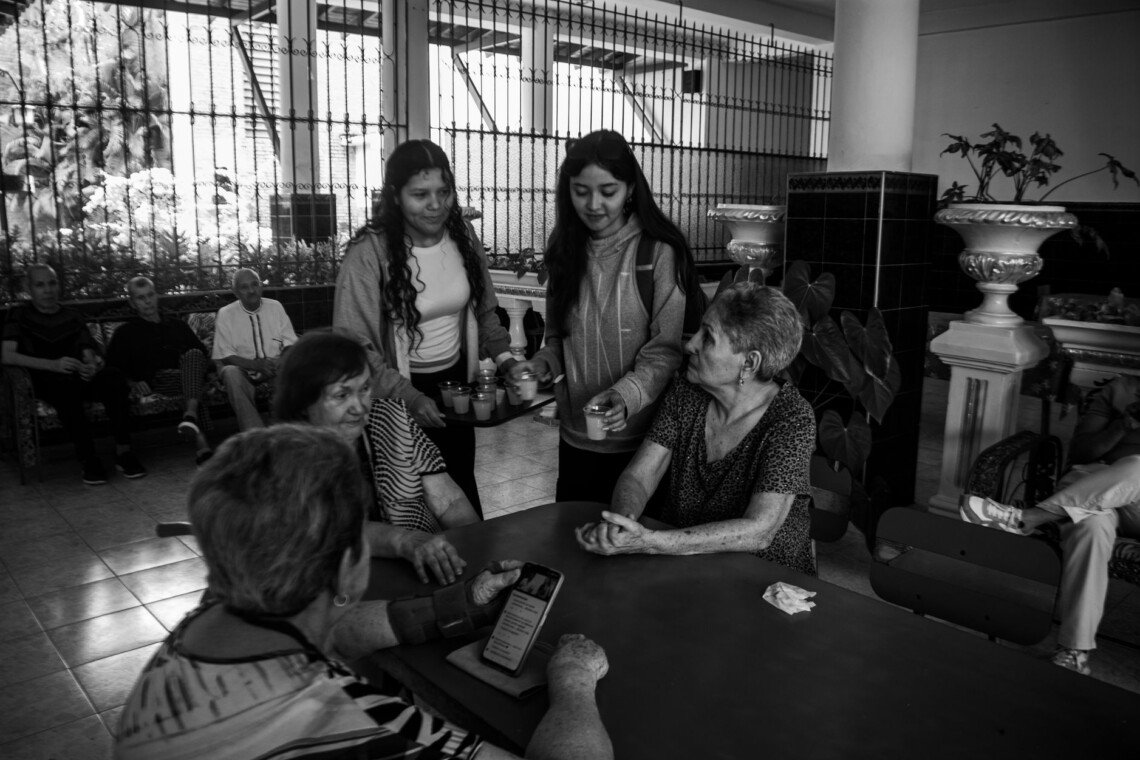
Across India, innovative community initiatives are demonstrating how structured social engagement can effectively combat elderly loneliness. The Age of Happiness Foundation’s “Silver Circles” program operates in over 50 cities, creating regular meetups where seniors engage in meaningful conversations, cultural activities, and skill-sharing sessions.
In Delhi, the “Dost Ka Dost” initiative pairs elderly volunteers with younger mentors, fostering intergenerational relationships that benefit both parties. These programs report 78% improvement in participants’ mental health scores within six months of regular participation.
Rural communities have developed unique approaches leveraging traditional values. The “Gaon Connection” project in Rajasthan organizes weekly village gatherings where elders share folk tales, participate in traditional music sessions, and mentor younger generations in local crafts.
Technology Bridge Programs
The “Digital Grandparents” initiative trains seniors to use smartphones and tablets for maintaining family connections, attending virtual events, and accessing online communities. Trained volunteers conduct monthly workshops covering essential digital literacy skills.
Video calling platforms specifically designed for seniors feature simplified interfaces and one-touch calling capabilities. These tools enable regular communication with distant family members without overwhelming technical complexity.
Online interest groups connect elderly individuals with shared hobbies, from gardening to poetry collection, creating virtual communities that complement offline interactions.
Psychological Strategies for Building Resilience
Mental health professionals emphasize that combating loneliness requires addressing both external circumstances and internal coping mechanisms. Cognitive Behavioral Therapy techniques help seniors reframe negative thought patterns associated with isolation, while mindfulness practices reduce anxiety related to social disconnection.
Volunteer work emerges as particularly effective intervention, providing structure, purpose, and social interaction simultaneously. The “Sathi Samiti” program in Pune matches retired professionals with NGOs needing expertise, allowing former engineers to mentor youth in technical skills or ex-teachers to tutor children in educational programs.
Physical activity integrates seamlessly with social engagement strategies. Group yoga sessions, walking clubs, and dance classes create natural opportunities for relationship building while promoting physical health – a crucial factor in overall well-being.
| Intervention Type |
Success Rate |
Average Duration |
Cost Range (INR) |
| Community Centers |
82% |
6-12 months |
500-2000/month |
| Technology Training |
75% |
3-6 months |
1000-3000 one-time |
| Volunteer Programs |
88% |
12+ months |
Free-500/month |
| Professional Counseling |
70% |
6-18 months |
2000-5000/session |
Building Emotional Resilience
Gratitude journaling helps seniors focus on positive aspects of daily life, shifting attention away from isolation toward appreciation of available resources and relationships.
Acceptance-based approaches acknowledge that some life changes cannot be controlled while emphasizing personal agency in creating fulfilling experiences within available circumstances.
Spiritual practices, whether religious or secular, provide comfort and connection to something larger than individual existence, reducing existential isolation commonly experienced during retirement.
Policy Implications and Future Directions
Government recognition of elderly loneliness as public health issue remains limited, though recent initiatives show promising direction. The Ministry of Social Justice’s “Deendayal Antyodaya Yojana” includes provisions for senior citizen welfare centers in urban areas, though implementation varies significantly across states.
Healthcare systems increasingly incorporate geriatric mental health screening, with primary care physicians trained to identify signs of social isolation during routine visits. Telemedicine platforms offer accessible counseling services for seniors unable to travel to specialized facilities.
Employer-sponsored elder care benefits expand beyond traditional pension schemes to include counseling services, respite care, and family support programs. Companies like Tata Group and Infosys pioneer comprehensive senior welfare policies that recognize employee obligations to aging parents.
Infrastructure Development Needs
Urban planning must prioritize age-friendly environments including accessible public transportation, walkable neighborhoods, and community spaces designed for intergenerational interaction.
Digital infrastructure requires expansion to ensure reliable internet connectivity and device accessibility for all socioeconomic groups, enabling participation in online support networks and service delivery.
Educational programs targeting adult children and caregivers can reduce stigma around mental health discussions while promoting proactive approaches to supporting elderly parents.
Conclusion
Fighting loneliness among retired Indians requires systemic change combined with individual resilience building. The statistics paint a concerning picture, but success stories from community programs demonstrate that meaningful connection remains achievable through deliberate effort and appropriate support structures.
Key takeaways include understanding that loneliness affects both emotional well-being and physical health, recognizing that community-based interventions often prove more sustainable than individual approaches, and acknowledging that technology can bridge gaps when implemented thoughtfully with proper training.
Moving forward, continued investment in senior-focused infrastructure, expanded access to mental health services, and normalization of conversations around aging challenges will determine whether India successfully addresses this growing public health concern. Every stakeholder – from government policymakers to family members – plays a vital role in ensuring that retirement represents freedom and fulfillment rather than isolation and despair.
Image by: FlPhotografia

 by








Latest Comments