Comfortable Pilgrimage Travel in India: Essential Planning Guide for Spiritual Seekers
India’s spiritual landscape stretches across millennia of sacred geography, where millions of seekers embark on transformative journeys to holy destinations. However, the thought of navigating bustling airports, unpredictable weather, and complex cultural customs can transform what should be a rejuvenating experience into a stressful ordeal. Many pilgrims face challenges ranging from inadequate accommodation to language barriers, often compromising their spiritual focus with logistical headaches. This comprehensive guide addresses these concerns by providing practical strategies for comfortable pilgrimage travel in India, ensuring that your sacred journey remains centered on personal growth and spiritual discovery rather than administrative complications.
Choosing the Right Pilgrimage Route and Timing
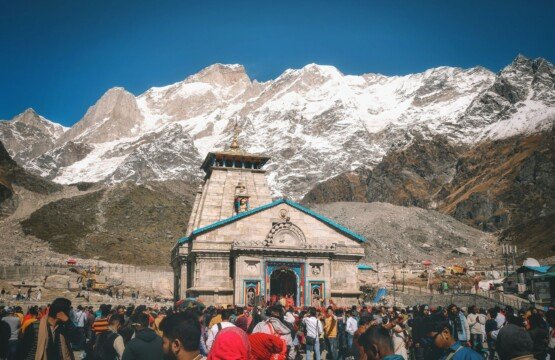
Select your spiritual destinations based on individual capacity and seasonal considerations. Popular circuits like the Char Dham Yatra in the Himalayas require different preparation than coastal pilgrimage sites such as Puri or Rameshwaram. Research the optimal travel window for each location – avoiding monsoon months in northeastern regions and extreme winter temperatures in high-altitude temples. The months of September through November and February through April typically offer ideal conditions with pleasant weather and manageable crowds.
Statistical data from India Tourism shows that pilgrimage travel peaks during festival seasons, with over 60% of visitors preferring October-December and January-March periods. Consider booking accommodations 3-4 months in advance during these high seasons to secure comfortable lodging options within walking distance of main shrines.
Understanding Regional Climate Patterns
Each pilgrimage zone has distinct climatic characteristics requiring specific preparation. The Himalayan regions experience temperature variations of 20-30 degrees Celsius between day and night, necessitating layered clothing systems. Coastal temples demand light cotton fabrics and rain protection, while desert areas like Ajmer require sun protection and hydration strategies. Download regional weather apps and check local forecasts weekly leading up to departure.
Seasonal Packing Strategies
Adapt your luggage contents to regional requirements rather than packing generic essentials. Pack moisture-wicking fabrics for tropical destinations, thermal underlayers for mountainous areas, and UV-protection clothing for arid regions. Include a lightweight rain jacket regardless of season – sudden weather changes are common across different elevation zones during pilgrimage journeys.
Accommodation and Transportation Solutions
Modern pilgrimage infrastructure offers diverse accommodation options beyond basic dharamshalas (pilgrim lodges). Government-run guest houses, heritage hotels near temple complexes, and private ashram accommodations provide comfortable alternatives with spiritual ambiance. Online platforms like MakeMyTrip and Goibibo list over 15,000 certified pilgrimage-friendly properties across major sacred sites, with user reviews specifically addressing cleanliness, proximity to temples, and vegetarian food availability.
For inter-city travel, consider booking AC trains or private taxis through reputable operators who understand pilgrimage schedules. Many drivers accommodate early morning departures for temple openings and provide assistance with local navigation. Budget allocation should include 40-50% of total travel expenses for transportation, as comfortable journeys prevent exhaustion during intensive spiritual activities.
| Destination Type |
Recommended Accommodation |
Transportation Option |
Avg. Daily Cost (INR) |
| Himalayan Temples |
Government Dharamshala |
Private Taxi |
2,500-4,000 |
| Coastal Pilgrimage Sites |
Heritage Hotel |
AC Train |
3,000-5,000 |
| Desert Temples |
Premium Guest House |
Flight + Taxi |
4,000-7,000 |
Booking Platforms and Verification Methods
Verify accommodation authenticity through multiple channels before finalizing reservations. Contact local temple authorities or regional tourist information centers to confirm property legitimacy. Many pilgrimage sites maintain official lists of approved accommodations with verified amenities including hot water, attached bathrooms, and 24-hour reception services. Cross-reference online reviews with recent traveler experiences from similar spiritual journeys.
Transportation Safety Protocols
Choose transportation providers with established safety records and pilgrimage experience. Private taxi services often provide better flexibility for early morning temple visits and luggage handling compared to public transport. Ensure drivers carry proper licensing and insurance documentation. Share travel details with family members and update them regularly during the journey for additional security assurance.
Dietary Management and Health Preparedness
Sustainable energy for spiritual practices requires careful attention to nutritional needs throughout extended pilgrimage travel. Most temple complexes offer simple vegetarian meals, but individual dietary restrictions may necessitate carrying supplemental nutrition or researching establishments with specific dietary accommodations. Maintain blood sugar stability with frequent small meals containing proteins, complex carbohydrates, and fresh fruits available at local markets.
Health preparedness includes carrying essential medications and understanding local medical facilities. Register with nearby hospitals or clinics before emergencies arise, particularly in remote temple areas. Pack anti-diarrheal medications, oral rehydration salts, and basic first aid supplies as standard precautions. Many pilgrimage sites have volunteer medical teams during peak seasons, but private healthcare options provide more comprehensive coverage.
Water Quality and Food Safety Guidelines
Institute strict beverage protocols to prevent gastrointestinal issues that disrupt spiritual activities. Consume only bottled water with intact seals, avoiding ice cubes and tap water sources. Choose cooked foods served hot, steering clear of street vendors during monsoon months when food spoilage risks increase significantly. Fresh fruit selection requires peeling personally or purchasing from reputable shops with visible hygiene standards.
Emergency Medical Resources
Download offline maps showing nearest hospitals, pharmacies, and emergency services before departure. Contact your insurance provider to verify international coverage details and identify approved medical facilities along planned routes. Some regional medical associations maintain English-speaking doctors familiar with treating foreign pilgrims, available through temple administrative offices.
Cultural Sensitivity and Spiritual Protocol
Respectful engagement with local communities enhances both spiritual experience and safety during pilgrimage travel. Dress modestly covering shoulders and knees, particularly in temple areas where photography restrictions may apply during worship sessions. Learn basic local greetings and temple etiquette rules before arrival, demonstrating genuine interest in regional traditions rather than tourist observation. Many shrine complexes provide multilingual pamphlets explaining appropriate behavior codes and seasonal ritual schedules.
Financial transactions benefit from understanding regional tipping customs and currency exchange practices. While tipping isn’t mandatory, small acknowledgments for exceptional service show appreciation for local hospitality. ATM availability varies significantly between urban pilgrimage centers and remote temple locations, requiring careful cash management strategies. Carry mix of denominations and store emergency funds separately from daily spending money.
Sacred Site Etiquette Guidelines
Observe specific protocols varying between different religious traditions and temple architectures. Remove footwear before entering inner sanctum areas, maintaining quiet voices and avoiding sudden movements near active worshipers. Photography permissions differ between shrines – some prohibit all images while others allow exterior shots but restrict interior documentation. When uncertain, observe local practices or ask resident priests or volunteers for guidance on appropriate conduct.
Language Communication Strategies
Install translation applications with offline capabilities for basic conversations in regional languages. Learn essential phrases related to directions, food preferences, and emergency requests before departure. Many pilgrimage sites employ multilingual volunteers or staff members who assist international visitors with practical questions and local recommendations. Don’t hesitate to use simple English when other communication methods fail – most hospitality professionals appreciate efforts to connect respectfully.
Conclusion
Comfortable pilgrimage travel in India requires strategic preparation balancing spiritual intentions with practical considerations. Success depends on thorough research of seasonal conditions, reliable accommodation booking, and proactive health management. Remember that flexibility remains crucial – unexpected delays or schedule changes often provide opportunities for deeper reflection and spontaneous spiritual encounters. By following these guidelines, pilgrims can focus energy on meaningful worship experiences while maintaining physical comfort and emotional peace throughout their sacred journey. The investment in proper planning yields immeasurable returns in terms of spiritual clarity and personal transformation.
Image by: Amy Chandra

 by






Latest Comments