Meditation Practices for Peaceful Aging: A Complete Guide for Indians Over 50
As we journey beyond 50, our bodies and minds undergo profound transformations. Many Indians in this life stage face unique challenges – from managing chronic health conditions to navigating retirement, from caring for aging parents to adapting to changing family dynamics. The stress of these transitions can take a heavy toll on mental peace and physical wellbeing. However, ancient wisdom offers a powerful solution: meditation. This comprehensive guide explores how meditation practices specifically tailored for Indians over 50 can bring tranquility, health benefits, and deeper meaning to your golden years. You will discover simple yet effective techniques rooted in our spiritual heritage, understand their scientific validation, and learn practical ways to integrate them into daily routines despite busy schedules or health limitations.
Understanding Meditation Benefits for Mature Adults
Research consistently demonstrates that regular meditation practice yields significant benefits for adults over 50. Studies show that mindfulness meditation can reduce cortisol levels by up to 30%, helping manage the stress hormones that often spike during life transitions common in this age group. For Indians specifically, meditation has been shown to improve blood pressure control, with systolic reductions averaging 5-10 mmHg in practitioners. The practice also enhances cognitive function, with research indicating improved memory retention and slower age-related cognitive decline among regular meditators.
Beyond physical health, meditation addresses emotional and social challenges prevalent among mature Indians. It helps manage anxiety associated with health concerns, financial planning for retirement, and family responsibilities. A study conducted at the All India Institute of Medical Sciences found that elderly participants practicing meditation for 12 weeks reported 40% higher satisfaction with life quality compared to control groups. The practice also strengthens emotional resilience, making it easier to cope with loss, illness, or major life changes.
Scientific Backing for Meditation in Senior Care
Modern neuroscience confirms what ancient texts have long taught – meditation physically changes the brain. Neuroimaging studies reveal increased gray matter density in areas responsible for memory, emotion regulation, and perspective-taking among older adults who meditate regularly. The hippocampus, crucial for learning and memory, shows measurable growth even in individuals in their 70s and 80s. This neuroplasticity means it’s never too late to reap meditation’s cognitive benefits.
Indian traditional medicine systems like Ayurveda have recognized meditation’s importance for centuries. Charaka Samhita emphasizes the connection between mental discipline and physical health, stating that a tranquil mind leads to bodily harmony. Modern research validates this, showing that meditation practitioners have 23% lower risk of cardiovascular events and improved immune system function.
Traditional Indian Meditation Techniques for Daily Practice
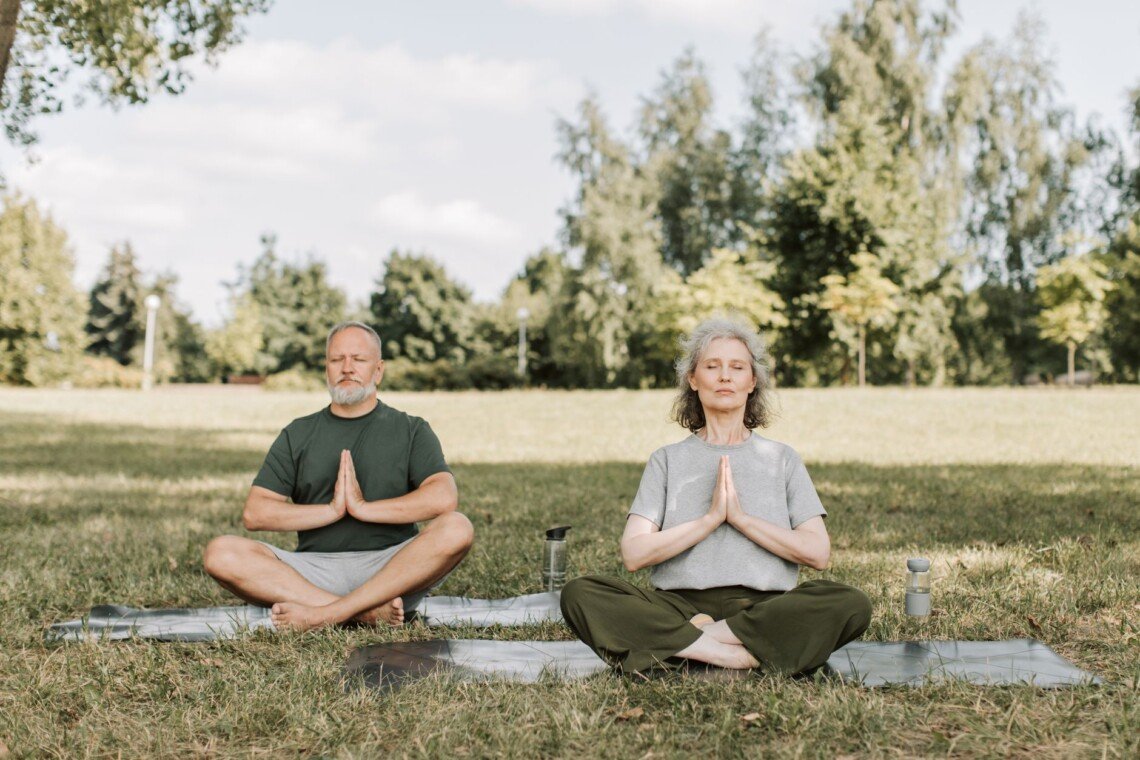
India’s rich meditation heritage offers numerous techniques perfectly suited for mature practitioners. Anulom Vilomana Pranayama (alternate nostril breathing) requires only 10-15 minutes daily and is particularly beneficial for those with hypertension or heart conditions. This breathing technique balances the autonomic nervous system, reducing stress while improving oxygen circulation throughout the body.
Body scan meditation, known as “Samanya Dhyana” in traditional texts, involves systematically focusing attention on different body parts. This practice releases physical tension common in older adults – from neck stiffness to joint discomfort. Starting from the toes and moving upward, practitioners develop heightened body awareness that enhances posture and reduces chronic pain. Many Indian elders find this technique compatible with daily activities like morning tea or evening prayers.
Specific Practices for Indian Cultural Context
Japa meditation, involving the repetitive chanting of sacred names like “Om” or “Rama,” connects modern practitioners with millennia-old traditions. This practice requires minimal physical effort yet provides deep mental focus. Many elderly Indians naturally incorporate this into daily routines through prayer beads (mala counting) or mantra repetition during puja ceremonies.
Loving-kindness meditation, adapted from Buddhist traditions popular in India, cultivates positive emotions toward all beings. Starting with oneself, then extending to family, friends, strangers, and even difficult people, this practice transforms negative thought patterns common in mid-life and beyond. Research shows it increases activity in brain regions associated with positive emotions while decreasing stress-related neural activity.
Getting Started: Creating Your Personal Meditation Routine
Beginning a meditation practice after 50 requires gentle approach and realistic expectations. Start with just 5-10 minutes daily, gradually increasing duration as comfort grows. Choose a consistent time – perhaps after morning hygiene routines or before evening prayers. Create a simple dedicated space with comfortable seating, good lighting, and minimal distractions.
Consistency matters more than perfection. Even 3 minutes of focused breathing beats 30 minutes done sporadically. Track progress through meditation apps available in regional languages or simple journals noting daily practice duration and how you feel afterward. Many Indian communities benefit from group meditation sessions at temples or community centers, providing both practice support and social connection.
Address common obstacles proactively. Health limitations shouldn’t prevent practice – meditation can be done sitting comfortably in chairs or lying down. Technology can aid consistency through reminder apps or guided meditation recordings featuring Indian languages and cultural contexts. When distractions arise, acknowledge them without judgment and gently return focus to the practice.
Maintaining Long-term Practice and Community Support
Sustaining meditation practice requires understanding natural fluctuations in motivation and ability. Some days will feel easier than others – this is normal human experience, not failure. Develop flexible approaches allowing practice modifications during illness, travel, or busy periods. Many successful long-term practitioners adapt techniques to circumstances rather than abandoning practice entirely.
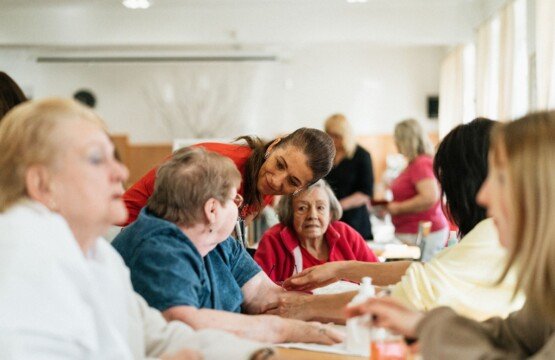
Leverage existing Indian community structures for support. Temples often host meditation groups; yoga centers provide guidance; family members can join in creating shared peaceful routines. Online communities and mobile applications offer additional resources, especially for rural practitioners or those with mobility limitations. Many apps feature content specifically designed for seniors and Indian cultural contexts.
Regularly assess practice evolution through honest self-reflection. Notice improvements in sleep quality, stress management, relationships, and overall wellbeing. Adjust techniques based on changing needs – perhaps shifting from silent meditation to chanting during periods of high stress, or extending practice duration when health permits. The goal isn’t perfect technique but consistent positive change in daily experience.
Meditation offers Indian adults over 50 a pathway to peaceful aging that honors both ancient wisdom and modern understanding. By starting gently, maintaining consistency, and adapting practices to individual circumstances, meditation becomes an invaluable tool for navigating life’s later chapters with grace, health, and deep inner peace.
Image by: Vlada Karpovich

 by







Latest Comments