Retirement Loneliness in India: Finding Emotional Support and Building Community Connections
As India witnesses its largest retirement wave in history, a silent epidemic is growing within our senior communities – the profound isolation that comes with retirement loneliness. With over 60 million retirees across the nation, many face the harsh reality of shrinking social circles, adult children relocated abroad, and the erosion of meaningful connections that once defined their work lives. According to the National Family Health Survey, nearly 40% of elderly individuals in India report feeling socially isolated, with women being particularly vulnerable due to societal expectations and migration patterns. This comprehensive guide explores the multifaceted challenge of retirement loneliness in India and presents practical solutions through emotional support systems and community-based interventions that can transform the post-retirement experience for millions of seniors.
Understanding the Scope of Retirement Loneliness in India
The phenomenon of retirement loneliness in India stems from a unique confluence of cultural, economic, and social factors that distinguish it from Western experiences. Unlike many developed nations where retirement is often planned for decades, Indian retirees frequently encounter unexpected social disruption when transitioning from structured work environments to seemingly empty households. The traditional joint family system, while still prevalent, is undergoing significant transformation as urbanization pushes families toward nuclear structures, leaving elderly parents potentially isolated in separate households or residential complexes.
Statistical evidence reveals the magnitude of this challenge. The National Sample Survey Office data indicates that approximately 25% of retired individuals experience moderate to severe loneliness within the first two years of retirement. Women constitute nearly 60% of this demographic, primarily due to longer life expectancy and higher rates of spouse mortality. Additionally, the Great Migration phenomenon, where younger generations relocate for employment opportunities, leaves behind elderly family members who struggle to maintain meaningful connections with their children and grandchildren.
Contributing Social and Cultural Factors
Several interconnected factors amplify the risk of retirement loneliness among Indian seniors. The patriarchal structure of Indian society often places immense responsibility on elderly parents to provide emotional and financial support to their children’s generation. When this dynamic shifts due to geographical separation or changing family priorities, seniors experience a profound sense of purposelessness and rejection. Furthermore, the stigma associated with seeking mental health support in Indian culture prevents many from acknowledging or addressing their loneliness openly.
Workplace relationships that provided daily social interaction and identity for decades suddenly disappear, creating a vacuum that extends far beyond the loss of income. The absence of structured activities and peer networks in retirement compounds this isolation. Moreover, limited digital literacy among older adults hinders their ability to leverage technology for maintaining connections with distant family members or accessing online support communities.
Emotional Support Systems for Retirees
Effective emotional support for retirees requires a multi-layered approach that addresses both immediate psychological needs and long-term social integration. Professional counseling services have emerged as crucial resources, with psychologists and geriatric counselors specializing in retirement adjustment disorders seeing increased demand. These professionals help retirees navigate the complex emotions associated with identity transformation, loss of status, and fear of becoming burdens to their families.
Community-based support groups offer another vital avenue for emotional healing. Organizations like the Age Foundation and various local NGOs facilitate regular meetups where retirees can share experiences, exchange coping strategies, and build meaningful friendships with peers facing similar challenges. These groups often incorporate therapeutic activities such as group discussions, memory exercises, and collaborative projects that foster a sense of belonging and mutual support.
Technology-enabled support platforms are revolutionizing how retirees access emotional assistance. Telemedicine consultations, online therapy sessions, and mobile applications designed specifically for senior mental health provide convenient and discreet access to professional help. These digital solutions overcome geographical barriers and offer 24/7 availability, making emotional support more accessible than ever before.
| Support Type |
Average Cost (INR) |
Accessibility Features |
Target Beneficiaries |
| Professional Counseling |
500-2000 per session |
Phone, Video, In-person |
All retirees with moderate-severe loneliness |
| Community Support Groups |
Free-500 membership |
Local centers, Online forums |
Social isolation cases |
| Digital Mental Health Apps |
Free-1000 monthly |
Mobile, Tablet, Web |
Tech-savvy seniors, Rural areas |
Building Community Connections for Retirees
Creating sustainable community connections represents one of the most effective long-term solutions to combat retirement loneliness in India. Volunteering initiatives provide retirees with purposeful engagement while expanding their social circles beyond traditional family networks. Government schemes like the Senior Citizens’ Volunteer Program encourage retirees to mentor youth, assist in educational institutions, or participate in community development projects.
Interest-based clubs and hobby groups have gained significant traction in urban areas, offering retirees opportunities to connect with like-minded individuals. From gardening clubs and book discussion groups to traditional craft workshops and dance classes, these activities provide structured social interaction while allowing seniors to pursue passions they set aside during their working years. Religious organizations also play a crucial role by hosting regular community events, prayer meetings, and charitable activities that naturally foster interpersonal connections.
Elder care facilities and residential communities are increasingly incorporating social programming to prevent isolation among residents. These include daily activity schedules, intergenerational programs with local schools, and partnerships with local businesses for skill-sharing workshops. However, it’s essential to note that traditional living arrangements shouldn’t be viewed as inherently problematic – rather, proactive measures must be taken to maintain social connections regardless of living situation.
Successful Community Programs Across India
Several innovative community programs demonstrate effective approaches to building connections for retirees. The “Silver Circle” initiative in Mumbai brings together retired professionals for monthly networking events where they share industry knowledge with students and young entrepreneurs. In rural Rajasthan, the “Gram Panchayat Seniors’ Council” empowers elderly villagers to contribute to local governance decisions, giving them renewed purpose and respect within their communities.
The “Adopt-a-Grandparent” program in Delhi pairs lonely retirees with school children for regular mentoring sessions, addressing both generational gaps and emotional needs. Additionally, religious institutions like the Ismaili Jamat Khana in Hyderabad have successfully implemented intergenerational programs that bring together seniors, middle-aged adults, and youth for cultural activities and community service projects.
Policy Interventions and Government Support
National Level Initiatives
The Indian government has recognized retirement loneliness as a critical social issue requiring systematic intervention. The Ministry of Social Justice and Empowerment launched the “National Policy for Senior Citizens” in 2019, which specifically addresses social isolation through provisions for community centers, healthcare access, and social security benefits. The Swadharna Greh scheme provides shelter homes equipped with recreational facilities and professional counseling services for elderly individuals without adequate family support.
Financial incentives encourage community participation through pension enhancements for those actively engaged in volunteer work or community service. The pension scheme offers additional monthly benefits of up to INR 5,000 for retirees who contribute minimum 10 hours per month to approved community activities. These policies aim to normalize senior engagement in society while providing tangible benefits for participation.
State-Specific Programs
Different states have implemented tailored solutions based on regional demographics and cultural contexts. Kerala’s “Akshayam” scheme focuses on empowering retired teachers through continued part-time academic contributions, maintaining their professional identity while fostering peer connections. Tamil Nadu’s “Senior Citizen Welfare Corporation” operates numerous community centers offering skill development programs, health checkups, and social activities specifically designed for different interest groups.
In Punjab, the “Sewa Kendra” program trains retirees as volunteers for disaster response and community welfare activities, giving them structured roles that benefit society while combating isolation. These state-level initiatives demonstrate the importance of localized approaches that consider regional languages, cultural practices, and existing social structures.
Practical Strategies for Families and Communities
Families can significantly impact their retired relatives’ emotional well-being through intentional relationship maintenance and inclusive planning. Regular communication rituals, such as scheduled phone calls or video conferences, help bridge geographical distances. When possible, organizing periodic family gatherings, weekend visits, or shared meals creates meaningful connection opportunities that combat loneliness.
Involving retirees in family decision-making processes, especially regarding grandchildren’s education and upbringing, validates their experience and maintains their relevance within the family structure. Sharing responsibilities like cooking traditional recipes, teaching cultural practices to younger generations, or managing family finances provides purposeful engagement that extends beyond mere companionship.
Community organizations play a crucial role in creating supportive environments for retirees. Religious institutions, cultural associations, and neighborhood groups can establish regular senior-focused programs that include not just entertainment but also educational components, health awareness sessions, and skill development workshops. Creating buddy systems where retirees are paired for mutual support, transportation assistance, and regular check-ins can prevent isolation before it becomes severe.
Emergency preparedness planning that includes elderly family members ensures they feel valued and protected within the family unit. This includes discussing living arrangements during medical emergencies, financial planning for long-term care, and establishing clear communication protocols during family crises. Such planning reduces anxiety about becoming a burden while strengthening family bonds.
Conclusion
Retirement loneliness in India represents a complex challenge requiring multifaceted solutions that address individual emotional needs while strengthening community support systems. The statistics are sobering – nearly half of our retiring population faces significant social isolation – but the potential for positive change is equally substantial. Through professional counseling, community engagement, policy interventions, and family involvement, we can create an environment where retirement becomes a period of renewed purpose rather than profound isolation.
The success of addressing retirement loneliness depends on recognizing that it’s not merely an individual problem but a societal responsibility. Communities must take ownership of their elderly members’ well-being, families need to maintain intentional connections despite geographical barriers, and policymakers should continue developing innovative programs that normalize senior participation in society. By implementing these strategies systematically, we can ensure that India’s retiring generation experiences the dignity, connection, and fulfillment they deserve in their golden years.
Image by: Jsme MILA

 by
by 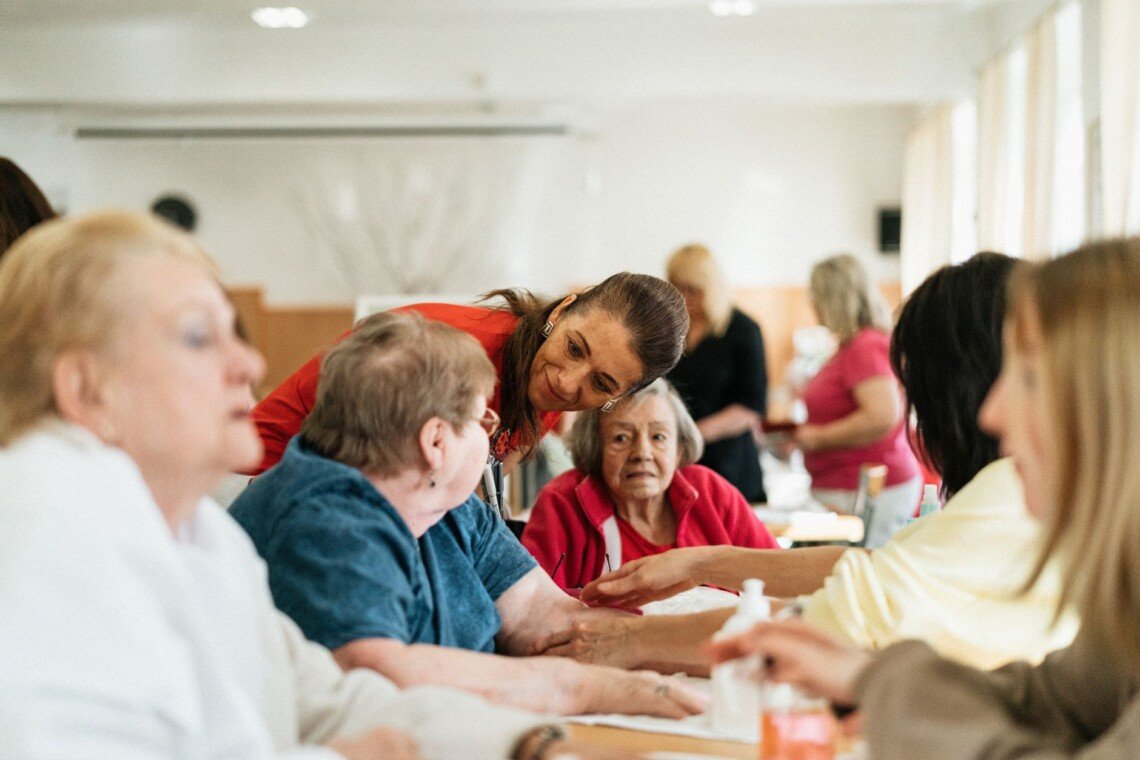






Latest Comments