Meditation for Seniors in India: Ultimate Guide to Peaceful and Joyful Aging
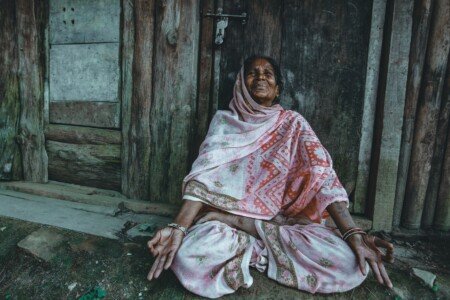
As India witnesses its rapidly aging population, finding effective ways to maintain mental and physical well-being becomes increasingly important. With over 30% of India’s population projected to be above 60 years by 2050, seniors face unique challenges including social isolation, chronic health conditions, and legacy concerns. Meditation offers a powerful, accessible solution that requires no special equipment and can be practiced anywhere – from the comfort of home to community centers across Mumbai, Delhi, or rural villages. This comprehensive guide explores how meditation specifically benefits older adults in the Indian context, providing practical techniques, cultural considerations, and resources to create a more peaceful and joyful aging experience.
Understanding Meditation Benefits for Senior Health
Research consistently demonstrates that meditation provides significant health advantages for older adults, addressing many age-related concerns common in the Indian population. Studies published in journals like the International Journal of Geriatric Psychiatry show that regular meditation practice can reduce anxiety and depression by up to 38% in seniors, while improving sleep quality and cognitive function. For Indians managing multiple medications for hypertension, diabetes, or heart disease, meditation serves as a complementary therapy that enhances treatment outcomes without adverse interactions.
The physiological benefits extend beyond mental health. Meditation helps regulate blood pressure, strengthen immune response, and reduce inflammatory markers associated with chronic diseases prevalent among Indian seniors. A study conducted at the All India Institute of Medical Sciences found that participants aged 60-75 who practiced mindfulness meditation for eight weeks showed measurable improvements in cardiovascular health markers and reported higher satisfaction with daily activities. Additionally, meditation supports neuroplasticity, helping maintain memory and decision-making abilities crucial for independent living.
Specific Health Conditions Improved by Meditation
Cardiovascular health represents one of the most significant areas where meditation shows measurable benefits for Indian seniors. According to the World Health Organization, cardiovascular diseases account for 27% of all deaths in India, largely affecting those above 60. Regular meditation practice can reduce systolic blood pressure by an average of 5-10 mmHg, comparable to mild antihypertensive medication effects.
Mental health improvements are equally remarkable. The National Institute of Mental Health and Neurosciences (NIMHANS) reports that meditation reduces cortisol levels, the stress hormone that contributes to age-related cognitive decline. For seniors experiencing mild cognitive impairment, mindfulness practices have shown promise in delaying progression toward dementia by strengthening neural pathways responsible for attention and memory consolidation.
Popular Meditation Techniques Adapted for Indian Seniors
Indian culture already contains rich traditions of meditation and mindfulness, making adaptation of these practices particularly natural for local seniors. Walking meditation, for instance, aligns perfectly with daily routines like temple visits, market shopping, or garden walks around common residential areas. This practice involves paying attention to each step, the sensation of feet touching ground, and surrounding sounds – creating present-moment awareness during routine activities.
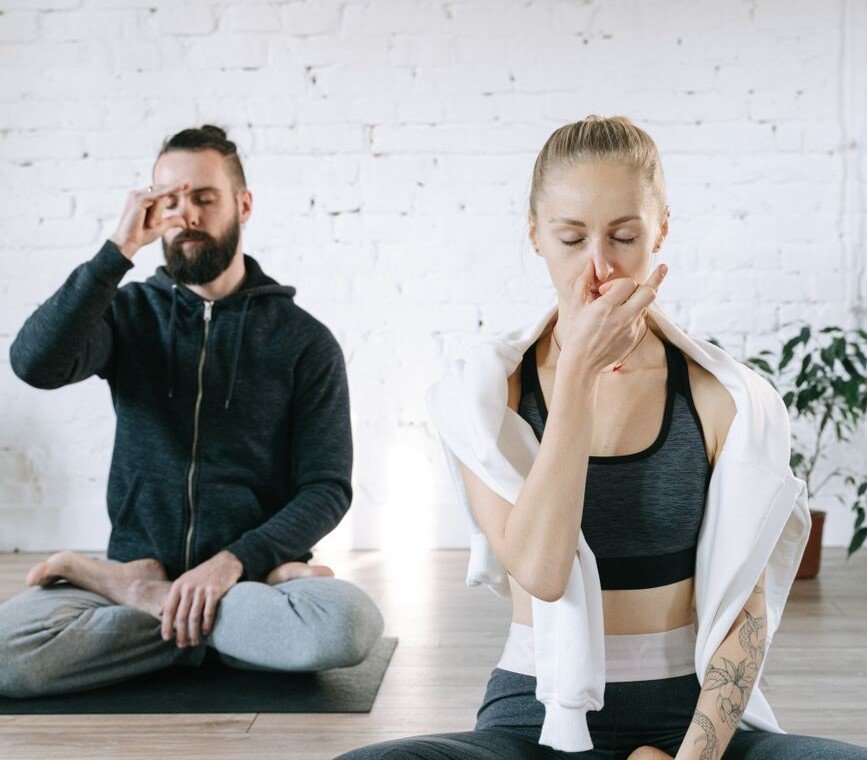
breathing meditation (pranayama) offers another accessible option requiring minimal time investment. Simple techniques like alternate nostril breathing can be practiced for just 5-10 minutes daily, helping manage anxiety while supporting respiratory health often compromised in older adults. Many Indian seniors already practice certain breathing exercises during religious ceremonies, making this transition to secular mindfulness straightforward.
Body scan meditation proves especially valuable for seniors managing chronic pain conditions common in aging populations. Starting from toes and systematically focusing attention upward through each body part, this practice helps release tension accumulated from years of physical labor or arthritis discomfort. Community centers and senior clubs often report positive responses when introducing these gentle techniques alongside existing group activities.
Simple Breathing Exercises for Beginners
Anulom Vilom, or alternate nostril breathing, requires only 5-10 minutes daily. Sit comfortably with straight spine, close right nostril with thumb, inhale slowly through left nostril for 4 counts, close left nostril with ring finger, exhale right nostril for 4 counts, then inhale right side for 4 counts. Repeat cycle 5-7 times, either morning or evening.
Bhramari breath involves placing fingers gently on throat area, creating slight humming sensation. Inhale deeply through nose, then exhale while making soft bee-like humming sound for 8-10 seconds. This technique simultaneously massages throat muscles and creates calming vibrations throughout head region.
Cultural Integration and Community Support Systems
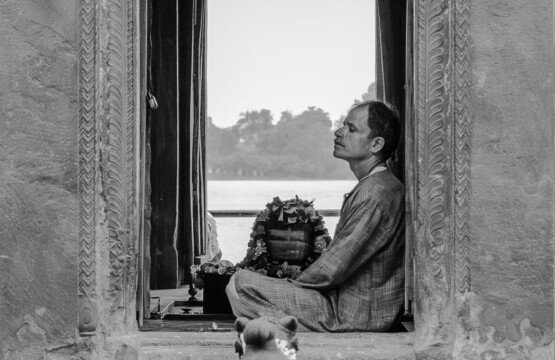
India’s spiritual heritage provides natural bridges for introducing meditation to seniors resistant to Western psychological approaches. Many elderly individuals already engage with concepts like dhyana (meditative absorption) described in ancient texts, making modern mindfulness explanations feel familiar rather than foreign. Temples and religious organizations increasingly offer meditation sessions, particularly focusing on techniques compatible with existing prayer practices.
Community support amplifies meditation benefits significantly. Senior citizen groups across cities like Bangalore, Chennai, and Hyderabad report improved participation when meditation sessions incorporate local languages, familiar music instruments like tabla or harmonium, and references to traditional wisdom literature. Family involvement proves crucial – younger generations teaching parents or grandparents meditation creates bonding opportunities while addressing intergenerational stress.
Digital platforms emerging in India specifically address senior needs, offering guided meditation apps in regional languages with simplified interfaces. Organizations like the Art of Living Foundation and various ashrams provide structured programs combining meditation with yoga, pranayama, and philosophical discussions connecting practices to everyday life challenges faced by aging populations.
Building Local Meditation Communities
Schools with senior citizen programs report success when students teach meditation techniques to elderly volunteers. These intergenerational partnerships create natural learning environments where seniors feel comfortable asking questions and practicing without judgment. Local libraries increasingly host weekly meditation sessions, often led by trained volunteers or healthcare professionals familiar with geriatric needs.
Religious institutions naturally support meditation integration, with many temples offering morning meditation sessions alongside traditional prayers. Community centers and senior clubs find particular success when introducing meditation gradually, starting with 5-minute daily practices and building consistency before extending duration. Peer encouragement significantly improves retention rates compared to individual practice attempts.
Getting Started: Practical Implementation Guide
Beginning meditation practice as a senior requires patience and realistic expectations. Start with just 5 minutes daily, ideally morning or evening when environment feels calm and uninterrupted. Choose quiet corner with comfortable seating – simple wooden stool or firm cushion works better than soft beds encouraging sleepiness. Consistency matters more than duration initially; 5 minutes daily beats 30 minutes once weekly.
Create simple routine by linking meditation to existing habits like morning tea, post-lunch rest period, or pre-sleep wind-down. Set gentle reminder using phone alarm or ask family member to prompt practice. Track progress in simple notebook noting duration, feelings afterward, and any physical sensations noticed during sessions. This documentation helps maintain motivation during early challenging phases.
Address common obstacles proactively. Physical discomfort requires comfortable position adjustments rather than pushing through pain. Mental wandering occurs naturally – acknowledge thoughts without judgment and gently return focus to chosen object like breath or body sensations. Initial frustration or boredom are normal parts of learning process; persistence through these phases typically yields noticeable benefits within 3-4 weeks of consistent practice.
Recommended Resources and Apps for Indian Seniors
Several meditation apps specifically serve Indian senior populations effectively. Headspace offers simplified interface with Hindi narration options, featuring special packs for stress management and sleep improvement. Insight Timer provides thousands of free guided meditations, including several specifically recorded for senior audiences discussing age-related concerns. Smriti Box creates content specifically addressing Indian cultural contexts, with sessions explaining meditation through familiar concepts like temple mindfulness or nature-based practices.
Traditional resources complement digital tools effectively. Books like “Art of Living” by Sri Sri Ravi Shankar provide philosophical foundations connecting meditation to Indian wisdom traditions. Local ashrams and spiritual centers offer structured programs combining meditation with community support. Healthcare providers increasingly recognize meditation benefits and may recommend specific approaches based on individual health conditions, creating integrated care plans supporting overall wellness goals.
Conclusion
Meditation represents a powerful, culturally compatible tool for achieving peaceful and joyful aging in India’s evolving senior landscape. By reducing stress-related health complications, enhancing mental clarity, and fostering deeper connections with family and community, regular practice creates measurable improvements in quality of life for millions of older adults. Success depends on starting simply, maintaining consistency, and gradually building upon initial experiences rather than attempting complex techniques prematurely.
The integration of traditional Indian meditation wisdom with contemporary scientific understanding creates unique opportunities for addressing specific challenges faced by senior populations across diverse socioeconomic backgrounds. Whether practiced individually in personal spaces or collectively within community groups, meditation offers accessible path toward maintaining independence, dignity, and happiness throughout later life stages. As healthcare systems recognize preventive mental health benefits, meditation training increasingly becomes part of comprehensive senior care approaches, ensuring continued wellness and fulfillment for India’s growing elderly community.
Image by: Ivan S

 by




Latest Comments