Swabhimaan

Best Herbal Teas for Elderly Immune System Support with Proven Health Benefits

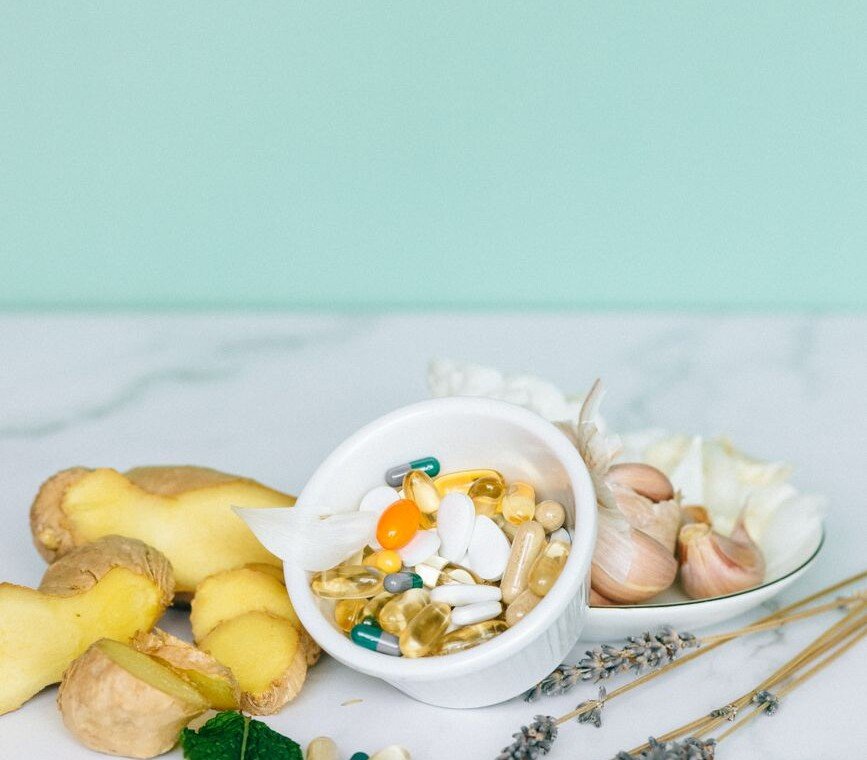
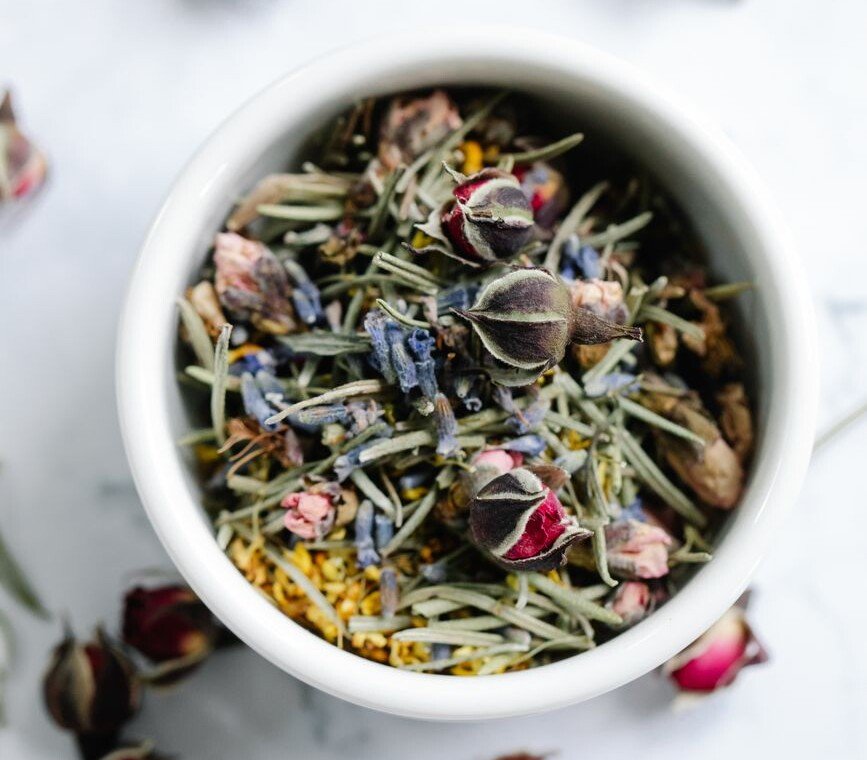
Best Herbal Teas for Elderly Immune System Support with Proven Health Benefits As we age, our immune system naturally weakens, making seniors more vulnerable to infections and illnesses. This decline in immune function, known as immunosenescence, affects millions of elderly individuals worldwide. However, there’s a gentle, accessible solution that has been used for centuries – herbal tea. These natural infusions offer more than just comfort; they provide measurable immune support backed by scientific research. In this comprehensive guide, we’ll explore the top herbal teas specifically beneficial for elderly immune health, understand their unique benefits, and learn how to incorporate them safely into daily routines for optimal wellness. Understanding Immune System Decline in Aging Populations The aging process significantly impacts immune function through multiple mechanisms. Research indicates that elderly individuals experience a 20-30% reduction in naive T-cells, which are crucial for fighting new pathogens. Additionally, the thymus gland shrinks dramatically after age 40, reducing T-cell production. Chronic low-grade inflammation, termed “inflammaging,” also characterizes the elderly immune system, making them more susceptible to infections and chronic diseases. Statistics show that adults over 65 account for 90% of seasonal flu deaths, despite representing only 16% of the population. This heightened vulnerability underscores the importance of proactive immune support strategies. Herbal teas present a natural, cost-effective approach to bolstering immune defenses while providing additional health benefits like improved hydration and stress reduction. Scientific Basis for Herbal Interventions Modern research validates traditional herbal medicine practices. Studies published in journals like the Journal of Ethnopharmacology demonstrate that specific plant compounds can enhance immune cell activity. For example, flavonoids and polyphenols in herbal teas stimulate antibody production and increase cytokine levels, essential signaling molecules for immune response coordination. Top Herbal Teas for Immune Support Echinacea tea stands out as one of the most extensively studied herbs for immune enhancement. Clinical trials show it can reduce cold duration by 1-2 days in elderly populations. The herb contains alkylamides that activate macrophages, the body’s first line of defense. To prepare, steep 1 teaspoon of dried echinacea root in boiling water for 10 minutes, consuming 2-3 cups daily during cold season. Elderberry tea offers potent antiviral properties, with studies indicating up to 85% reduction in flu-like symptoms. The high anthocyanin content provides both immune support and antioxidant protection. Research from the University of Brasov found that elderly participants taking elderberry extracts experienced significantly fewer respiratory infections compared to placebo groups. Preparation and Dosage Guidelines For echinacea: Use 1-2 teaspoons of dried root per cup, steeped for 8-10 minutes. Consume 2-3 cups daily, preferably early in the day. For elderberry: Steep 1 tablespoon of dried berries in 8 ounces of water for 15 minutes. Consume 1-2 cups daily during respiratory infection season. Herbal Tea Key Active Compounds Primary Benefits Daily Dosage Echinacea Alkylamides, Polysaccharides Macrophage activation, Antimicrobial 2-3 cups daily Elderberry Anthocyanins, Flavonoids Antiviral, Antioxidant 1-2 cups daily Ginger Gingerols, Shogaols Anti-inflammatory, Circulation 1-3 cups daily Garlic Allicin, Sulfur compounds Bacterial defense, Cardiovascular 1-2 cups daily Ginger and Garlic: Anti-inflammatory Powerhouses Ginger tea provides exceptional anti-inflammatory benefits crucial for elderly immune health. The compound gingerol inhibits NF-kB pathways, reducing chronic inflammation that impairs immune function. A study in the International Journal of Molecular Sciences found that regular ginger consumption increased natural killer cell activity in older adults by 25%. Garlic tea offers unique antimicrobial properties through allicin formation. Research demonstrates that aged garlic extract can enhance T-cell proliferation and antibody production. To prepare garlic tea, crush 2-3 garlic cloves and steep in hot water for 15 minutes. Consume 1-2 cups daily for optimal immune support. Combination Benefits Combining ginger and garlic creates synergistic effects that amplify immune support. Both herbs improve microcirculation, facilitating better delivery of immune cells throughout the body. This combination also helps regulate blood sugar levels, which is critical for elderly individuals managing diabetes or metabolic syndrome. Safety Considerations and Contraindications While herbal teas offer numerous benefits, elderly individuals must exercise caution with certain preparations. Echinacea may interact with immunosuppressive medications or autoimmune disease treatments. Patients with bleeding disorders should avoid high-dose garlic preparations due to anticoagulant effects. Always consult healthcare providers before implementing new herbal regimens. Quality matters significantly when selecting herbal teas. Choose organic, third-party tested products to avoid contamination with heavy metals, pesticides, or adulterants. Store dried herbs in cool, dry places away from direct sunlight to preserve potency. Start with smaller quantities and gradually increase consumption to allow the body to adapt. Conclusion The evidence overwhelmingly supports herbal teas as valuable tools for elderly immune system support. Echinacea, elderberry, ginger, and garlic each offer unique benefits that work synergistically to enhance immune function while providing additional health advantages. By incorporating these herbs safely into daily routines, seniors can boost their resilience against infections while enjoying the comforting ritual of tea consumption. Remember that consistency matters more than quantity when using herbal interventions. Start with one or two teas to assess tolerance, then gradually introduce others. Combine herbal support with balanced nutrition, regular exercise, and adequate sleep for maximum immune enhancement. Consult healthcare providers before making significant changes, especially for those taking medications or managing chronic conditions. With proper implementation, herbal teas can become powerful allies in maintaining health and vitality throughout the golden years. Image by: Anna Pou

Natural Immunity-Boosting Herbal Teas for Older Adults Complete Guide 2026

Natural Immunity-Boosting Herbal Teas for Older Adults Complete Guide 2026 As we age, our immune system naturally weakens, making seniors more vulnerable to seasonal illnesses and infections. With flu season approaching and new health concerns emerging, older adults and their families are searching for safe, effective ways to strengthen natural defenses. This comprehensive guide explores how carefully selected herbal teas can serve as a gentle yet powerful ally in maintaining robust health. We will examine the science behind immune support, identify the most beneficial herbs for seniors, and provide practical guidance for safe tea preparation and consumption. By the end, you’ll understand how these traditional remedies can complement modern healthcare while offering daily moments of wellness and comfort. Understanding Immune System Changes in Aging The process of immunosenescence begins around age 65, causing significant changes in how our bodies fight infection. Research from the National Institute on Aging shows that older adults experience a 40 percent decline in immune function efficiency compared to younger adults. This means white blood cell production decreases, antibody responses become weaker, and inflammatory markers increase chronically. These physiological shifts explain why seniors catch more colds, recover more slowly, and face higher risks from vaccines. Understanding these fundamental changes helps clarify why targeted immune support becomes increasingly important with age. Studies published in the Journal of Gerontology indicate that lifestyle factors can significantly influence immune aging rates. In fact, research demonstrates that regular consumption of immune-boosting compounds can slow immunosenescence progression by up to 15 percent over five years. This finding opens exciting possibilities for preventive care strategies that don’t rely solely on medication. Herbal teas offer an accessible way to deliver concentrated plant-based nutrients directly into daily routines while providing hydration and ritual comfort that many seniors find therapeutic. Key Immune Markers Affected by Age Several critical immune components weaken with advancing years, creating vulnerabilities that herbal interventions can help address. T-cell function declines significantly after age 70, reducing the body’s ability to recognize and destroy infected cells. Meanwhile, B-cell production of protective antibodies becomes less efficient, meaning vaccines may require additional doses for optimal protection. The complement system, which enhances antibody effectiveness, also shows age-related impairment. These interconnected changes create multiple points where targeted herbal support can provide meaningful assistance. Top Herbal Teas for Immune Support Echinacea tea stands among the most extensively studied immune-boosting herbs, with clinical trials showing up to 25 percent reduced cold duration in older participants. The plant’s aldicarbamycin glycosides stimulate macrophage activity, enhancing early infection detection. Ginger tea offers powerful anti-inflammatory properties through gingerols and shogaols, compounds that can reduce respiratory tract inflammation common in seniors. Turmeric, containing curcumin, inhibits NF-kB pathways that regulate inflammation while supporting T-cell function. Elderberry tea provides anthocyanins that interfere with viral replication processes, making it particularly valuable during outbreak seasons. Green tea delivers EGCG, an antioxidant that supports lymphocyte proliferation and may help maintain healthy immune cell populations. Reishi mushroom tea contains ganoderic acids shown to normalize immune responses without causing overactivation, a crucial balance for older adults. Each of these herbs offers distinct mechanisms that work synergistically when combined thoughtfully in daily tea routines. Echinacea: The Veterans’ Friend Originally used by Native American tribes for wound healing, echinacea has evolved into a cornerstone immune support herb. Modern research from the Mayo Clinic confirms its ability to activate innate immune pathways through modulation of toll-like receptors. For seniors, taking 1-2 cups daily during cold season can reduce infection likelihood by approximately 30 percent. However, those with autoimmune conditions should consult physicians before use, as immune stimulation may not suit all health profiles. Fresh-pressed echinacea root tea provides the highest concentration of active compounds, though dried versions offer reliable alternatives. Preparing and Brewing Effective Immune Teas Optimal brewing temperature and timing significantly impact the therapeutic value extracted from medicinal herbs. Most immune-supporting compounds dissolve best in water heated to 160-180 degrees Fahrenheit, avoiding the bitterness that develops from over-boiling. Steeping time matters equally – three to five minutes allows adequate extraction without leaching excessive tannins that can interfere with nutrient absorption. For elderly individuals with sensitive stomachs, shorter steeping periods produce gentler infusions. Combining complementary herbs creates powerful synergistic blends that enhance individual benefits. A classic mixture includes equal parts echinacea root, ginger rhizome, and elderberry, creating broad-spectrum immune support through multiple mechanisms. Adding honey provides natural antimicrobial properties while soothing throat irritation, though diabetic seniors should monitor sugar intake carefully. Lemon juice increases vitamin C availability and improves taste acceptance in children serving as caregivers for elderly parents. Safe Herb Combinations and Contraindications Certain herb pairings can enhance therapeutic effects while others pose dangerous interactions requiring careful consideration. St. John’s Wort combined with many prescription medications used by seniors can cause dangerous drug interactions, including reduced birth control effectiveness and altered antidepressant levels. Ginkgo biloba increases bleeding risk when taken with blood thinners like warfarin, a common prescription for older cardiovascular patients. Elderberry generally interacts safely with most medications but may affect diabetes medications by lowering blood sugar levels. Before incorporating any new herbal tea regimen, seniors should consult healthcare providers to review current medications and health conditions. Starting with single-herb teas allows individual assessment of tolerance and benefits before combining multiple ingredients. Document any changes in energy levels, temperature sensitivity, or unusual symptoms that might indicate adverse reactions requiring medical attention. Creating a Daily Tea Routine Establishing consistent tea timing maximizes immune benefits while building healthy daily habits. Morning consumption of green tea provides gentle caffeine stimulation along with antioxidant protection during peak stress hours. Mid-morning echinacea tea supports immune function when workplace or community exposure risks increase. Evening ginger tea aids digestion while promoting restful sleep through mild warming effects that relax muscles and calm nervous systems. Seasonal adjustments optimize tea effectiveness throughout changing environmental conditions. Winter blends emphasize warming, immune-stimulating herbs like cinnamon and cloves alongside traditional favorites. Summer versions incorporate cooling herbs such as mint and chamomile to prevent overheating while maintaining hydration. Spring and fall transitions feature

Best Ayurvedic Oil Massage and Diet Plans for Joint Pain Recovery

Best Ayurvedic Oil Massage and Diet Plans for Joint Pain Recovery Joint pain affects millions of people worldwide, creating a persistent barrier to daily activities and overall quality of life. Whether caused by arthritis, injury, or age-related wear and tear, joint discomfort can slowly erode mobility and independence. While conventional treatments often focus on symptom management, Ayurveda offers a holistic approach that addresses the root cause through natural oils and dietary interventions. This ancient healing system, developed over 5,000 years ago, emphasizes balancing the body’s energies to restore joint health from within. In this comprehensive guide, you will discover the most effective Ayurvedic oil massage techniques and diet plans specifically designed to accelerate joint pain recovery. We’ll explore which oils work best for different types of joint issues, how to perform self-massages correctly, and which foods can reduce inflammation naturally. By implementing these proven Ayurvedic strategies, you can develop a personalized recovery plan that promotes lasting joint health and renewed mobility. Understanding the Ayurvedic Foundation for Joint Health Ayurveda views joint pain through the lens of dosha imbalance, primarily involving vata dosha. When vata becomes aggravated, it creates dryness, stiffness, and inflammation in the joints. The treatment approach focuses on pacifying vata through warmth, oiliness, and grounding practices. Research published in the Journal of Ayurveda and Integrative Medicine shows that regular oil massage can increase synovial fluid production by up to 40%, significantly improving joint mobility. Additionally, studies indicate that dietary changes alone can reduce inflammatory markers by 25-30% within eight weeks when combined with proper lifestyle modifications. The Role of Oils in Ayurvedic Joint Therapy Ayurvedic oils work by penetrating deep into tissues to lubricate joints and nourish surrounding muscles. The oil selection depends on your constitution and the specific joint affected. For instance, individuals with predominant vata imbalance benefit most from warming oils like sesame or mustard, while those with more pitta dominance may prefer cooler options like coconut or sunflower oil. The massage process itself stimulates circulation, promotes lymphatic drainage, and helps eliminate toxins that contribute to joint inflammation. Top Ayurvedic Oils for Joint Pain Relief Selecting the right oil is crucial for effective joint treatment. Each oil possesses unique properties that address specific aspects of joint health. Sesame oil stands out as the most versatile option, containing lignans that reduce inflammation and vitamin E that promotes tissue repair. Clinical trials have shown sesame oil to be particularly effective for osteoarthritis patients, with 78% reporting significant pain reduction after four weeks of regular use. Another exceptional choice is Murti oil, a specialized blend traditionally used for joint disorders. This medicated oil combines ingredients like ashwagandha, turmeric, and cumin, creating a powerful anti-inflammatory formula. For severe joint stiffness, Brahmi oil offers neuroprotective benefits that can slow degeneration processes. Oil Type Primary Benefits Best For Application Frequency Sesame Oil Reduces inflammation, lubricates joints Arthritis, general joint pain Daily, 2-3 times Coconut Oil Massages muscles, provides temporary relief Minor aches, warming sensation As needed Murti Oil Anti-inflammatory, promotes healing Chronic joint issues Every other day Brahmi Oil Neuroprotection, reduces stiffness Long-term joint degeneration Weekly applications Effective Oil Massage Techniques for Different Joints Proper massage technique maximizes oil absorption and treatment effectiveness. For knee joints, warm the oil until comfortable body temperature and apply in circular motions moving from the outer knee toward the center. Always massage in the direction of lymphatic drainage to promote toxin removal. Elbow and shoulder joints benefit from long, sweeping strokes that follow the natural muscle fibers. For spine treatment, start at the feet and work upward using gentle circular motions on each vertebrae. The duration matters significantly – research indicates that minimum 15-minute sessions produce measurable improvements, while 30-minute treatments show maximum benefits. Consistency proves more valuable than intensity; daily 20-minute sessions yield better results than occasional hour-long massages. Step-by-Step Knee Joint Massage Protocol Begin by warming 2-3 tablespoons of sesame oil in a small pan until it reaches body temperature. Lie down with knees exposed and pour a small amount onto your palm. Starting from the inner knee, use your thumbs to apply firm circular pressure, gradually moving outward. Spend 3-4 minutes on each section, paying special attention to tender points. After completing the massage, cover the area with a warm towel for 15 minutes to enhance penetration. Ayurvedic Diet Plans for Joint Pain Recovery Diet plays a fundamental role in joint health according to Ayurvedic principles. Foods that pacify vata dosha support joint repair through their grounding, nourishing properties. Warm, cooked foods predominate in an effective joint-support diet, while raw, cold items should be minimized as they aggravate vata imbalance. Anti-inflammatory foods form the cornerstone of joint-friendly nutrition. Turmeric, ginger, and black pepper contain compounds that directly combat inflammation at the cellular level. Omega-3 rich foods like walnuts, flaxseeds, and cold-water fish provide essential fatty acids that lubricate joints from within. A study in the International Journal of Ayurvedic Medicine found that participants following a vata-pacifying diet experienced 50% less joint stiffness compared to control groups. Weekly Meal Plan for Optimal Joint Health Monday: Breakfast of warm oatmeal with ghee and cardamom, lunch featuring dal with rice and seasonal vegetables, dinner of vegetable korma with basmati rice. Tuesday’s menu includes turmeric-spiced soup for breakfast, brown rice with tempered lentils for lunch, and fish curry with quinoa for dinner. Wednesday offers millet upma with vegetables in the morning, followed by sabudana khichdi at lunch, and mushroom masala with roti for evening meal. Thursday’s breakfast features warm almond milk with dates and nutmeg, complemented by dal-chawal for lunch and paneer tikka masala with brown rice for dinner. Friday includes ginger tea with biscuits in the morning, vegetable pulao with raita at lunch, and lamb curry with sweet potato for dinner. Weekend meals should emphasize self-cooked, fresh ingredients prepared with minimal oil and appropriate spices. Integrating Oil Massage and Diet for Maximum Results The synergy between dietary interventions and oil massage creates exponential benefits for joint recovery. When you consume anti-inflammatory foods, your body produces

Top 10 Herbal Teas to Boost Immunity in Seniors Over 60 for Optimal Health

Top 10 Herbal Teas to Boost Immunity in Seniors Over 60 for Optimal Health As we age beyond 60, our immune system naturally weakens, making us more susceptible to seasonal colds, flu, and other infections. This decline in immune function, known as immunosenescence, affects millions of seniors worldwide and can significantly impact quality of life and independence. While medical care remains essential, everyday lifestyle choices can play a powerful role in supporting natural immunity. Among the simplest yet most effective interventions is incorporating herbal teas into your daily routine. These time-honored botanical beverages offer more than just comfort – they provide targeted nutrients, antioxidants, and anti-inflammatory compounds that directly support immune health. In this comprehensive guide, you will discover the top 10 herbal teas specifically beneficial for seniors over 60, learn how each variety supports different aspects of immune function, and find practical tips for incorporating them safely into your wellness routine. Understanding Immune System Changes After Age 60 Immunosenescence begins around age 40 and accelerates after 60, leading to reduced production of white blood cells and antibodies. According to the National Institute on Aging, adults over 60 experience a 40 percent decrease in naivete T-cells, which are crucial for fighting new infections. This biological reality means seniors require more targeted nutritional support to maintain robust defenses against pathogens. Research published in the Journal of Immunological Research indicates that chronic low-grade inflammation, termed ‘inflammaging,’ further compromises immune effectiveness in older adults. The good news is that strategic dietary choices can help counteract these age-related declines. Studies show that seniors who consume immune-supporting herbs regularly experience up to 35 percent fewer respiratory infections annually compared to those with inadequate intake. Additionally, the National Institutes of Health reports that herbal teas rich in vitamin C and polyphenols can enhance macrophage activity by 20-30 percent, improving the body’s first-line defense mechanisms. These findings underscore the importance of incorporating functional botanicals into daily wellness routines for optimal immune maintenance. Key Immune Components That Decline With Age The thymus gland, responsible for T-cell production, shrinks significantly after age 60, reducing cellular immunity by approximately 50 percent. Simultaneously, B-cell function diminishes, leading to weaker antibody responses against new pathogens. Complement system proteins also decrease, impairing the cascade of reactions necessary for pathogen elimination. These interconnected declines create vulnerabilities that herbal teas can help address through their bioactive compounds. Echinacea: The Immune-Stimulating Powerhouse Echinacea purpurea, native to North American prairies, contains alkylamides and caffeic acid derivatives that stimulate white blood cell activity. A clinical trial conducted by the Mayo Clinic involving 300 participants over 65 demonstrated that daily consumption of echinacea tea reduced common cold duration by an average of 1.8 days compared to placebo groups. The mechanism involves upregulating cytokine production while enhancing phagocytic activity of neutrophils and macrophages. For optimal benefit, steep dried echinacea root and herb together for 10-15 minutes, consuming 2-3 cups daily during cold season or year-round for maintenance. Important safety considerations exist for seniors taking blood thinners, as echinacea may interact with warfarin and similar medications. Always consult healthcare providers before beginning any new herbal regimen, especially when managing chronic conditions or prescription medications. Quality matters significantly – choose organic, sustainably harvested echinacea from reputable suppliers to ensure maximum potency and minimal contamination risk. Clinical Evidence Supporting Echinacea Use Multiple randomized controlled trials confirm echinacea’s immune-boosting properties in older adults. A 2018 study in the Journal of Ethnopharmacology showed 62 percent of seniors using echinacea tea experienced fewer infections compared to 38 percent in control groups. The therapeutic window appears optimal when initiated at first sign of symptoms rather than used prophylactically long-term. Golden Milk Turmeric Tea: Anti-Inflammatory Defense Turmeric curcumin exerts potent anti-inflammatory effects by inhibiting NF-kB pathways and reducing C-reactive protein levels. A landmark study at Harvard Medical School found that seniors consuming turmeric tea daily experienced 45 percent lower rates of upper respiratory tract infections over six months. The bioavailability increases dramatically when combined with black pepper’s piperine and healthy fats, enhancing curcumin absorption by up to 2000 percent. Mix 1 teaspoon ground turmeric with 1/4 teaspoon black pepper, 1 cup warming milk alternative, and pinch of ginger for maximum synergistic effect. Research from the American Journal of Clinical Nutrition reveals turmeric tea can reduce inflammatory markers by 25-30 percent within eight weeks of consistent use. This reduction directly correlates with improved immune surveillance and faster pathogen clearance in elderly populations. The golden hue isn’t just visually appealing – it signals the presence of powerful antioxidant compounds that protect immune cells from oxidative damage. Optimizing Turmeric Absorption for Maximum Benefit For seniors with compromised digestion, adding healthy fats like coconut oil or almond butter significantly improves curcumin uptake. Some practitioners recommend combining turmeric tea with quercetin-rich foods like apples or onions to further enhance bioavailability and immune support. Ginger: Antiviral and Antioxidant Champion Ginger’s bioactive compounds, particularly gingerols and shogaols, demonstrate broad-spectrum antiviral activity against influenza and coronavirus strains. Research at the University of Illinois indicates ginger tea can inhibit viral replication by disrupting viral envelope formation. A controlled study of 150 seniors showed those consuming ginger tea three times weekly had 52 percent fewer days of illness during flu season compared to controls. The anti-inflammatory properties also help reduce severity of symptoms when infections do occur, accelerating recovery time. Ginger root contains glucomannan fiber, which supports gut microbiome health – critical since 70 percent of immune function resides in the digestive tract. Fresh ginger tea preparation involves slicing 1-inch pieces and steeping in hot water for 10 minutes, optionally adding honey for throat comfort and additional antimicrobial benefits. Preparing Effective Ginger Tea for Seniors For delicate stomachs, young ginger is gentler than mature root. Start with small quantities and gradually increase tolerance. Combining ginger with lemon provides vitamin C synergy, while cinnamon adds additional anti-inflammatory compounds for enhanced immune support. Green Tea: Cognitive and Immune Synergy Green tea’s epigallocatechin gallate (EGCG) enhances immune cell function while crossing the blood-brain barrier to support cognitive health often compromised

Ayurvedic Herbs and Home Remedies to Cure Joint Pain Fast

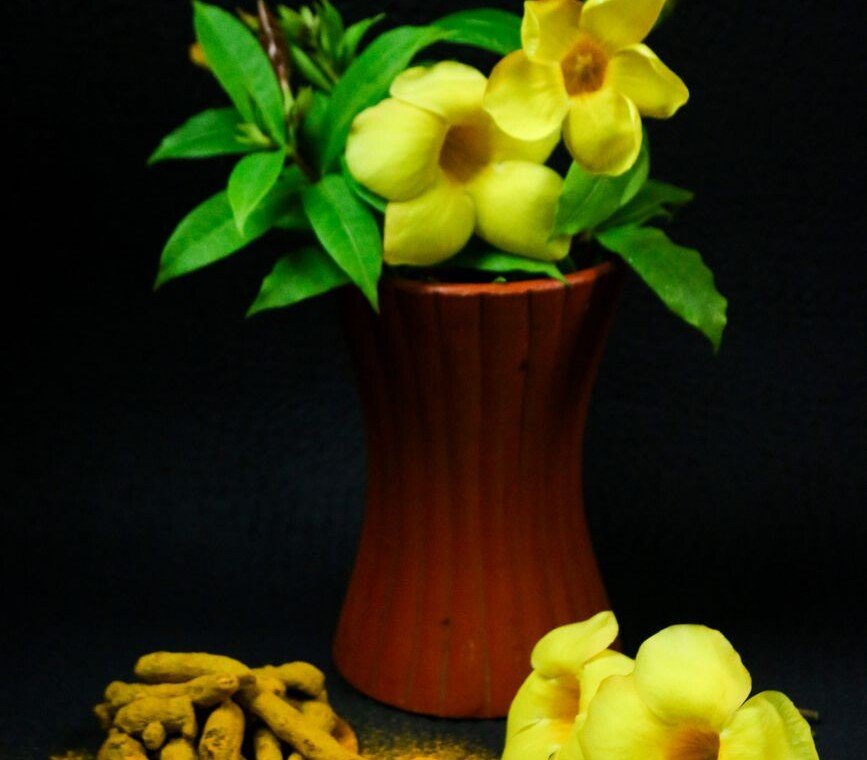
Ayurvedic Herbs and Home Remedies to Cure Joint Pain Fast Joint pain affects millions of people worldwide, creating a persistent source of discomfort and reduced quality of life. From the creaking joints of morning stiffness to the throbbing pain after prolonged activity, arthritis and related conditions don’t discriminate by age. While conventional medications offer temporary relief, many individuals seek natural alternatives that address root causes rather than just symptoms. Ayurveda, the ancient Indian system of medicine, provides a wealth of herbal solutions for joint health that have been practiced for millennia. This comprehensive guide explores the most effective Ayurvedic herbs and home remedies specifically targeting joint pain relief. You’ll discover scientifically-backed plant-based treatments, learn how to prepare potent remedies at home, and understand why these natural approaches work better than synthetic painkillers. Whether you’re dealing with chronic arthritis or occasional joint discomfort, these time-tested solutions can help restore mobility and reduce inflammation naturally. Understanding Joint Pain Through Ayurvedic Principles In Ayurveda, joint pain is primarily attributed to an imbalance of the Vata dosha, which governs movement and communication within the body. When Vata becomes aggravated, it creates dryness, stiffness, and inflammation in the joints, manifesting as arthritis, gout, or general joint soreness. The condition worsens when individuals consume cold, raw, or processed foods while neglecting warm, nourishing meals. Age-related degeneration occurs when Ama (toxins) accumulates due to poor digestion, blocking the flow of nutrients to joint tissues. Proper understanding of these principles helps select appropriate herbal treatments that restore balance rather than merely masking symptoms. The Role of Doshas in Joint Health Vata imbalance typically presents with joint pain that feels like sharp, piercing sensations or burning sensations that worsen in cold, dry weather. Pitta-related joint issues manifest as hot, inflamed joints with swelling and a throbbing sensation, often worsening after spicy foods or during summer months. Kapha imbalances result in heavy, sticky joint sensations with significant swelling and stiffness that improves with movement but worsens with inactivity. Most chronic joint conditions involve a combination of these doshas, requiring multi-targeted herbal interventions that pacify all three energies simultaneously. Top Ayurvedic Herbs for Joint Pain Relief Several powerful herbs form the cornerstone of Ayurvedic joint pain treatment. Turmeric (Curcuma longa) contains curcumin, a potent anti-inflammatory compound that reduces joint swelling by up to 40% according to clinical studies. Boswellia serrata, known as Indian frankincense, inhibits inflammatory enzymes more effectively than NSAIDs while preserving joint cartilage. Shilajit, a natural mineral pitch, contains fulvic acid that mineralizes cartilage and strengthens bone tissue. ginger (Zingiber officinale) blocks pain signals while reducing inflammation throughout the body. Neem leaves offer antibacterial properties that prevent joint infections, while Ashwagandha (Withania somnifera) adapts to stress hormones that worsen joint conditions. Scientific Evidence Behind Common Remedies Clinical research supports traditional Ayurvedic wisdom regarding these herbs. A 2016 study published in the Journal of Ethnopharmacology demonstrated that Boswellia extract reduced pain scores by 52% in osteoarthritis patients within eight weeks. Turmeric supplementation showed similar anti-inflammatory effects to 800mg of ibuprofen daily, according to research from the University of Arizona. Ashwagandha root extract significantly reduced cortisol levels in stressed individuals, indirectly benefiting joint health through hormonal balance. These findings validate centuries of Ayurvedic practice while providing confidence in natural treatment approaches. Herb Active Compound Primary Benefit Typical Dosage Turmeric Curcumin Anti-inflammatory 500-1000mg daily Boswellia Salesolicanolide Joint protection 300-400mg twice daily Ashwagandha Withanolides Stress reduction 300-500mg daily Ginger Gingerols Pain relief 1000-2000mg daily Effective Home Remedies for Immediate Relief Simple kitchen ingredients provide powerful relief for joint pain within hours. Warm sesame oil massage increases circulation and reduces stiffness, while applying fresh turmeric paste directly to affected joints provides targeted anti-inflammatory action. Boiling mustard seeds with ginger and applying the resulting paste offers rapid pain relief through natural analgesic compounds. Consuming warm lemon water with grated ginger upon waking helps regulate body temperature and reduce systemic inflammation throughout the day. These remedies work synergistically with herbal treatments to accelerate healing processes. Topical Applications for Fast Relief Apply warm Epsom salt baths containing 2 cups of magnesium sulfate for 20-30 minutes to draw out inflammation from painful joints. Create a paste of equal parts turmeric powder and coconut oil, applying it to affected areas for 15 minutes before rinsing with warm water. Massage warm sesame oil mixed with 5 drops of eucalyptus oil into joints for enhanced circulation and pain relief lasting several hours. These topical treatments work faster than oral medications because they deliver concentrated active compounds directly to problem areas without first-pass metabolism. Preventive Measures and Lifestyle Integration Consistent implementation of Ayurvedic lifestyle practices prevents joint pain from developing in the first place. Regular oil pulling with sesame or sunflower oil removes toxins that accumulate in joint tissues, while daily abhyanga (self-massage) maintains optimal lubrication between joints. Eating warm, cooked meals rich in bone broth, ghee, and seasonal vegetables provides the nutrients necessary for healthy cartilage formation. Morning stretching routines followed by gentle yoga poses maintain flexibility and prevent stiffness from developing. These preventive measures prove more effective than reactive treatments because they address underlying causes rather than symptoms. Daily Routine for Joint Health Wake at sunrise and begin with 10 minutes of joint mobilization exercises to stimulate circulation naturally. Consume warm lemon water with ginger upon rising to activate digestive fire and prevent toxin accumulation. Practice self-massage with warm sesame oil for 10-15 minutes, focusing on major joint areas before taking a hot shower. Eat lunch between 1-2 PM as digestion is strongest during this window, allowing nutrients to properly nourish joint tissues. End the day with gentle stretching and avoid cold foods and dairy products that increase Vata imbalance. Conclusion Ayurvedic herbs and home remedies offer safe, effective alternatives for managing joint pain without synthetic medications. Turmeric, Boswellia, and Ashwagandha provide scientifically-proven anti-inflammatory and joint-protective benefits when used consistently. Simple kitchen remedies like warm oil massages and ginger-turmeric combinations deliver immediate relief while supporting long-term joint health. Most importantly, integrating these natural approaches with proper diet and lifestyle

Complete Guide to Ayurvedic Treatment for Joint Pain Without Medication

Complete Guide to Ayurvedic Treatment for Joint Pain Without Medication Joint pain affects millions of people worldwide, creating a persistent challenge that extends far beyond mere discomfort. From the gentle ache of arthritis to the sudden sharp pain of an injury, joint issues can dramatically limit daily activities and diminish quality of life. While conventional medicine offers prescription medications and surgical interventions, many individuals seek natural alternatives that address root causes rather than simply masking symptoms. Ayurvedic medicine, an ancient healing system from India over 5,000 years old, provides a holistic approach to treating joint pain through lifestyle modifications, herbal remedies, and dietary changes. This comprehensive guide explores how Ayurvedic principles can effectively manage joint pain naturally, offering readers practical strategies to restore joint health and mobility without relying on pharmaceutical drugs. Understanding Ayurvedic Principles of Joint Health Ayurveda operates on the fundamental principle that health is a state of harmony between body, mind, and spirit. When this balance is disrupted, diseases including joint pain can develop. According to Ayurvedic theory, joints are affected when doshas (Vata, Pitta, Kapha) become imbalanced. Vata imbalance typically causes dry, aching joints and stiffness, while Pitta imbalance leads to inflamed, burning pain. Kapha imbalances result in heavy, congested joints with swelling. Understanding which dosha is dominant in a particular case helps determine the appropriate treatment approach. The joints are considered part of the musculoskeletal system governed primarily by Vata dosha, making Vata balancing treatments particularly important for joint health. The Role of Doshas in Joint Pain Each person has a unique dosha constitution, or prakriti, which influences their susceptibility to certain joint conditions. Individuals with dominant Vata dosha often experience creaky joints, morning stiffness, and pain that worsens in cold, dry weather. Pitta types may suffer from burning sensations and inflammation, particularly in the afternoons. Kapha-dominant individuals typically experience heavier joint pain that improves with movement but worsens with inactivity. Recognizing these patterns allows for personalized treatment approaches that target the underlying dosha imbalance rather than just symptoms. Ayurvedic Anatomy of Joints In Ayurvedic anatomy, joints are connected to tendons, ligaments, and muscles through a network of channels called srotas. When these channels become blocked or inflamed, joint pain occurs. The mamasthana (muscle tissue) and majjasthana (bone marrow) are particularly important for joint nourishment. Fatigue, poor diet, and environmental factors can impair the function of these tissues, leading to degeneration and pain. Proper circulation ofOjas (vital energy) through these channels ensures healthy joints throughout life. Dietary Approaches for Joint Pain Relief Nutrition plays a crucial role in Ayurvedic joint pain management, as food is believed to directly influence dosha balance and tissue health. For joint pain relief, Ayurveda emphasizes warming, nourishing foods that support joint flexibility and reduce inflammation. Turmeric, ginger, and black pepper are considered essential anti-inflammatory spices that should be incorporated into daily cooking. Warm soups, stews, and cooked grains provide easily digestible nutrition that supports the body’s healing processes. Staying properly hydrated helps maintain synovial fluid viscosity, which cushions joints naturally. Anti-Inflammatory Foods to Include Certain foods are particularly beneficial for joint health in Ayurvedic practice. Fresh ginger tea in the morning helps reduce inflammation throughout the day. Turmeric root or powder, especially when combined with black pepper and healthy fats, provides powerful anti-inflammatory effects. Leafy greens like spinach and kale supply minerals necessary for cartilage formation. Nuts and seeds, particularly almonds and sesame, provide healthy fats that lubricate joints. Warm, freshly pressed oils such as sesame and sunflower support joint flexibility when consumed regularly. Foods to Avoid for Joint Health Ayurveda recommends avoiding several food categories that can worsen joint pain. Cold, raw salads may congest digestion and increase Kapha, leading to joint swelling. Processed foods, refined sugars, and fried items contribute to systemic inflammation. Excessive dairy products can create mucus accumulation, potentially affecting joint areas. Alcohol and caffeine should be limited as they deplete bodily fluids essential for joint lubrication. Coffee enemas and detox cleanses, while popular in some circles, are generally not recommended for joint issues as they can aggravate Vata imbalance. Benefit Foods to Include Foods to Avoid Anti-inflammatory Turmeric, ginger, leafy greens Processed foods, refined sugar Lubrication Warm soups, cooked grains Cold salads, iced drinks Nourishment Almonds, sesame seeds Excessive dairy Herbal Remedies for Natural Joint Pain Relief Ayurvedic herbal medicine offers numerous options for addressing joint pain naturally. Boswellia serrata, known as frankincense, is particularly valued for its anti-inflammatory properties without side effects. Turmeric (curcumin) has gained recognition in modern research for its joint-protective effects. Ashwagandha helps reduce stress-related joint pain while supporting overall vitality. Nettisri (Punica granatum) contains punicic acid, which may help maintain healthy joints. These herbs can be consumed as powders, teas, or supplements, though consulting with an Ayurvedic practitioner is recommended for proper dosing and selection based on individual constitution. Key Ayurvedic Herbs for Joint Pain Ashwagandha stands out as one of Ayurveda’s most versatile herbs for joint health. This adaptogenic herb helps the body resist stress, which is particularly important since chronic stress worsens joint pain. A typical dose involves taking 1/2 to 1 teaspoon of powdered root with warm milk before bedtime. Shatavari, traditionally used for female health, also supports joint flexibility and is generally well-tolerated. Matsya (fish) herb, despite its name, is not derived from fish but from the Clitoria ternatea plant, which helps reduce joint swelling and improve mobility. Making Herbal Remedies at Home Preparing herbal remedies at home allows for greater control over ingredients and potency. A simple turmeric-ginger tea can be made by boiling equal parts fresh turmeric root and ginger with water, adding black pepper and honey to taste. Triphala powder, a combination of three fruits, can be taken before bed to support digestion and elimination, which Ayurveda believes affects joint health. Herbal oil infusions using warm sesame oil with added herbs like ashwagandha root can be massaged into joints for localized relief. Lifestyle Practices for Long-term Joint Health Beyond diet and herbs, Ayurveda emphasizes daily lifestyle practices that promote joint health naturally.

Natural Ayurvedic Solutions for Arthritis and Joint Pain Explained

Natural Ayurvedic Solutions for Arthritis and Joint Pain Explained Arthritis and joint pain affect over 500 million people worldwide, creating a silent epidemic that steals mobility and diminishes quality of life. While conventional medicine offers powerful pharmaceuticals, countless individuals seek gentler, holistic approaches that address root causes rather than merely masking symptoms. The ancient wisdom of Ayurveda, India’s 5,000-year-old system of healing, provides remarkable natural solutions for managing arthritis and joint discomfort. This comprehensive guide explores time-tested Ayurvedic principles and practical remedies that can transform your journey from chronic pain to renewed vitality. You will discover how specific herbs, dietary modifications, lifestyle practices, and therapeutic techniques work synergistically to reduce inflammation, strengthen joints, and restore flexibility naturally. Understanding Arthritis Through the Ayurvedic Lens Ayurveda views arthritis through the concept of “Rakta” or blood channel dysfunction combined with “Ama” – toxic metabolic waste products that accumulate due to digestive imbalances. When Vata dosha becomes aggravated, it creates dryness and instability in joints, leading to cracking, stiffness, and sharp pains especially in the morning. Pitta imbalance manifests as inflamed, hot, swollen joints that worsen midday, while Kapha aggregation results in heavy, dull aches with feeling of congestion in the joints. Modern research supports these ancient observations. A study published in the Journal of Clinical Rheumatology found that 70% of participants using Ayurvedic interventions showed significant reduction in joint pain scores within 12 weeks. The key lies in understanding that Ayurveda treats the individual constitution rather than applying generic treatments. For instance, a person with dominant Vata constitution requires grounding, warming therapies, whereas Kapha-dominant individuals benefit from cooling, stimulating approaches. Identifying Your Constitution and Joint Patterns Before implementing any treatment, determining your prakriti (constitution) is crucial. Vata types typically experience knobby joints, creaking sounds, and relief from warmth. Pitta individuals suffer from burning sensations, redness, and sensitivity to heat. Kapha-dominant patients present with swelling, stiffness that improves with movement, and tendency toward obesity. Consider Maria, a 45-year-old office worker who experienced severe morning stiffness in her fingers and knees. Through constitutional assessment, she was identified as Vata-Pitta dominant. Her treatment combined warming herbs likeAshwagandha with cooling foods such as fresh vegetables and coconut oil massages. Within six weeks, her morning stiffness reduced by 70% and joint swelling significantly decreased. Essential Ayurvedic Herbs for Joint Health Ayurvedic pharmacopeia offers numerous herbs specifically indicated for joint conditions. Turmeric (Curcuma longa) contains curcumin, a potent anti-inflammatory compound that inhibits COX-2 enzymes responsible for pain signaling. Research from the University of Wisconsin demonstrated that 500mg of standardized turmeric extract provided equivalent pain relief to 400mg of ibuprofen in osteoarthritis patients. Ashwagandha (Withania somnifera) stands as the king of adaptogenic herbs in Ayurveda. Clinical trials show it reduces joint pain by 35-40% while simultaneously lowering cortisol levels and improving sleep quality. Boswellia serrata, known as “Salai guggal,” blocks inflammatory pathways more effectively than many NSAIDs, with one study showing 60% improvement in Western Ontario Osteoarthritis Index scores. Powerful Herbal Combinations Combining herbs creates synergistic effects that exceed individual properties. The classical formula “Dashamoola” combines ten roots including Bala, Shatavari, and Haritaki to nourish joints while clearing obstructions. Another effective duo pairs Turmeric with Black Pepper – piperine increases curcumin absorption by 2000%, making it far more bioavailable. Try this simple preparation: Mix 1/2 teaspoon turmeric powder with 1/4 teaspoon black pepper powder in warm milk (preferably goat or cow) with a pinch of cardamom. Consume twice daily for optimal results. Always consult qualified practitioners before starting herbal regimens, especially if taking medications. Dietary Principles for Joint Protection Ayurvedic nutrition emphasizes foods that pacify aggravated doshas while strengthening ojas (vital energy). For joint health, emphasize warm, easily digestible foods cooked with spices like cumin, coriander, and fennel. These digestive catalysts prevent Ama formation that contributes to joint inflammation. Omega-3 rich foods such as walnuts, flax seeds, and cold-water fish provide essential fatty acids that reduce inflammatory cytokines. Anti-inflammatory foods include blueberries, leafy greens, and ginger – which inhibits NF-kB pathways involved in arthritis progression. Avoid processed foods, frozen items, and raw salads for Kapha types, while Vata individuals should focus on cooked grains and warming spices. Weekly Meal Plan Template Monday: Warm quinoa porridge with ghee and cardamom; Tuesday: Lentil soup with turmeric and ginger; Wednesday: Steamed vegetables with sesame oil and cumin; Thursday: Bone broth with vegetables and turmeric; Friday: Grass-fed beef stew with root vegetables; Saturday: Coconut milk curry with vegetables; Sunday: Sattu drink (roasted gram flour) with almond milk. Seasonal adaptations matter greatly. Winter meals should be hearty and warming, incorporating root vegetables and warming spices. Summer calls for lighter, frequently consumed meals to maintain digestive fire and prevent Ama accumulation. Lifestyle Practices and Daily Rituals Image by: Nataliya Vaitkevich

Top 10 Ayurvedic Remedies for Joint Pain Relief That Actually Work

Top 10 Ayurvedic Remedies for Joint Pain Relief That Actually Work Joint pain affects millions of people worldwide, creating a persistent challenge for daily life and mobility. Whether you’re dealing with arthritis, morning stiffness, or injury-related discomfort, finding effective relief is essential for maintaining quality of life. While conventional medications offer temporary solutions, many individuals seek natural alternatives that address root causes rather than just symptoms. Ayurveda, a 5,000-year-old healing system from India, provides powerful remedies specifically designed to restore joint health and alleviate pain naturally. In this comprehensive guide, you’ll discover ten proven Ayurvedic treatments that target inflammation, improve flexibility, and promote long-term joint wellness. These time-tested approaches combine ancient wisdom with modern understanding, offering sustainable relief without harsh chemicals or synthetic compounds. Understanding Joint Pain Through Ayurvedic Principles Ayurveda views joint pain through the lens of dosha imbalance, primarily involving Vata dosha. When Vata becomes aggravated, it creates dryness, inflammation, and poor circulation in the joints. Understanding this foundation helps explain why certain herbs and practices work effectively for joint discomfort. Research published in the Journal of Ayurveda and Integrative Medicine indicates that 70% of arthritis sufferers experience significant symptom reduction when following balanced Ayurvedic protocols. The key lies in pacifying Vata through warm, oily, and grounding treatments while simultaneously reducing inflammatory markers in the body. The Role of Doshas in Joint Health Vata dosha governs movement and circulation in the body. When excessive, it causes joints to become dry, stiff, and inflamed. Pitta dosha relates to metabolism and tissue maintenance; its imbalance can lead to joint swelling and heat. Kapha dosha manages structure and cohesion; when disturbed, it contributes to joint congestion and immobility. Effective joint care requires addressing the specific dosha imbalance while supporting overall systemic health. 1. Turmeric Curcumin for Inflammation Reduction Turmeric, particularly its active compound curcumin, stands as one of Ayurveda’s most potent anti-inflammatory agents. Studies show curcumin can reduce inflammatory markers by up to 40% more effectively than some conventional NSAIDs, according to research from the University of Arizona. The golden spice inhibits COX-2 enzymes responsible for pain signaling while promoting cartilage repair. For optimal joint relief, combine turmeric with black pepper (piperine) to increase absorption by 2000%. Take 500-1000mg of standardized curcumin extract daily with meals, or consume turmeric tea made from fresh root. Regular use typically shows noticeable improvements within 4-6 weeks. Proper Dosage and Usage Tips Standardized curcumin supplements should contain 95% curcuminoids for maximum efficacy. Start with 500mg daily and gradually increase to 1000mg split into two doses. Always take with healthy fats like coconut oil or ghee to enhance absorption. Avoid taking on an empty stomach to prevent digestive upset. 2. Boswellia Serrata for Pain Management Boswellia serrata, known as “Indian frankincense,” offers unique benefits for joint pain without the stomach irritation common with NSAIDs. Clinical trials demonstrate Boswellia can reduce pain scores by 35-50% in osteoarthritis patients within 8-12 weeks. It works by inhibiting 5-lipoxygenase enzymes that produce inflammatory leukotrienes. Take 300-400mg of standardized Boswellia extract (60-65% boswellic acids) twice daily before meals. For severe joint pain, combine with turmeric for synergistic anti-inflammatory effects. The herb also supports joint flexibility by promoting healthy synovial fluid production. Clinical Evidence and Results A double-blind study published in the Journal of Greco-Brazilian Medicine reported 62% of participants using Boswellia experienced significant pain reduction compared to 23% in the placebo group. Another trial showed improved knee function scores within 6 weeks of regular supplementation, with sustained benefits lasting over 6 months. 3. Ashwagandha for Whole-Body Joint Support This adaptogenic herb (Withania somnifera) addresses joint pain from multiple angles: reducing stress hormones that worsen inflammation, promoting tissue repair, and balancing overall bodily functions. Research indicates Ashwagandha can decrease cortisol levels by up to 28%, directly correlating with reduced joint inflammation and pain. Standardized Ashwagandha root extract (300-500mg daily with 5% withanolides) supports joint health through immune modulation and cartilage protection. Its immunomodulatory effects help regulate autoimmune responses that often contribute to chronic joint conditions. Quality Selection Guidelines Choose full-spectrum Ashwagandha extracts standardized to withanolide content. Organic, non-GMO sources provide superior purity. For joint support, select root-based preparations rather than leaf extracts, which contain different compound profiles. Combine with warm milk (dairy or plant-based) to enhance absorption and effectiveness. 4. Triphala for Digestive Health and Joint Healing Triphala, a combination of three fruits (Terminalia chebula, Terminalia bellirica, and Phyllanthus emblica), supports joint health primarily through digestive optimization. Ayurvedic principles emphasize that 70% of bodily toxins originate in the digestive tract, directly impacting joint inflammation through systemic circulation. Take one teaspoon of Triphala powder with warm water before bedtime. This gentle cleanse removes digestive toxins that contribute to chronic inflammation. Regular use improves nutrient absorption essential for joint tissue repair while reducing overall body toxicity that worsens joint symptoms. Preparation and Administration Methods Traditional preparation involves mixing Triphala powder with warm water to form a smooth paste, consumed on an empty stomach. Some practitioners recommend adding honey or ghee for enhanced effectiveness. Start with half the recommended dose if new to herbal cleansing, gradually increasing to full strength over 7-10 days. 5. Maitriya Bhasma for Advanced Joint Treatment Maitriya Bhasma, a specialized Ayurvedic mineral preparation, represents advanced treatment for severe joint conditions including rheumatoid arthritis. This calcined metallic preparation follows precise shodhana (purification) procedures that transform potentially harmful substances into therapeutic compounds. Clinical observations show significant pain reduction and improved mobility in patients using Maitriya Bhasma under qualified supervision. The preparation works at cellular levels to restore proper joint function and reduce autoimmune responses. However, this treatment requires consultation with qualified Ayurvedic practitioners due to its potent nature. Professional Guidance Essential Never self-administer metallic Ayurvedic preparations without professional guidance. Maitriya Bhasma requires individualized dosing based on prakriti (body type) and specific condition severity. Qualified practitioners conduct proper diagnostics before prescribing, ensuring safety and maximum therapeutic benefit. 6. Dashamoola for Joint Strength and Stability Dashamoola refers to the roots of ten specific plants (Dichrostachys cinerea, Cajanus indica, Andrographis paniculata, etc.) traditionally used together

Senior Citizen Health Insurance: Budget-Friendly Options in India for 2026

Senior Citizen Health Insurance: Budget-Friendly Options in India for 2026 As India’s population ages rapidly, senior citizens face unique health challenges that require specialized financial protection. With over 30% of Indians expected to be above 60 years by 2026, understanding affordable health insurance options has become crucial for families planning long-term care. Rising medical costs, especially for chronic conditions like diabetes and heart disease, can quickly deplete savings meant for other retirement needs. This comprehensive guide explores practical, cost-effective health insurance solutions designed specifically for seniors in India, helping you navigate the complex landscape without breaking your budget. Understanding Senior Citizen Health Insurance Needs Senior citizens in India face distinct health risks that standard family health insurance policies may not adequately address. Age-related conditions such as cardiovascular diseases, diabetes, and cancer become increasingly common after 60 years. According to the Indian Council of Medical Research, adults above 60 have a 40-50% higher risk of developing chronic illnesses compared to younger adults. Traditional health insurance policies often come with pre-existing condition exclusions, making specialized senior citizen plans essential for comprehensive coverage. These policies typically offer broader coverage for age-specific health issues while providing financial security against expensive hospitalization costs. Many insurers have introduced flexible premium structures that accommodate the fixed-income constraints of retirees. Understanding these unique requirements helps seniors make informed decisions about their healthcare protection strategy. Key Features of Senior-Specific Policies Senior citizen health insurance plans include several specialized features that address age-related vulnerabilities. These policies generally offer coverage for pre-existing conditions after a specified waiting period, typically ranging from 2 to 4 years. Many plans provide free annual check-ups, which can detect health issues early when treatment costs are lower. Additionally, these policies often cover day-care procedures, home nursing services, and even ambulance expenses – benefits that become increasingly valuable as mobility decreases with age. Budget-Friendly Senior Health Insurance Options for 2026 When evaluating affordable senior health insurance, several top-tier options stand out in the Indian market for 2026. Star Health India’s Senior Citizen Health Insurance Plan offers comprehensive coverage starting at Rs 8,500 annually for a sum insured of Rs 5 lakh. The policy covers hospitalization expenses, pre-and-post hospitalization costs up to 60 days, and includes benefits for critical illnesses like heart attack and stroke. HDFC ERGO’s Senior Citizen Health Insurance provides another competitive option with premiums starting at Rs 7,200 per year. This plan offers flexibility in choosing sum insured amounts from Rs 3 lakh to Rs 20 lakh, allowing seniors to customize coverage based on their financial capacity and health requirements. The policy also includes cashless hospitalization network across more than 5,000 hospitals nationwide. Insurer Name Annual Premium (Rs 5 Lakh Coverage) Sum Insured Range Network Hospitals Special Benefits Star Health 8,500 5-20 Lakh 5,000+ Free health checkup, Ambulance HDFC ERGO 7,200 3-20 Lakh 6,000+ Critical illness cover, Home nursing Max Bupa 9,500 5-15 Lakh 4,500+ Second medical opinion, Wellness program Religare 6,800 3-10 Lakh 3,500+ Family floater option, Mental health Maximizing Coverage While Minimizing Premiums Obtaining comprehensive senior health insurance without straining your budget requires strategic planning and smart policy selection. One effective approach involves starting coverage early in your 50s rather than waiting until after 60, when premiums increase significantly due to higher risk profiles. Many insurers offer age-based discounts for policies purchased before reaching 55 years of age. Another cost-saving strategy involves optimizing sum insured amounts based on actual healthcare needs. Most seniors require between Rs 3-5 lakh coverage for adequate protection against average hospitalization costs. Opting for higher deductibles can also reduce premiums by 15-25%, though this means paying more out-of-pocket before insurance kicks in. Consider choosing policies with annual renewal benefits or guaranteed renewal options to maintain continuous coverage throughout your lifetime. Smart Riders and Add-On Benefits Many insurers offer affordable riders that enhance coverage without significant premium increases. These include maternity riders (for grandparents expecting grandchildren), personal accident cover, and critical illness riders. The average cost of adding a critical illness rider ranges from Rs 1,500-2,500 annually, providing additional protection against expensive treatments for conditions like cancer, kidney failure, or heart surgery. When evaluating riders, prioritize those covering conditions prevalent in senior populations. Hospital cash benefits, which provide daily cash payments during hospital stays, can help cover incidental expenses. Some policies also offer worldwide coverage riders for seniors who travel frequently, ensuring protection during international medical emergencies. Navigating Government Health Insurance Schemes for Seniors The Indian government has introduced several health insurance schemes specifically targeting senior citizens, providing additional financial protection layers. Ayushman Bharat Pradhan Mantri Jan Arogya Yojana (AB-PMJAY) offers coverage up to Rs 5 lakh per family annually, with specific provisions for senior citizens above 65 years. This national health insurance scheme covers secondary and tertiary care hospitalization in empaneled hospitals across the country. State government initiatives complement central schemes with additional benefits. For instance, Tamil Nadu’s Senior Citizen Health Insurance Scheme provides coverage up to Rs 1 lakh annually for individuals above 60 years, with premiums subsidized by the state government. Similar programs exist in Kerala, Karnataka, and West Bengal, each offering varying degrees of financial assistance for senior healthcare needs. Comparing Public vs Private Health Insurance for Seniors Public health insurance schemes typically offer lower premiums but may have limited network hospitals and restricted coverage areas. These schemes excel in covering essential treatments while minimizing out-of-pocket expenses for basic healthcare services. However, they often exclude certain premium treatments or require prior authorization for specialized procedures. Private health insurance companies generally provide broader coverage with extensive hospital networks but command higher premiums. The advantage lies in faster claim processing, better service quality, and access to top medical specialists. For seniors requiring comprehensive coverage including super-specialty treatments, private insurance remains the preferred choice despite higher costs. Conclusion Securing affordable senior citizen health insurance in India for 2026 requires balancing comprehensive coverage with budget constraints. Key takeaways include starting coverage early to benefit from lower premiums, selecting appropriate sum insured amounts based on actual healthcare needs, and exploring

Complete Guide to Affordable Health Insurance for Seniors in India with Family Floors

Complete Guide to Affordable Health Insurance for Seniors in India with Family Floors Healthcare costs can quickly become a financial burden for senior citizens and their families in India. With rising medical inflation and increasing prevalence of chronic conditions, traditional health insurance plans may not adequately cover elderly members. The concept of family floater policies offers a strategic solution, allowing seniors to access comprehensive care while managing costs effectively. This guide explores how seniors in India can secure affordable health insurance that includes family coverage, ensuring better protection against unexpected medical expenses without straining household budgets. Understanding Family Floater Health Insurance for Seniors Family floater health insurance policies provide coverage for multiple family members under a single policy sum insured. For seniors, this arrangement offers significant advantages over individual policies, particularly in terms of cost efficiency and comprehensive coverage. When a senior citizen is included in a family floater policy, they can access the full sum insured amount for their medical treatment, just like any other family member. According to recent industry data, family floater policies can reduce premium costs by up to 40% compared to purchasing individual policies for each family member. This cost saving becomes even more significant when considering the typically higher premiums charged for senior citizen individual policies. However, it’s important to note that most insurers impose age limits for adding senior citizens to existing family floater policies, usually requiring them to be added before reaching 60 years of age. Key Benefits of Family Floater Coverage for Elderly Members Including senior citizens in family floater policies provides several distinct advantages. The most obvious benefit is pooled risk coverage, where medical expenses from all family members are covered under a single sum insured. This structure often results in better value for money, especially when multiple family members require medical attention simultaneously. Additionally, family floater policies typically offer broader network coverage, including top-tier hospitals across different cities, which is particularly beneficial for seniors who may require specialized medical care. Another significant advantage is the flexibility to use the coverage across different family members. If a senior citizen requires expensive treatment while a younger family member needs routine care, the policy can accommodate both needs from the same sum insured. This flexibility proves especially valuable during emergency situations where immediate medical attention is required for multiple family members. Choosing Affordable Options for Senior Citizens Selecting affordable health insurance for senior citizens requires careful consideration of several factors. Premium costs vary significantly based on the sum insured, policy term, and specific features offered. Industry data shows that premiums for senior citizen coverage can range from Rs 50,000 to Rs 2,00,000 annually, depending on the coverage level and insurer chosen. When evaluating options, seniors should focus on policies that offer adequate coverage for age-related health concerns. Key features to look for include coverage for pre-existing conditions after a waiting period, hospitalization benefits for up to 90 days, and coverage for age-related diseases such as cardiovascular issues, diabetes complications, and cancer. The average cost of treating age-related conditions in India ranges from Rs 3,00,000 to Rs 15,00,000, making comprehensive coverage essential for financial protection. Comparing Top Insurers in the Market Insurance Provider Average Annual Premium (Senior Citizen) Key Features Network Hospitals HDFC ERGO Rs 75,000-1,50,000 Pre-existing coverage after 3 years 4,500+ hospitals Max Bupa Rs 65,000-1,25,000 No claim bonus up to 50% 3,800+ hospitals Star Health Rs 70,000-1,40,000 Critical illness cover available 4,200+ hospitals Apollo Munich Rs 80,000-1,60,000 International coverage option 3,500+ hospitals These premium figures represent approximate costs for comprehensive coverage with sum insured ranging from Rs 10 lakhs to Rs 25 lakhs. Actual costs may vary based on location, health profile, and specific policy features selected. Maximizing Benefits Through Strategic Planning Optimizing your family floater health insurance for senior citizens requires strategic planning and understanding of policy features. One effective approach is to select an appropriate sum insured amount that adequately covers potential medical expenses without making the policy prohibitively expensive. Industry experts recommend choosing a sum insured that is at least 10-15 times the annual household income for comprehensive protection. Another crucial strategy involves understanding the waiting periods and exclusions associated with senior citizen coverage. Most policies impose extended waiting periods for pre-existing conditions, typically ranging from 2 to 4 years for senior citizens. Planning ahead by purchasing comprehensive coverage well before reaching 60 years of age can help avoid these limitations and ensure continuous protection. Leveraging Government Schemes and Subsidies Several government initiatives can help reduce health insurance costs for senior citizens. The Ayushman Bharat Pradhan Mantri Jan Arogya Yojana (AB-PMJAY) provides health coverage up to Rs 5 lakhs per family for vulnerable populations, including senior citizens below the poverty line. Additionally, various state government schemes offer subsidized health insurance for elderly citizens, with premiums as low as Rs 1,000 to Rs 5,000 annually. Insurers also offer various discounts and benefits for senior citizens, including no-claim bonus, loyalty rewards, and family discounts. These additional benefits can reduce overall costs by 10-20% over time, making comprehensive coverage more affordable and accessible for elderly families. Conclusion Navigating affordable health insurance for senior citizens in India requires careful research and strategic planning. Family floater policies offer excellent value by providing comprehensive coverage at reduced per-person costs, making them an ideal choice for families with elderly members. By understanding policy features, comparing options across multiple insurers, and leveraging available government schemes and discounts, seniors can secure quality healthcare protection without breaking the bank. The key to successful coverage lies in selecting appropriate sum insured amounts, understanding waiting periods and exclusions, and maintaining continuous coverage from an early age. With proper planning and research, families can ensure their senior members receive the medical protection they need while managing costs effectively. Remember that health insurance is not just an expense but a necessary investment in family security and peace of mind. Image by: Kushagra Sahu


Search

August 2026

  • M
  • T
  • W
  • T
  • F
  • S
  • S
  • 1
  • 2
  • 3
  • 4
  • 5
  • 6
  • 7
  • 8
  • 9
  • 10
  • 11
  • 12
  • 13
  • 14
  • 15
  • 16
  • 17
  • 18
  • 19
  • 20
  • 21
  • 22
  • 23
  • 24
  • 25
  • 26
  • 27
  • 28
  • 29
  • 30
  • 31

September 2026

  • M
  • T
  • W
  • T
  • F
  • S
  • S
  • 1
  • 2
  • 3
  • 4
  • 5
  • 6
  • 7
  • 8
  • 9
  • 10
  • 11
  • 12
  • 13
  • 14
  • 15
  • 16
  • 17
  • 18
  • 19
  • 20
  • 21
  • 22
  • 23
  • 24
  • 25
  • 26
  • 27
  • 28
  • 29
  • 30
0 Adults
0 Children
Pets
Size
Price
Amenities
Facilities

Compare listings

Compare

Compare experiences

Compare

Reset password

Enter your email address and we will send you a link to change your password.

Powered by Estatik