How to Plan a Comfortable Pilgrimage Trip in India: Complete Guide with Tips and Itinerary
India’s spiritual landscape offers some of the most profound and transformative experiences for pilgrims worldwide. From the sacred banks of the Ganges to the ancient stepwells of Gujarat, the subcontinent boasts thousands of sacred sites that attract millions of devotees annually. However, planning a comfortable pilgrimage trip requires more than just spiritual enthusiasm; it demands strategic preparation, cultural sensitivity, and practical knowledge to ensure a rewarding journey rather than a distressing ordeal.
Many pilgrims underestimate the challenges of traveling across India’s diverse geography while maintaining their spiritual focus. Temperatures can swing from scorching heat to chilly mountain conditions within short distances, transportation infrastructure varies dramatically, and dietary requirements often pose significant challenges. This comprehensive guide will walk you through every essential aspect of planning a comfortable yet spiritually meaningful pilgrimage in India, from selecting the right route to managing daily logistics while preserving your devotional experience.
Choosing the Right Pilgrimage Route and Season
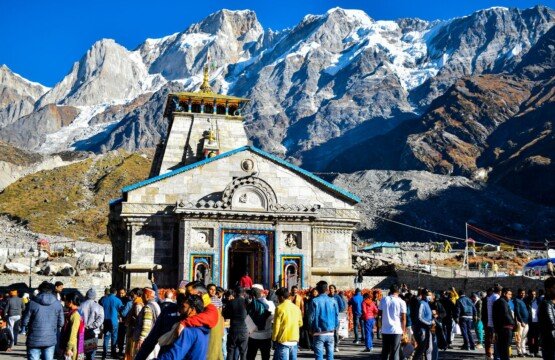
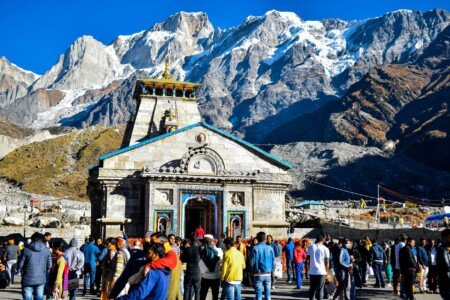
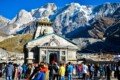
The first crucial decision in planning your Indian pilgrimage involves selecting an appropriate route and timing. India offers numerous classical pilgrimage circuits, each with distinct characteristics and seasonal considerations. The Char Dham Yatra in Uttarakhand, for instance, requires high-altitude travel and should be planned between March-June or September-November to avoid extreme weather conditions.
Similarly, the Tamil Nadu temple circuit benefits from cooler winter months (October-March) when temperatures remain pleasant for extensive walking between shrines. When evaluating route options, consider factors such as physical accessibility, available accommodations, and local religious customs. Statistical data from the Ministry of Tourism indicates that 78% of foreign pilgrims prefer winter months for their Indian spiritual journeys, citing comfort and safety as primary motivators.
Popular Pilgrimage Circuits in India
The most renowned pilgrimage circuits include the Pancha Kshetra (five sacred regions) spanning Delhi, Mathura, Vrindavan, Ayodhya, and Haridwar. The Ajanta-Ellora cave complex in Maharashtra attracts art and spiritual enthusiasts alike, while the Jain pilgrimage routes through Rajasthan and Gujarat offer unique insights into ancient philosophical traditions. Each circuit requires different preparation levels and time commitments, ranging from weekend jaunts to month-long odysseys.
Accommodation and Transportation Strategies
Securing comfortable yet spiritually appropriate accommodation forms the backbone of a successful pilgrimage experience. Government-run dharamshalas (pilgrim guesthouses) provide clean, affordable lodging near major temples and religious sites, typically maintaining strict codes of conduct that respect pilgrims’ devotional needs. Private guesthouses and heritage hotels often blend traditional architecture with modern amenities, offering comfortable rest without compromising spiritual atmosphere.
Booking accommodation well in advance becomes essential, particularly during major festivals when demand surges by 300-400%. Online platforms specializing in spiritual travel, such as MakeMyTrip’s religious package offerings, report peak bookings 60-90 days before major pilgrimage seasons. For transportation, India’s railway network connects most pilgrimage sites efficiently, while state-run bus services provide reliable surface connections. Private taxi services offer flexibility for last-mile connectivity, though budget considerations may necessitate sharing rides with fellow pilgrims.
Transportation Options and Booking Tips
Indian Railways operates specialized pilgrim trains during major festivals, featuring reserved seating and dedicated waiting areas for devotees. The Jan Shatabdi express connects Delhi to Vrindavan in just 2.5 hours, making it ideal for day-trip pilgrimages. For budget-conscious travelers, general category trains provide economical options, though advance reservation becomes critical during peak seasons. Digital ticketing through IRCTC’s mobile app has streamlined the booking process, allowing pilgrims to secure transportation while maintaining flexibility for schedule adjustments.
Health, Dietary, and Cultural Considerations
Maintaining physical and mental well-being throughout your pilgrimage requires careful attention to health protocols and dietary choices. India’s tropical climate necessitates staying hydrated with purified water, while street food presents potential digestive challenges for unaccustomed travelers. Consulting with a physician familiar with Indian conditions 4-6 weeks before departure enables appropriate vaccinations and prophylactic medications.
Dietary restrictions often form core aspects of pilgrimage practice, requiring advance communication with accommodation providers about vegetarian, vegan, or specific religious dietary requirements. Many temples provide prasad (blessed food offerings) and simple meals following traditional preparation methods. Cultural sensitivity training proves invaluable, particularly regarding dress codes, behavior expectations, and photography permissions at sacred sites. Local guides familiar with regional customs can navigate complex social protocols, ensuring respectful engagement with religious communities.
Health Preparedness and Medical Resources
Carrying a comprehensive first-aid kit including anti-diarrheal medications, oral rehydration salts, and basic wound care supplies addresses common travel ailments. India’s medical infrastructure varies significantly between urban centers and remote pilgrimage sites, making consultation with travel medicine specialists essential before departure. Pharmacies are widely available in pilgrimage towns, though maintaining adequate medication supplies prevents last-minute complications. Emergency contact numbers for local hospitals and medical facilities should be documented and easily accessible throughout your journey.
Creating Your Personalized Pilgrimage Itinerary
Developing a realistic itinerary requires balancing spiritual objectives with physical limitations and local conditions. A 10-14 day framework accommodates most major pilgrimage circuits while allowing adequate rest periods for reflection and recovery. Morning meditation sessions, typically scheduled between 5-7 AM, provide optimal spiritual engagement before daily heat intensifies and crowds become overwhelming.
Each day should incorporate buffer time for unexpected delays, particularly during monsoon seasons when road conditions may deteriorate. Digital mapping applications like Google Maps prove invaluable for navigation, though offline backup maps ensure functionality in areas with limited connectivity. Budget allocation varies significantly based on chosen accommodation standards and transportation modes, with pilgrims reporting daily expenses ranging from $25-150 depending on comfort preferences and region selection.
Sample 12-Day South Indian Temple Circuit
| Day |
Location |
Key Activities |
Accommodation Type |
| 1-2 |
Bengaluru |
Temple visits, cultural orientation |
Mid-range hotel |
| 3-4 |
Tiruvannamalai |
Girivalam circumambulation, Arunachaleswarar Temple |
Dharamshala |
| 5-6 |
Chidambaram |
Thiruchendur Temple, Nataraja worship |
Guesthouse |
| 7-8 |
Rameshwaram |
Divya Desam temples, Ramanathaswamy Temple |
Lakeside resort |
| 9-10 |
Thiruvananthapuram |
Sri Padmanabhaswamy Temple, Kanyakumari |
Heritage hotel |
| 11-12 |
Kanyakumari |
Sunrise over sea, spiritual reflection |
Beach resort |
Conclusion
Planning a comfortable pilgrimage trip in India requires thoughtful preparation across multiple dimensions including route selection, accommodation booking, health management, and cultural awareness. Success depends on balancing spiritual intentions with practical considerations, ensuring physical comfort doesn’t compromise devotional authenticity. By following this comprehensive framework, pilgrims can maximize their spiritual growth while minimizing logistical stress.
Remember that flexibility remains crucial when navigating India’s dynamic environment. Weather patterns, local festivals, and seasonal variations can significantly impact planned itineraries, requiring adaptive approaches rather than rigid schedules. Most importantly, maintain an open heart and willingness to embrace unexpected blessings that often characterize the most meaningful pilgrimage experiences. Your journey in India’s sacred landscape promises not just physical travel but profound spiritual transformation through careful preparation and sincere devotion.
Image by: Taryn Elliott

 by




Latest Comments