Ultimate Guide to Planning a Comfortable Spiritual Pilgrimage in India for Your Next Journey
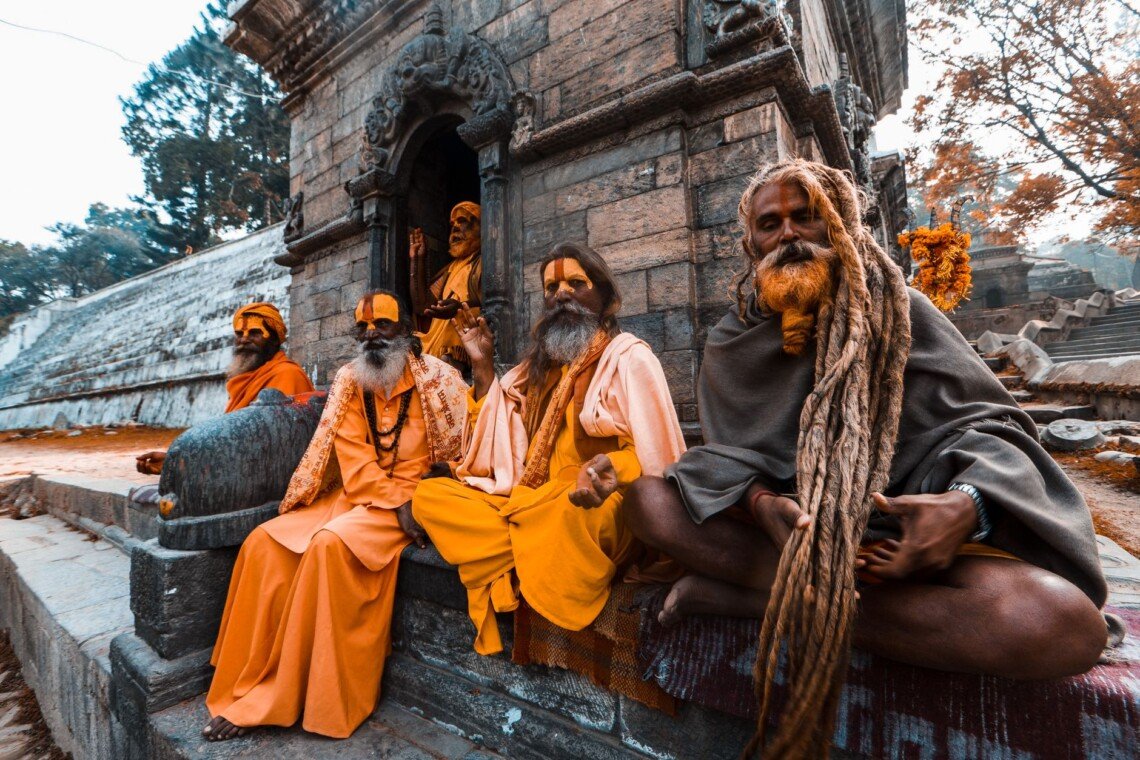
India’s spiritual landscape offers unparalleled opportunities for personal transformation and inner peace. From the ghats of Varanasi to the mountain peaks of the Himalayas, millions of pilgrims embark on sacred journeys each year seeking enlightenment, healing, and connection with the divine. However, many travelers find these profound experiences complicated by logistical challenges, cultural misunderstandings, and physical discomfort. This comprehensive guide will walk you through every essential aspect of planning a comfortable and meaningful spiritual pilgrimage in India, ensuring your journey is both transformative and enjoyable from start to finish.
Choosing the Right Pilgrimage Destinations in India
Selecting appropriate destinations forms the foundation of a successful spiritual pilgrimage in India. The country boasts numerous sacred sites, each offering unique spiritual experiences and energies. Understanding the significance and requirements of different locations helps pilgrims make informed decisions that align with their spiritual goals and physical capabilities.
The Char Dham pilgrimage represents one of Hinduism’s most significant journeys, encompassing Badrinath, Dwarka, Puri, and Jyotirmath. Each site carries distinct spiritual significance – from the serene presence of Lord Vishnu in Badrinath to the eternal Ganges in Puri. For Buddhist practitioners, the four sacred sites of Lumbini, Bodh Gaya, Sarnath, and Kushinagar offer profound connections to the Buddha’s life and teachings. Meanwhile, the Sufi pilgrimage to Ajmer Sharif Dargah provides Muslims with opportunities for spiritual reflection and devotion.
Assessing Physical Requirements and Seasonal Considerations
Many popular pilgrimage sites in India involve significant physical challenges including high-altitude trekking, steep climbs, and extended periods of standing or walking. Badrinath, situated at 3,074 meters above sea level, requires acclimatization and proper fitness levels. Conversely, coastal pilgrimage sites like Dwarka offer more accessible options for those with mobility concerns.
Seasonal timing significantly impacts pilgrimage experiences. Winter months (October-March) provide the most comfortable conditions for most northern destinations, while monsoon season (June-September) can create hazardous conditions and limited access. Summer heat (April-June) poses dehydration risks, particularly at higher elevations. Researching optimal timing ensures maximum comfort and spiritual engagement at chosen destinations.
Accommodation and Transportation Strategies for Comfort
Proper accommodation and transportation planning directly influence pilgrimage comfort levels. India offers diverse lodging options ranging from basic ashram accommodations to luxury heritage hotels, each catering to different spiritual and comfort preferences. Understanding these options allows pilgrims to balance their spiritual aspirations with practical needs.
Temple towns like Varanasi and Tiruchanur feature numerous ashrams offering simple, discipline-focused accommodation. These facilities typically include meditation spaces, communal dining, and structured daily routines conducive to spiritual practice. For those preferring modern amenities, heritage hotels in Jaipur or Goa provide comfortable surroundings without compromising the pilgrimage experience. Booking accommodations well in advance, especially during peak pilgrimage seasons, ensures availability and often better rates.
Transportation Planning and Local Mobility Options
India’s extensive railway network connects major pilgrimage destinations effectively, though booking tickets well in advance prevents disappointment. For shorter distances, comfortable AC coaches or luxury trains like the Rajdhani Express provide scenic journeys with adequate amenities. Domestic flights offer time-efficient alternatives for long distances, particularly between Delhi and destinations like Jaipur or Goa.
At destination locations, local transportation varies significantly. Auto-rickshaws and cycle-rickshaws provide convenient short-distance travel, while app-based services like Uber and Ola operate in major cities. For rural pilgrimage sites, private taxi rentals or local bus services prove most practical. Negotiating fair rates upfront and confirming vehicle availability prevents travel disruptions during sacred moments.
Mental Preparation and Spiritual Readiness Techniques
Successful spiritual pilgrimage begins with proper mental preparation and intention setting. India’s dynamic environment can overwhelm unprepared minds, making inner preparation as crucial as physical planning. Developing mindfulness practices before departure enhances receptivity to spiritual experiences and helps navigate cultural adjustments.
Setting clear intentions transforms ordinary travel into meaningful pilgrimage. Whether seeking healing, guidance, or deeper connection with the divine, written intentions serve as constant reminders of spiritual purpose. Daily meditation practice for several weeks before departure strengthens concentration and emotional stability. Learning basic breathing techniques like pranayama helps manage stress during challenging moments and enhances spiritual receptivity.
Cultural Sensitivity and Respectful Engagement
Understanding local customs and practices demonstrates respect for host communities and enhances spiritual authenticity. Researching appropriate dress codes, removal of footwear customs, and sacred space etiquette prevents unintentional offense. Learning basic greetings in local languages shows genuine interest in regional traditions.
Participating respectfully in local rituals requires sensitivity to timing and appropriate behavior. Observing rather than actively participating initially allows understanding of cultural nuances. Accepting invitations from local practitioners when appropriate opens doors to authentic spiritual experiences, though maintaining personal boundaries ensures safety and comfort throughout the journey.
Health Safety and Dietary Management During Pilgrimage
Prior health preparation ensures physical well-being throughout the spiritual journey. Consulting healthcare providers about necessary vaccinations, particularly for rural areas, prevents serious illness. Packing essential medications, including those for altitude sickness, digestive issues, and personal conditions, provides security during extended travels.
Travel insurance covering medical emergencies and evacuation proves invaluable, especially for remote pilgrimage sites. Understanding local emergency numbers and locating nearby hospitals facilitates quick response to unexpected health issues. Staying hydrated with bottled water, avoiding street food initially, and gradually building digestive tolerance help prevent common travel illnesses that could interrupt spiritual practices.
Nutritional Strategies and Dietary Adaptations
India’s diverse cuisine offers both opportunities and challenges for pilgrims. Traditional pilgrimage foods emphasize sattvic principles – light, fresh, and easily digestible preparations that support spiritual clarity. Learning to identify suitable options at local restaurants prevents digestive discomfort and maintains energy levels for daily practices.
Many ashrams provide simple vegetarian meals following religious guidelines. Packing nutritious snacks, particularly for long travel days, ensures consistent nutrition. Staying hydrated with coconut water, herbal teas, or fresh fruit juices supports wellness. Understanding fasting practices common during pilgrimage periods helps distinguish between spiritual discipline and nutritional neglect.
Financial Planning and Practical Logistics
Comprehensive financial planning prevents stress during the pilgrimage experience. Budgeting for transportation, accommodation, meals, entrance fees, and emergency expenses ensures smooth travel. Carrying some cash in local currency facilitates immediate transactions, though ATMs are increasingly available even in smaller towns.
Maintaining backup payment methods including credit cards and emergency funds provides security. Exchanging currency at authorized banks or authorized money changers prevents unfavorable rates. Keeping digital copies of important documents, including passport, visa, insurance, and accommodation confirmations, streamlines administrative processes if needed.
Technology and Communication Solutions
Staying connected with family and emergency contacts enhances safety throughout the journey. Purchasing local SIM cards from providers like Airtel or Jio offers reliable connectivity at reasonable costs. Downloading offline maps and translation applications prepares travelers for navigation challenges in unfamiliar areas.
Backing up important digital information to cloud storage prevents loss of crucial documents. Informing trusted contacts about detailed itineraries and regular check-in schedules provides additional security. Learning basic local emergency procedures and contact information ensures preparedness for unexpected situations during the sacred journey.
Conclusion
Planning a comfortable spiritual pilgrimage in India requires thoughtful consideration of multiple interconnected elements working harmoniously. By carefully selecting appropriate destinations aligned with spiritual goals, securing comfortable accommodations that support rather than hinder practices, and preparing mentally and physically for the journey’s demands, pilgrims maximize their transformative potential. Attention to health management, cultural sensitivity, and practical logistics creates foundation for authentic spiritual experiences without unnecessary hardship.
The key to successful pilgrimage lies in balancing spiritual aspirations with practical realities. Thorough preparation, flexible expectations, and genuine respect for local traditions enable travelers to embrace India’s profound spiritual energy while maintaining personal comfort and safety. Remember that the most meaningful pilgrimages often occur when external preparations support internal transformation, allowing seekers to focus entirely on their sacred purpose while experiencing India’s incomparable spiritual heritage.
Image by: Mehmet Turgut Kirkgoz

 by





Latest Comments