Mindful Aging in India: Proven Meditation Methods for Emotional Peace
As India grapples with rapid demographic shifts, the concept of mindful aging is gaining crucial importance. With the population aged 60 and above projected to reach 300 million by 2030, emotional well-being among senior citizens has become a pressing concern. Mental health challenges like depression, anxiety, and social isolation affect millions of elderly individuals across the country, often exacerbated by factors such as nuclear family migration, economic pressures, and limited access to mental health resources. However, ancient wisdom traditions present powerful solutions through meditation practices specifically adapted for modern mindful aging needs. This comprehensive guide explores evidence-based meditation methods that promote emotional peace and psychological resilience among India’s growing senior population, helping them navigate life transitions with greater ease and fulfillment.
Ancient Meditation Traditions and Their Modern Relevance
India’s rich philosophical heritage offers profound meditation techniques that have been practiced for millennia. These time-tested methods provide valuable frameworks for cultivating emotional stability and inner peace during the aging process. The integration of traditional wisdom with contemporary psychological understanding creates a unique approach to mindful aging that respects cultural values while addressing modern challenges.
Consider the experience of 72-year-old Sunita Sharma from Jaipur, who began practicing mindfulness meditation after her retirement. Within six months, she reported significant improvements in her emotional regulation and overall life satisfaction. Her story illustrates how ancient practices can be effectively adapted for contemporary elderly populations facing unique psychological challenges.
Ancient Wisdom Meets Modern Psychology
Research conducted by the National Institute of Mental Health and Neurosciences demonstrates that meditation practices originally developed in Indian monasteries align remarkably well with modern cognitive-behavioral therapy principles. The practice of mindful awareness, central to Buddhist meditation traditions, has been scientifically validated to reduce cortisol levels and improve emotional regulation among older adults.
Studies from the Centre for Ageing and Active Living show that regular meditation practice among Indian seniors leads to measurable improvements in sleep quality, reduced anxiety levels, and enhanced cognitive function. These findings bridge the gap between ancient spiritual practices and contemporary mental health interventions, offering practical pathways for emotional wellness during aging.
Simple Breathing Techniques for Daily Emotional Balance
Breath awareness meditation represents one of the most accessible and effective techniques for achieving immediate emotional relief. This practice requires no special equipment or extensive training, making it ideal for individuals with varying physical abilities and technological access levels.
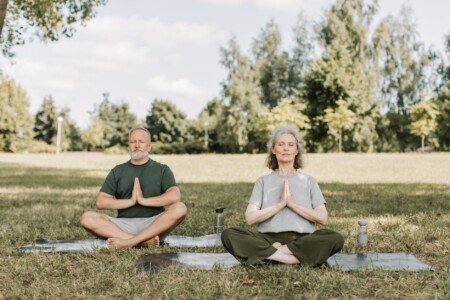
The technique involves sitting comfortably with a straight spine, closing the eyes gently, and bringing attention to the natural rhythm of breath. By observing inhalation and exhalation without attempting to control them, practitioners develop a calming anchor for managing stress and anxiety throughout the day.
Anulom Vilom: The Simple Alternate Nostril Technique
Anulom Vilom, or alternate nostril breathing, offers particular benefits for managing emotional turbulence common among aging populations. To practice, sit upright with shoulders relaxed, place the right thumb on the right nostril, and inhale slowly through the left nostril. Close the right nostril with the ring finger, then exhale through the right nostril, inhale through the right, and close it before exhaling through the left. Repeat for 5-10 minutes daily.
This technique balances sympathetic and parasympathetic nervous system activity, reducing heart rate and promoting deep relaxation. Clinical observations indicate that regular practice significantly decreases blood pressure and improves emotional stability among elderly practitioners. Begin with 5 cycles and gradually increase to 10-15 cycles as comfort allows.
Guided Visualization for Life Transition Management
Guided meditation visualization addresses the psychological challenges associated with major life transitions common during aging years. Retirement, health changes, and shifting family dynamics create unique stressors that benefit from structured mental imagery practices designed to promote acceptance and positive adaptation.
Research from the All India Institute of Medical Sciences demonstrates that structured visualization programs reduce depression scores by 40% among participants aged 60-75. These findings validate the therapeutic potential of guided imagery techniques specifically adapted for cultural contexts and aging-specific concerns.
Creating Peaceful Mental Landscapes
Developing personalized guided visualization scripts helps individuals create meaningful mental experiences that resonate with their cultural background and personal history. For example, seniors might visualize walking through familiar childhood villages, attending meaningful religious ceremonies, or spending quality time with loved ones.
The process involves finding a quiet space, closing eyes, and allowing the mind to create detailed sensory experiences. Incorporate elements like sounds, textures, temperatures, and emotions to enhance the immersive quality. Regular practice of 10-15 minutes daily builds resilience against negative thought patterns and promotes psychological flexibility during challenging transitions.
Community-Based Meditation Programs and Social Connection
Social isolation represents one of the most significant mental health risks for elderly individuals, particularly in India’s increasingly nuclear family structure. Community-based meditation programs address this challenge by combining psychological benefits with vital social interaction opportunities.
Organizations like the Art of Living Foundation and various Buddhist monasteries across India have successfully implemented senior-focused meditation groups. These programs consistently report improved mood, reduced loneliness, and enhanced quality of life among participants. The social component reinforces individual practice while creating supportive networks that extend beyond meditation sessions.
Building Supportive Meditation Communities
Establishing local meditation groups requires minimal resources but yields substantial psychological benefits. Many temples and community centers offer free meditation sessions specifically designed for elderly participants. These gatherings typically include brief instruction, guided practice, and informal discussion periods.
Success stories emerge from cities like Pune and Bangalore, where neighborhood meditation groups have formed organically through word-of-mouth recommendations. Participants often report feeling more connected to their communities while developing practical tools for managing daily stress and maintaining emotional equilibrium. These initiatives demonstrate how traditional practices can be effectively adapted for contemporary social needs.
Digital Resources and Technology Integration
The proliferation of smartphones and internet connectivity has created unprecedented opportunities for accessing meditation instruction and community support. Various applications and online platforms now offer senior-friendly meditation programs specifically designed for aging populations.
Platforms like Insight Timer and Headspace provide thousands of guided meditations, including specialized content for elderly users. Many Indian meditation teachers have also developed region-specific content addressing cultural concerns and linguistic preferences. This technological accessibility ensures that geographical barriers no longer limit access to quality meditation instruction.
Recommended Apps and Online Resources
Several meditation applications have gained particular popularity among Indian seniors. The Dharma Treasure app offers courses specifically designed for older adults, while Sadhana Foundation provides free online meditation sessions in multiple Indian languages. YouTube channels featuring respected meditation teachers continue growing in popularity among tech-savvy elderly practitioners.
Local libraries and community centers increasingly offer tablet-based meditation programs, making technology more accessible to those less familiar with digital platforms. These initiatives ensure that meditation benefits reach diverse populations regardless of technological proficiency levels.
Measuring Progress and Maintaining Long-term Practice
Consistent tracking of emotional and psychological changes helps maintain motivation for long-term meditation practice. Simple daily reflection exercises can reveal subtle improvements in mood, stress levels, and overall well-being that might otherwise go unnoticed during gradual positive transformation.
Creating personalized meditation journals allows practitioners to document insights, challenges, and progress milestones. This practice builds self-awareness while providing valuable data for adjusting techniques based on individual needs and circumstances. Regular self-assessment prevents stagnation and encourages continued growth.
Establishing Sustainable Practice Routines
Key factors for maintaining meditation practice include realistic goal-setting, flexible scheduling, and gradual progression. Starting with just 5-10 minutes daily prevents overwhelm while establishing consistent habits. Gradually increasing duration and complexity builds sustainable long-term practice patterns.
Creating designated meditation spaces at home provides physical cues for practice initiation. These environments, decorated with meaningful objects and maintained at comfortable temperatures, support focused attention and relaxation. Consistency in timing and environment strengthens neural pathways associated with calm, centered awareness.
Conclusion
Mindful aging in India requires thoughtful integration of traditional wisdom with contemporary understanding of psychological needs. The meditation methods explored in this article offer practical, culturally appropriate pathways to emotional peace and psychological resilience during later life stages. From simple breath awareness techniques to community-based practice groups, multiple entry points exist for individuals at varying comfort levels and circumstances.
The evidence clearly demonstrates that regular meditation practice produces measurable improvements in emotional regulation, stress management, and overall quality of life among Indian seniors. These benefits extend beyond individual well-being to strengthen family relationships and community connections. As India continues navigating demographic transitions, investing in accessible mental health resources becomes increasingly critical for societal flourishing.
Embracing these proven meditation methods empowers elderly individuals to approach aging with greater confidence, wisdom, and inner peace. The journey toward mindful aging begins with a single breath, supported by thousands of years of accumulated wisdom adapted for contemporary needs.
Image by: Mehmet Turgut Kirkgoz

 by





Latest Comments