50+ Years of Magic: Classic Bollywood Songs Every Senior Has in Their Heart
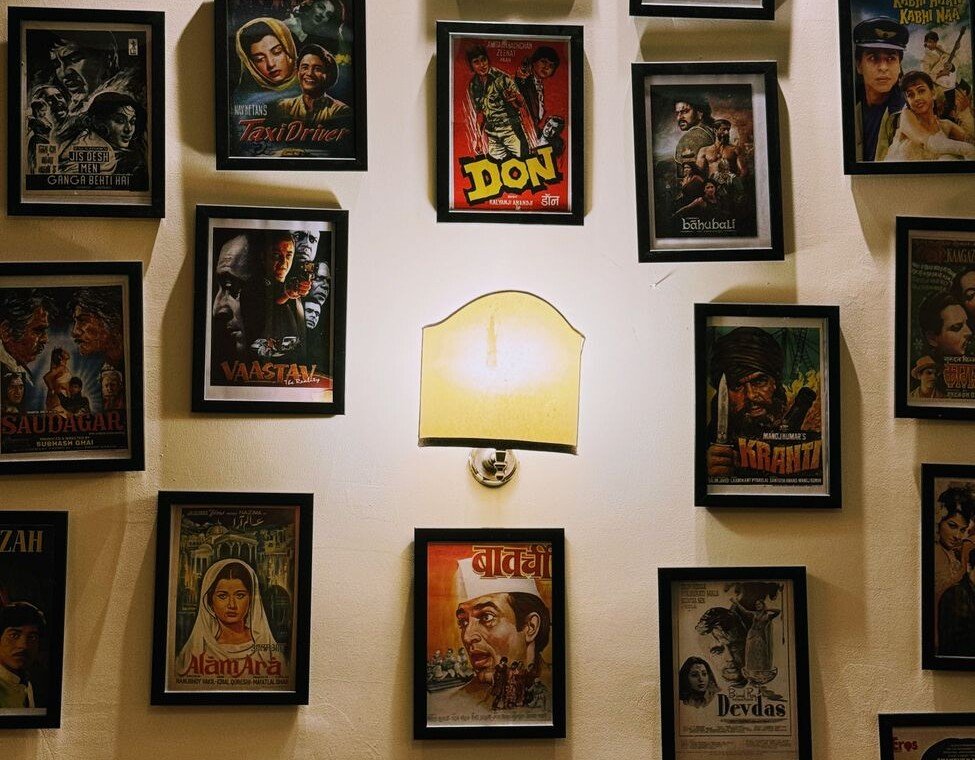
When the first notes of a timeless melody drift through the air, do you find yourself transported back to a simpler time? For seniors who grew up during Bollywood’s golden era, certain songs are more than just music – they are keys to memories, emotions, and shared cultural experiences that span generations. These classic tracks represent decades of artistic evolution, featuring legendary playback singers like Kishore Kumar, Lata Mangeshkar, and Mohammed Rafi, whose voices still echo in living rooms across India and beyond. Music has the unique power to bridge gaps between past and present, connecting grandparents with grandchildren through shared moments of nostalgia. If you’re searching for a playlist that captures the essence of Bollywood’s most cherished musical heritage, this comprehensive guide will take you on a journey through the songs that defined eras, sparked romance, and became the heartbeat of Indian Popular Culture.
The Golden Era of Bollywood Music: Understanding Musical Legacy
The period between 1950 and 1980 represents what many consider the golden era of Bollywood music, characterized by intricate compositions, classical influences, and storytelling through song. During these decades, music directors like S.D. Burman, R.D. Burman, and Shankar-Jai-Kishor created timeless classics that transcended regional boundaries and language barriers. The industry operated on a different model where music was treated as an art form rather than just a promotional tool, leading to songs that were crafted with meticulous attention to detail and emotional depth.
According to film historian Madanjeet Singh, “The 1950s and 1960s marked a period where melody took precedence over rhythm, and songs were composed as standalone entities that could exist independently of their films.” This approach resulted in an unprecedented number of songs that achieved cult status and continued to be celebrated decades later. The playback singing system, perfected during this era, allowed actors to lip-sync to professionally rendered vocals that often surpassed the original performers in expressive range and technical ability.
Key Characteristics of Classic Bollywood Melodies
Classic Bollywood songs from this period typically featured classical ragas integrated into contemporary compositions, creating a unique fusion that appealed to both traditional and modern audiences. The use of live orchestras with instruments like the sitar, tabla, and harmonium added authenticity and richness to the musical arrangements. Lyricists of this era, including Anand Kohli, Gulzar, and Sahir Ludhianvi, wrote poetic verses that captured universal emotions while maintaining a distinctly Indian sensibility.
The storytelling aspect of these songs was paramount, with each track serving as a mini-narrative that could stand alone while complementing the larger film plot. Romantic songs often featured extended musical sequences that allowed singers to showcase their vocal range and emotional expression, creating iconic moments that audiences would replay for years to come.
Timeless Romantic Classics That Defined Love
Romantic melodies from classic Bollywood represent perhaps the most enduring category of songs that continue to resonate with senior audiences today. These tracks captured the essence of first love, unrequited affection, and eternal romance through melodies that remain instantly recognizable across generations. Songs like “Aayega Aanewala” from Black India (1958) and “Mera Joota Hai Japani” from Shree 420 (1955) exemplify the poetic sophistication and musical brilliance that characterized this genre.
The chemistry betweenplayback singers and their legendary composers created an irreplaceable magic that modern technology struggles to replicate. Mohammed Rafi’s rendition of “Kala Ki Duniya Mein” and Lata Mangeshkar’s haunting “Ajeeb Dastak Hai” demonstrate how vocal expression could convey complex emotions that dialogue alone could not express. These songs often featured elaborate choreography and cinematography that elevated them beyond mere soundtracks into full artistic statements.
Iconic Love Songs Every Senior Knows By Heart
- “Tumhe Dill Hai” from Anari (1959)
- “Phir Phir Se” from Chaudhvin Ka Chand (1960)
- “Mere Sapne” from Raag Bhairavi (1961)
- “Aandalee Apna Bhalu” from Saheb Bibi Aur Ghulam (1962)
- “Dooba Dooba” from Jewel Thief (1967)
- “Jeevan Ke Jeevan” from Guide (1965)
- “Pyar Hua Iqbal Hua” from Sholay (1975)
- “Lag Jage Sa” from Waqt (1965)
Devotional and Patriotic Anthems That Inspire Pride
Beyond romantic narratives, classic Bollywood also gifted India with devotional and patriotic songs that stirred collective consciousness and national pride. These tracks often featured grand orchestration and lyrics that emphasized duty, sacrifice, and spiritual enlightenment. Songs like “Vande Mataram” adaptations and “Maa Tujhe Salaam” established a template for musical nationalism that continues to influence contemporary Indian cinema.
The spiritual dimension of these songs drew heavily from classical devotional traditions, incorporating bhajans and kirtans into filmi melodies. Playback singer Lata Mangeshkar’s rendition of “Aisha Piya Aisha” and Kishore Kumar’s “Om Jai Jagdish Hare” demonstrate how devotional content could be seamlessly woven into popular entertainment formats.
| Song Title |
Year |
Playback Singer |
Significance |
| “Aandalee Apna Bhalu” |
1962 |
Lata Mangeshkar |
Spiritual devotion |
| “Mathura Wah Wah” |
1963 |
Shamshad Begum |
Patriotic devotion |
| “Maa Tujhe Salaam” |
1965 |
Kishore Kumar |
National pride anthem |
| “Raghupati Raghav Raja Ram” |
1969 |
Multiple artists |
Spiritual unity |
Spiritual Melodies That Connect Hearts
Devotional songs from the classic era often incorporated traditional instrumentation and classical ragas, creating a sense of spiritual elevation that resonated deeply with audiences. These tracks frequently featured male-female duets that balanced worldly romance with divine love, reflecting the philosophical underpinnings of Indian spirituality. The use of tabla and sitar in songs like “Kishore Aage Bole” created atmospheric qualities that enhanced the meditative aspects of these compositions.
Regional variations in devotional music saw the emergence of folk-inspired bhajans that incorporated local languages and cultural practices. Songs like “Ganga Jahan Ganga” from National Dance (1966) demonstrated how environmental consciousness and reverence for nature could be expressed through musical storytelling, establishing themes that would later influence the environmental movement in Indian cinema.
Upbeat Dance Numbers and Social Commentary
The energetic dance numbers of classic Bollywood represented more than entertainment – they served as vehicles for social messaging and cultural commentary wrapped in infectious rhythms. These songs often addressed themes of women’s empowerment, social justice, and urban transformation while maintaining the glamour and excitement that drew audiences to theaters. Numbers like “Disco Dancer” from Disco Dancer (1982) and “Jimmy Jimmy Aaja” from Boy Friend (1972) showcased how musical genres could evolve while retaining core emotional appeal.
These tracks frequently featured innovative choreography that broke away from traditional Kathak and Bharatanatyam influences, incorporating Western dance styles with indigenous movements. The fusion approach appealed to younger generations while maintaining connections to classical traditions through musical arrangements and costume design elements.
Iconic Dance Tracks That Defined Movements
- “Disco Dancer” – Mithun Chakraborty’s performance sparked a nationwide dance craze
- “Jimmy Jimmy Aaja” – Bridged generational gaps in urban nightlife culture
- “Zingar Zingar” – Established item numbers as a legitimate entertainment format
- “Poocho Poocho” – Demonstrated how comedy could be integrated with musical sequences
- “Dheemi Dheemi” – Showed how romantic tension could drive dance choreography
Legacy and Influence on Modern Music Industry
The musical innovations pioneered during Bollywood’s golden era continue to influence contemporary composers, singers, and filmmakers who recognize the timeless quality of well-crafted melodies. Modern artists frequently sample or reference classic tracks, creating bridges between generations while honoring the foundational work of earlier pioneers. The emphasis on story-driven songs has seen resurgence in recent years as audiences seek meaningful content beyond superficial entertainment.
Streaming platforms have inadvertently revitalized interest in these classics, with younger listeners discovering the sophisticated composition techniques and emotional depth that characterized the golden era. Music apps report increased plays for classic Bollywood tracks, particularly among demographics who initially dismissed the genre as outdated but later appreciated its artistic merit through repeated exposure.
Modern Artists Carrying the Torch Forward
Contemporary composers like A.R. Rahman, Pritam, and Amit Trivedi frequently incorporate classical ragas and traditional instrumentation into their work, directly citing golden era influences as primary inspirations. Playback singers such as Shreya Ghoshal and Arijit Singh study the techniques of their predecessors to maintain vocal authenticity while bringing new interpretative dimensions to classic compositions.
The educational value of these songs extends beyond entertainment, with music therapy professionals utilizing classic Bollywood tracks to help elderly patients reconnect with positive memories and emotional well-being. Research conducted by the National Institute of Mental Health and Neurosciences indicates that familiar melodies from one’s youth can trigger dopamine release and improve cognitive function in seniors suffering from dementia-related conditions.
Conclusion: Preserving Musical Heritage for Future Generations
The classic Bollywood songs discussed in this article represent more than mere entertainment – they embody decades of cultural evolution, artistic innovation, and emotional expression that continue to shape contemporary Indian society. For seniors who lived through these transformative periods, these melodies serve as audible museums preserving the sounds, sentiments, and social contexts of bygone eras. Each song carries within it the fingerprints of legendary composers, poets, and performers whose collective contributions created an irreplaceable cultural treasure.
Understanding and sharing these musical legacies becomes increasingly important as technology evolves and generational gaps widen between those who experienced these songs firsthand and younger audiences discovering them through digital platforms. Creating family playlists that include these timeless classics allows parents and grandparents to share their cultural heritage while introducing children to the sophisticated musical craftsmanship that defined an entire generation of Indian cinema.
Image by: Mehul

 by







Latest Comments