Healing Yoga Postures for Arthritis – Safe and Effective Gentle Practices
Arthritis affects over 500 million people worldwide, causing pain, stiffness, and limiting daily activities. While conventional treatments provide relief, many sufferers seek natural alternatives to complement their therapy. Yoga offers a promising solution, combining gentle movement with mindfulness to reduce symptoms and improve quality of life. This comprehensive guide explores arthritis-friendly yoga postures that prioritize safety and effectiveness. You will learn evidence-based practices specifically designed for joint-sensitive bodies, understand proper alignment techniques, and discover how to modify poses for individual limitations. Whether you’re new to yoga or returning after a flare-up, these carefully selected practices can help restore mobility and bring lasting relief to your joints.
Understanding Arthritis and Yoga Benefits
Before diving into specific postures, it’s essential to understand how yoga interacts with arthritis symptoms. The condition involves inflammation of joint linings, leading to pain and reduced range of motion. Research published in the Journal of Clinical Rheumatology found that regular gentle yoga practice can significantly reduce arthritis pain and improve functional ability. The practice works through multiple mechanisms: gentle stretching increases circulation, strengthening supports weakened muscles around joints, and breathing techniques activate the parasympathetic nervous system to reduce inflammation.
Studies show that consistent yoga practice can decrease inflammatory markers by up to 25 percent while improving joint flexibility measurably. For arthritis sufferers, the key lies in choosing appropriate intensity levels and avoiding positions that compress or stress affected joints. The therapeutic approach focuses on maintaining comfortable ranges of motion rather than achieving perfect alignment.
Types of Arthritis and Yoga Considerations
Different arthritis types require varied approaches. Osteoarthritis, the most common form, involves joint degeneration and typically benefits from strengthening-focused sequences. Rheumatoid arthritis, an autoimmune condition, requires extra caution during flare-ups and emphasizes gentle range-of-motion work. Psoriatic arthritis and ankylosing spondylitis each present unique challenges that need thoughtful modification.
Understanding your specific condition helps determine appropriate practice intensity. Morning stiffness lasting more than 30 minutes may indicate the need for longer warm-up periods. Working with a qualified instructor familiar with arthritis is highly recommended for personalized guidance.
Essential Gentle Yoga Postures for Arthritic Joints
The following postures provide excellent starting points for arthritis-friendly practice. Each pose prioritizes joint safety while promoting circulation and gentle stretching. Remember to move within comfortable ranges and use props liberally.
Surya Namaskar A (Modified Sun Salutation) Begin in standing mountain pose with feet hip-width apart. Step forward into a low lunge instead of deep forward fold. Raise arms overhead rather than reaching toward toes. This modification reduces compression on knees and spine while maintaining beneficial movement patterns.
Balasana (Child’s Pose) with Support Kneel on a folded blanket to cushion joints. Spread knees wide, sit back on heels, then fold forward resting forehead on a bolster. This position gently stretches the spine and hips without stressing knees. Place a pillow between knees for added comfort.
Adho Mukha Svanasana (Downward Facing Dog) Modification From tabletop position, lift hips up and back, creating an inverted V-shape. Keep knees slightly bent and heels lifted off the ground. This variation provides inversion benefits while protecting sore wrists and shoulders.
Seated and Supine Options
For days when standing is uncomfortable, seated and supine poses offer excellent alternatives. Sit bones pressing into floor with gentle spinal twist helps maintain spinal mobility. Knees to chest in supine position provides gentle hip and low back stretching. Butterfly pose with support using blocks under knees reduces pressure on sensitive joints.
These accessible options ensure you can maintain practice consistency regardless of daily symptom fluctuations.
Therapeutic Sequences for Daily Practice
Creating effective routines doesn’t require complex sequences. Simple, consistent practices often yield better results than sporadic intensive sessions.
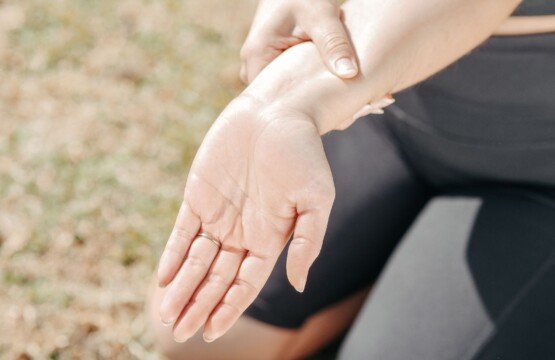
Morning Flow (15-20 minutes) Start with 3-5 minutes of gentle joint mobilization – ankle circles, wrist rolls, shoulder shrugs. Progress through modified sun salutations, focusing on smooth transitions rather than depth of stretch. End with 5 minutes in supported child’s pose or legs-up-the-wall position.
Evening Routine (10-15 minutes) Emphasize relaxation and recovery. Include gentle twists, hip openers, and final relaxation. The legs-up-the-wall pose specifically improves circulation and reduces swelling in lower extremities.
| Time of Day |
Duration |
Focus Areas |
Key Benefits |
| Morning |
15-20 minutes |
Spine mobility, joint activation |
Wake up joints, reduce stiffness |
| Evening |
10-15 minutes |
Full body relaxation, recovery |
Reduce inflammation, promote healing |
Consistency trumps duration when managing chronic conditions. Even 10-minute daily practices can produce meaningful improvements over time.
Safety Protocols and Modification Strategies
Safety must remain paramount when practicing yoga with arthritis. Several fundamental principles protect vulnerable joints while maximizing therapeutic benefits.
Listen to Your Body Pain vs. discomfort distinction is crucial. Discomfort indicates stretching; sharp or worsening pain signals you should stop immediately. Temperature changes can affect joint sensitivity – practice in comfortably warm rooms.
Use Props Strategically Blocks, blankets, and bolsters provide support while reducing strain. Place blocks under hands in standing poses to avoid deep wrist flexion. Use blankets under knees in kneeling poses to cushion sensitive joints. Bolsters under supported postures help maintain proper alignment without effort.
Modify Within Poses Every posture offers multiple entry points. In triangle pose, keep torso upright rather than folding forward. In Warrior poses, reduce front leg bend depth. In cobra pose, practice bhujangasana on elbows instead of full press-up.
Red Flag Positions to Avoid
Certain movements consistently increase arthritis symptoms. Avoid deep knee flexion beyond 90 degrees, especially in weight-bearing positions. Skip poses requiring extreme external rotation of hips or shoulders. Never force joints through end-range positions.
During flare-ups, prioritize restorative over active poses. Gentle range-of-motion work in supine position often proves more beneficial than attempting full practice sequences.
Creating a Sustainable Home Practice
Establishing lasting change requires practical strategies that accommodate real-life challenges. Making your practice accessible and enjoyable increases adherence rates significantly.
Set Up a Dedicated Space Designate a quiet corner with yoga mat, props, and comfortable temperature control. Natural light and minimal distractions enhance focus. Keep equipment visible and easily accessible to encourage spontaneous practice.
Track Progress Meaningfully Notice improvements in morning mobility, reduced evening stiffness, or increased confidence attempting previously difficult activities. Simple journaling about energy levels, mood, and symptom patterns reveals practice benefits beyond what scales or measurements show.
Build Community Support Connect with others through online arthritis yoga groups, local classes, or social media communities. Sharing experiences normalizes challenges and provides motivation during difficult periods. Many instructors offer specialized classes for chronic conditions – don’t hesitate to inquire.
Remember that healing takes time and patience. Approach each practice session as an opportunity to honor your body’s capabilities rather than punish its limitations. Small, consistent efforts compound into significant improvements in joint health and overall wellbeing.
Image by: Yan Krukau

 by
by 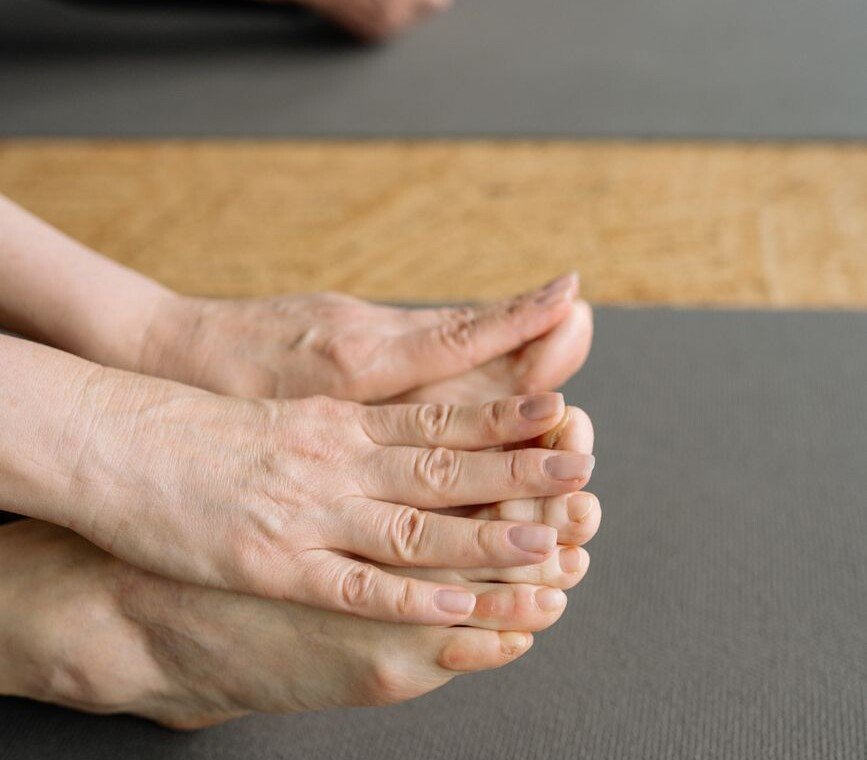




Latest Comments