Gentle Yoga Poses for Arthritis Relief – A Complete Guide to Pain-Free Movement
Millions of people worldwide struggle with the persistent aches and stiffness that come with arthritis, often feeling trapped in a cycle of pain and limited mobility. The condition affects joints in various ways, making everyday activities feel like insurmountable challenges. While medical treatments provide essential relief, many individuals seek complementary approaches to enhance their well-being and regain confidence in their bodies. Gentle yoga offers a promising avenue for natural arthritis management, combining mindful movement with breath awareness to reduce inflammation and improve joint function. This comprehensive guide will walk you through safe, effective yoga poses specifically designed to alleviate arthritis symptoms while building strength and flexibility. You’ll discover how to modify traditional poses for comfort, create a sustainable practice routine, and understand which techniques work best for different types of arthritis. By the end, you’ll have the knowledge to move pain-free and reclaim your vitality through yoga’s healing embrace.
Understanding Arthritis and How Yoga Provides Relief
Arthritis encompasses over 100 different conditions affecting joints, with osteoarthritis and rheumatoid arthritis being the most common forms. Osteoarthritis develops gradually as cartilage wears down, while rheumatoid arthritis is an autoimmune condition causing joint inflammation. Both can lead to pain, swelling, and reduced range of motion, particularly in hands, wrists, spine, hips, and knees. Research published in the Journal of Clinical Rheumatology found that regular gentle yoga practice can significantly reduce arthritis pain and improve functional ability in patients. The key lies in yoga’s ability to increase circulation, strengthen supporting muscles, and promote relaxation responses that counteract stress-related inflammation.
Scientific studies demonstrate that yoga helps arthritis sufferers by improving joint flexibility by 20-30 percent on average, according to research from the Arthritis Foundation. Additionally, the mindful aspect of yoga practice helps reduce anxiety and depression, which often accompany chronic pain conditions. When selecting yoga poses for arthritis relief, focus on gentle stretches that don’t compress joints, strengthening exercises that support affected areas, and relaxation techniques that promote healing. Avoid poses that require deep twisting, extreme bending, or bearing weight on weakened joints.
Types of Arthritis and Their Yoga Considerations
Osteoarthritis patients benefit most from low-impact stretching and strengthening sequences that emphasize proper alignment. Rheumatoid arthritis requires even gentler approaches, focusing on range-of-motion exercises performed within comfortable limits. Psoriatic arthritis may respond well to consistent, moderate routines that avoid inflaming already sensitive joints. Each type demands modifications based on individual tolerance levels and specific joint involvement patterns.
Essential Gentle Yoga Poses for Arthritis Sufferers
Starting your practice with foundational poses ensures safety while building confidence in movement. These carefully selected positions address common arthritis trouble spots including wrists, knees, and spine while maintaining joint integrity throughout each movement sequence.
Seaside Pose (Ardha Matsyendrasana) Modification
This spinal twist variation offers numerous benefits for arthritis sufferers by gently mobilizing the thoracic spine and relieving pressure on lower back joints. Begin seated on a firm cushion or folded blanket to support your hips and knees. Sit tall with legs extended forward, then bend your right knee and place your right foot outside your left thigh. Gently lean forward, using your left hand to guide your right knee deeper into the pose while your right hand supports your back. Keep your shoulders relaxed away from your ears. Breathe deeply for 5-8 breaths, then slowly return to center and repeat on the opposite side. This modified version reduces strain on the knee while maximizing spinal rotation benefits.
Supported Bridge Pose (Setu Bandha Sarvangasana) with Props
Bridge pose strengthens the glutes, hamstrings, and lower back muscles without compressing joints when supported properly. Lie on your back with knees bent and feet flat on the floor hip-width apart. Place a firm block or stacked blankets under your sacrum for support, adjusting height based on comfort level. Rest your arms comfortably at your sides or extend them overhead. Stay in this position for 3-5 minutes, allowing gentle backbending properties to release tension while strengthening supporting musculature. This pose is particularly beneficial for those with knee arthritis as it avoids weight-bearing on affected joints.
Chair Pose Modification (Utthita Kucha Bhujangasana)
Modified chair pose builds leg strength essential for joint support while maintaining alignment safety. Stand behind a sturdy chair, grasping the backrest for balance. Step your feet hip-width apart and gently bend your knees, lifting your hips slightly as if sitting into an invisible chair. Keep your weight evenly distributed between both feet, avoiding excessive pressure on any single joint. Hold for 3-5 breaths, then slowly straighten up. Repeat 5-8 times, focusing on proper form rather than depth of movement.
Child’s Pose Variation (Balasana) with Side Stretch
Traditional child’s pose provides excellent lower back and hip relief for arthritis sufferers, while the side stretch variation adds gentle spinal mobilization. Kneel on the floor with big toes touching and sit back on your heels. Fold forward, extending your arms forward or placing them alongside your body. For the side stretch variation, walk your hands to the right, allowing your left ear to rest on the floor while reaching gently to the left. Hold for 5-8 breaths, then return to center and repeat on the opposite side. This pose requires no joint compression and allows natural relaxation response activation.
Wrist-Stretching Sequence
Rheumatoid arthritis and hand osteoarthritis particularly benefit from specific wrist exercises performed daily. Extend one arm forward, palm up, then gently pull back on your fingers and wrist with the opposite hand. Hold for 15-20 seconds, then release. Rotate your wrists in circular motions 10 times in each direction. Make fists loosely and then spread your fingers wide, repeating 10 times. These micro-movements maintain circulation and prevent stiffness buildup throughout the day.
Creating Your Safe Practice Routine
Developing a consistent yet flexible routine ensures steady progress without overwhelming sensitive joints. Start with just 10-15 minutes per session, gradually increasing duration as tolerance improves. Focus on quality over quantity, paying close attention to how each movement feels in your specific arthritis-affected areas.
Choose a well-ventilated, quiet space where you won’t be interrupted during practice. Use props liberally including blocks, blankets, and bolsters to provide support rather than force. Keep water nearby and practice on an empty stomach or at least 2 hours after eating. Listen carefully to your body signals – any sharp pain indicates you should modify or exit the pose immediately.
Weekly Practice Schedule
| Day |
Focus Area |
Duration |
Key Poses |
| Monday |
Full Body Gentle Flow |
15 minutes |
Sun Salutations modified, Cat-Cow, Child’s Pose |
| Tuesday |
Upper Body & Hands |
12 minutes |
Wrist stretches, Shoulder rolls, Seated twists |
| Wednesday |
Lower Body Focus |
15 minutes |
Supported Bridge, Knee stretches, Leg lifts |
| Thursday |
Restorative Practice |
20 minutes |
Corpse Pose with blankets, Gentle breathing |
| Friday |
Mobility Sequence |
15 minutes |
Standing poses, Neck stretches, Side bends |
| Saturday |
Flexibility Focus |
18 minutes |
Slow stretching, Deep breathing, Meditation |
| Sunday |
Rest Day or Light Movement |
10 minutes |
Walking, Gentle stretching, Relaxation |
Advanced Techniques and Long-term Benefits
As your practice develops, explore advanced modifications that continue challenging your body appropriately while respecting arthritis limitations. These techniques amplify yoga’s therapeutic effects and help maintain long-term improvements in joint health and pain management.
Pranayama for Inflammation Reduction
Controlled breathing practices effectively reduce systemic inflammation and stress hormones that worsen arthritis symptoms. Practice alternate nostril breathing (Nadi Shodhana) for 5-10 minutes daily, inhaling through one nostril while exhaling through the other, then switching sides. This balancing technique calms the nervous system while promoting healing hormone release. Another effective method involves calculating breath ratios – for example, inhaling for 4 counts, holding for 4, then exhaling for 6 counts to activate the parasympathetic response.
Consistent practice yields measurable improvements within 6-8 weeks, with many practitioners reporting 25-40 percent reductions in pain scores and increased functional capacity. Research from Harvard Medical School indicates that regular gentle yoga practice can modify inflammatory markers like C-reactive protein levels, providing objective evidence of systemic benefits beyond symptomatic relief.
Progress Tracking and Goal Setting
Maintain a simple journal documenting your arthritis symptoms before and after each practice session. Note improvements in range of motion, reductions in morning stiffness duration, and overall energy levels. Set realistic monthly goals such as increasing hold times by 30 seconds or adding one new pose to your repertoire. Celebrate small victories along the way – consistency matters more than perfection in arthritis management.
When to Seek Professional Guidance
Consult with healthcare providers before beginning any new exercise program, especially if you have severe arthritis or other medical conditions. Physical therapists trained in yoga therapy can provide personalized modifications and ensure you’re practicing safely. Look for instructors certified through programs like Yoga Therapy Alliance or the International Association of Yoga Therapists for specialized expertise in working with arthritis populations.
Conclusion
Gentle yoga practice offers arthritis sufferers a powerful tool for managing pain, improving mobility, and enhancing overall quality of life. By starting slowly, using props appropriately, and focusing on consistent daily movement, you can experience significant relief from arthritis symptoms while building strength and flexibility naturally. Remember that progress takes time – celebrate small improvements and listen attentively to your body’s wisdom throughout this healing journey.
The poses and routines outlined in this guide provide a solid foundation for safe, effective arthritis management through yoga. With regular practice, most individuals notice improved joint comfort within weeks and substantial functional improvements within months. Combine these gentle techniques with proper medical care and lifestyle modifications for optimal results. Your path to pain-free movement begins with a single mindful breath and the courage to try something new for your well-being.
Image by: Kindel Media

 by
by 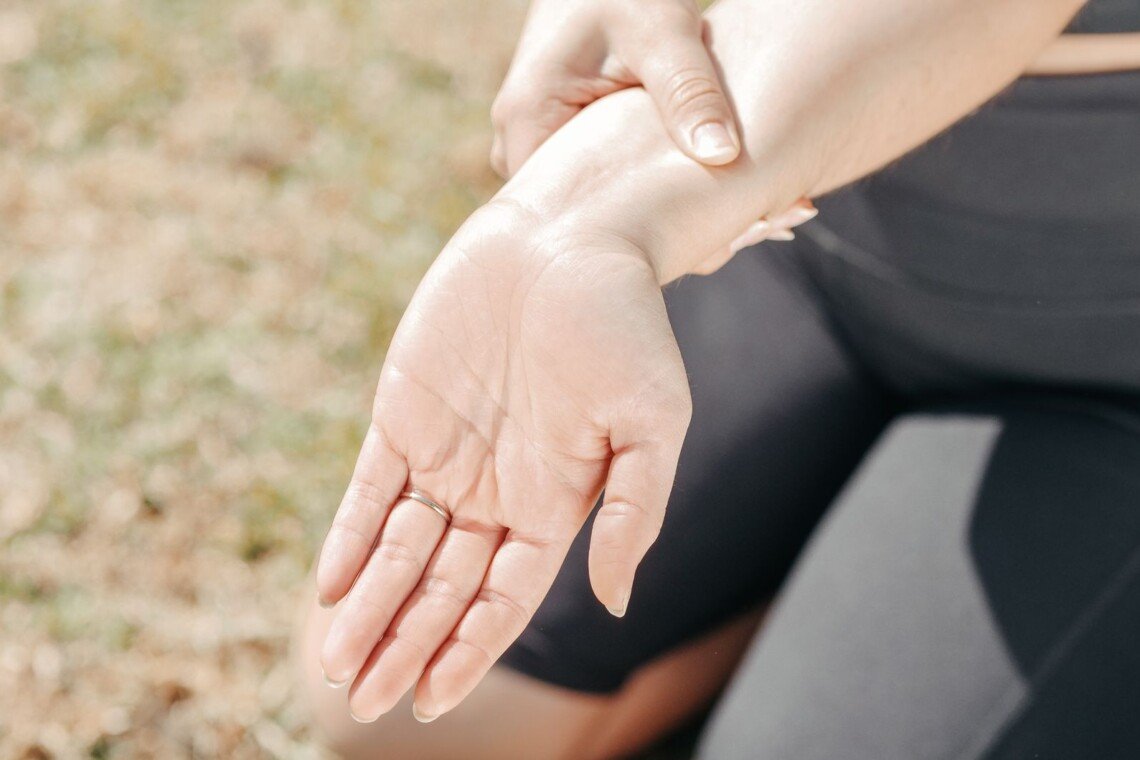




Latest Comments