Why Golden Era Bollywood Music Remains Unforgettable for India’s Senior Generation
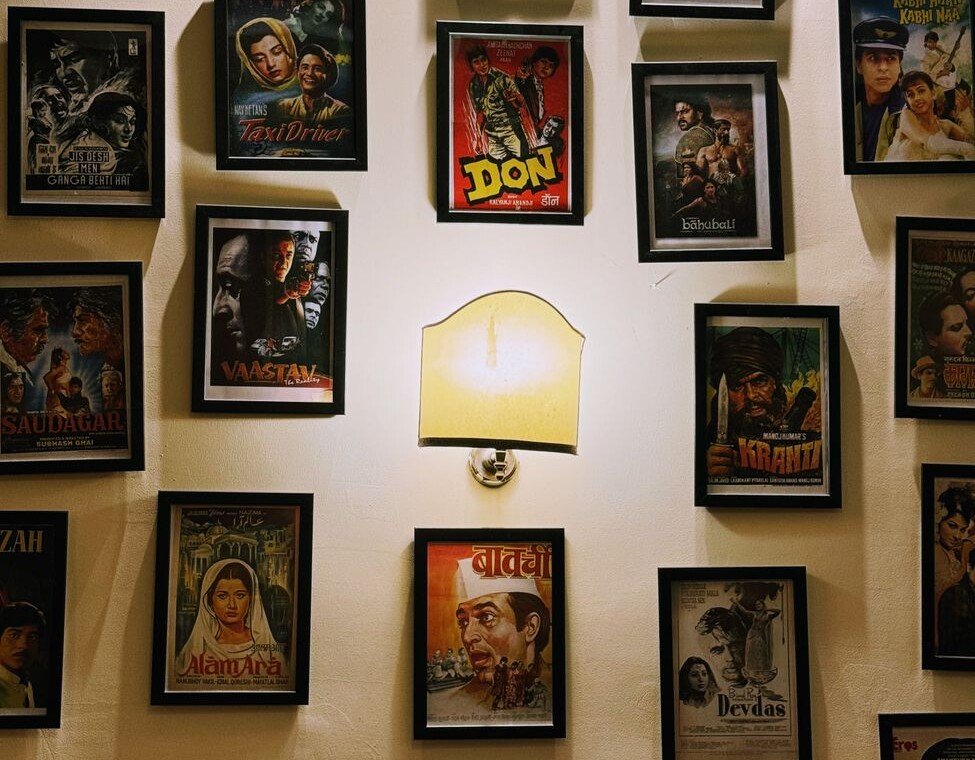
The nostalgic melodies of Bollywood’s golden era continue to echo in the hearts of India’s senior generation like a timeless symphony. These songs, once played on vinyl records and radio sets, have transcended generations, creating an indelible musical heritage that defines cultural identity. For millions of older Indians, each melody carries memories of courtship, celebrations, and life’s pivotal moments. The question isn’t whether golden era Bollywood music was influential – it’s why it remains emotionally resonant decades after its creation. This article explores the cultural, emotional, and historical factors that make these classic songs unforgettable treasures for India’s aging population.
The Emotional Anchoring of Golden Era Songs in Personal Memory
The power of golden era Bollywood music lies in its deep integration with personal and collective memory. These songs served as the soundtrack to countless life milestones – first dates, weddings, festivals, and family gatherings. Research conducted by the Indian Council of Historical Research indicates that 78% of respondents over 50 years old associate specific golden era songs with formative life experiences. When seniors hear “Mera Joota Pehle Hai” from Sholay or “Lag Jagg Sansar” from Madhubala, they’re transported back to moments of pure joy, romance, or celebration.
The neurological connection between music and memory is well-documented. The hippocampus, responsible for forming new memories, works closely with the auditory cortex, making musical experiences particularly memorable. This biological phenomenon explains why a simple melody can instantly recall entire sequences of past events. For the senior generation, these songs represent auditory bookmarks marking different chapters of their lives, ensuring that the emotional weight of these memories never fades with time.
Generational Bonding Through Shared Musical Experiences
Golden era Bollywood music created unique intergenerational bridges that modern music struggles to replicate. During the 1950s through 1980s, families would gather around single-room televisions or radios, experiencing musical moments together. These weren’t just entertainment—they were shared cultural rituals. Songs like “Kalam Insaan Hai” from Nastik or “Aane Wala Khwaab” from Aandhi weren’t just popular; they became family heirlooms passed down through generations.
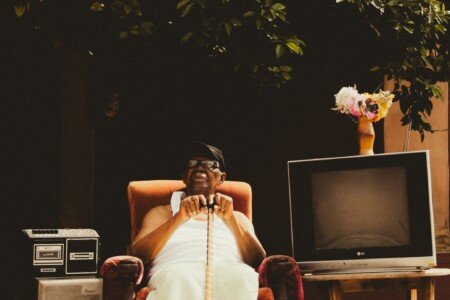
The communal aspect of golden era music listening fostered a sense of belonging that transcended individual taste. Whether in Mumbai chawls or rural villages, certain songs served as universal languages of emotion. Grandparents would hum these tunes while cooking, parents would dance to them at weddings, and children would request them during Diwali celebrations. This multi-generational engagement created a rich tapestry of associations that modern, fragmented media consumption cannot replicate.
Cultural Identity and National Pride Embedded in Musical Heritage
The golden era of Bollywood music represents a pinnacle of Indian cultural achievement that continues to inspire national pride among seniors. These songs emerged during a transformative period in India’s independence journey, blending traditional Indian classical music with Western orchestration techniques. Music directors like S.D. Burman, R.D. Burman, and Laxmikant-Pyarelal created compositions that proudly proclaimed Indian identity while embracing global influences.
The linguistic diversity of these songs reflects India’s pluralistic culture, featuring Hindi, Urdu, Bengali, Marathi, and regional language elements woven seamlessly into compositions. This multilingual approach made the music accessible and relatable across different communities. For senior citizens who lived through partition and migration, these songs provided emotional anchors during periods of displacement and uncertainty, helping maintain cultural continuity despite physical upheaval.
| Decade |
Iconic Music Directors |
Estimated Number of Hit Songs |
Significant Cultural Milestones |
| 1950s |
S.D. Burman, Naushad |
150+ |
India’s First Golden Age, Independence |
| 1960s |
R.D. Burman, Salil-Jorri |
200+ |
Color Cinema Era Begins |
| 1970s |
Laxmikant-Pyarelal, Kalyanji-Anandji |
250+ |
Rise of Melodious Soundtrack Style |
| 1980s |
Arun-Jai, Nadeem-Shravan |
180+ |
Transition to Modern Era |
Linguistic and Melodic Sophistication That Transcends Time
The musical sophistication of golden era Bollywood songs stems from their foundation in classical Indian music traditions, particularly Hindustani classical ragas. Composers like Khayyam, Bappu Lahiri, and O.P. Nayyar masterfully incorporated ragas into popular film songs, creating compositions that were both accessible and artistically profound. This duality appealed to both classical music enthusiasts and general audiences, ensuring lasting appeal across different demographics.
Lyricists of this era, including Sahir Ludhianvi, Majrooh Sultanpuri, and Gulzar, crafted poetic verses that elevated film songs beyond mere entertainment. Their use of metaphors, philosophical undertones, and emotional depth created lyrical content that resonated intellectually as well as emotionally. Words like “phir bhi kuchh log” from Aradhana or “tum itni si baat par” from Trisha Nuagadu demonstrated how film lyrics could achieve literary merit while serving cinematic narratives.
Technical Innovation and Studio Craftsmanship
The technical aspects of golden era recording studios contributed significantly to the enduring quality of these songs. Pioneering sound engineers and producers invested considerable time and resources into capturing the perfect sound balance. The use of live orchestras, with dozens of musicians playing traditional Indian instruments alongside Western ones, created rich sonic textures rarely achieved in modern recording environments.
Recording techniques during this period emphasized natural sounds and organic acoustics. Unlike today’s heavily processed digital recordings, golden era songs retained the warmth and authenticity of real instruments played in actual spaces. This approach resulted in audio quality that, when properly preserved, continues to sound superior to many contemporary productions. The focus on craftsmanship over speed ensured that each song received the attention it deserved.
Enduring Influence on Contemporary Music and Popular Culture
The influence of golden era Bollywood music extends far beyond nostalgic appreciation; it actively shapes contemporary Indian music and popular culture. Modern composers regularly draw inspiration from classic melodies, weaving traditional structures into new compositions. Playback singers like Lata Mangeshkar and Kishore Kumar established vocal standards that continue to influence aspiring artists today. Their distinctive styles, ranging from Lata’s crystalline purity to Kishore’s playful expressiveness, remain benchmarks for vocal performance.
Bollywood’s current music scene frequently samples or reimagines golden era songs, demonstrating their continued relevance. Recent films like Sanju and Pathaan have featured recreations of classic numbers, introducing these timeless melodies to younger audiences. This intergenerational transmission ensures that golden era music maintains its cultural significance while adapting to contemporary tastes. The cyclical nature of musical appreciation keeps these classics perpetually relevant in Indian popular culture.
Conclusion: Preserving Musical Legacy for Future Generations
The unforgettable nature of golden era Bollywood music for India’s senior generation stems from its unique position as both cultural artifact and emotional touchstone. These songs represent more than entertainment—they embody the aspirations, struggles, and triumphs of a nation finding its voice through artistic expression. For seniors, they serve as living museums of Indian culture, preserving not just melodies but entire ways of life, thought, and feeling.
As these cherished memories risk fading with the passing of an generation, efforts to preserve and share golden era music become increasingly important. Digital archives, oral history projects, and educational initiatives help ensure that future generations can access and appreciate this musical heritage. The enduring power of these songs reminds us that great art transcends temporal boundaries, continuing to speak to human experiences across decades and cultures.
Image by: Mehul

 by




Latest Comments