Indian Retirement Homes

Indian Senior Homes

Recreation and Hobbies for Joyful Living in Senior Homes in India

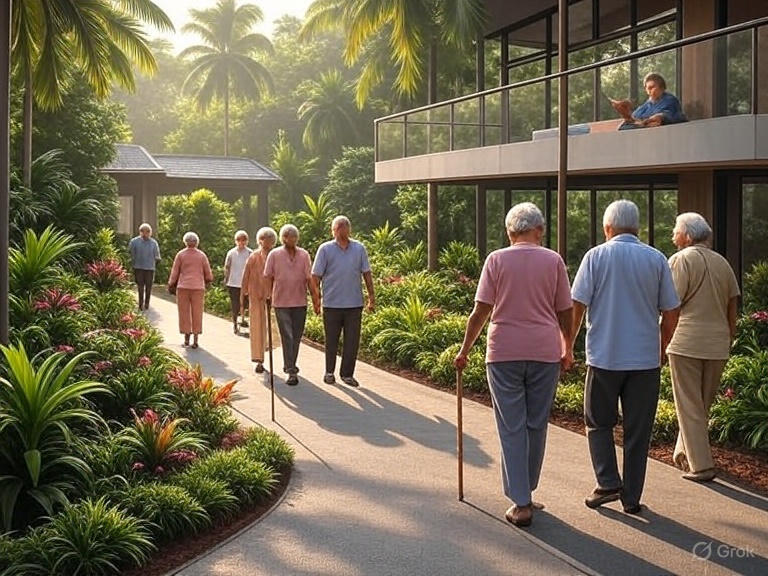
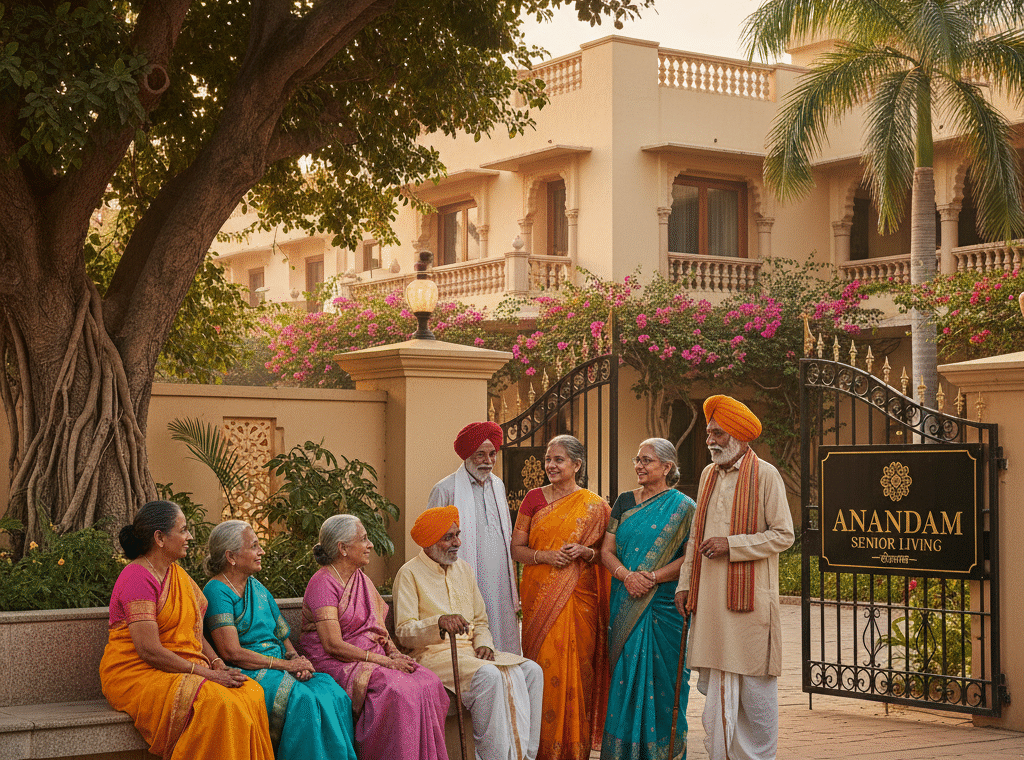
By Rakesh Vanarse |Recreation and Hobbies in Indian Senior Homes Recreation and Hobbies are necessary to rejuvenate the body, heart, mind and soul. As one ages, these aspects of life become more important. This is because these define the quality of life and living. It is essential for Senior Citizens to develop or follow these areas to have a happy and fulfilling life. Recreation and hobbies are the heartbeat of joyful living in India’s evolving senior homes, turning retirement into a season of discovery, creativity, and deep social connection. Far from the outdated image of passive aging, today’s leading senior homes are vibrant, activity-rich communities—where elders find daily opportunities to move, learn, express themselves, and forge meaningful relationships. Why Recreation Matters for Seniors Engagement in hobbies and recreational programs yields a host of life-enhancing benefits: Physical health: Regular movement through dance, walking, yoga, or gardening improves stamina, flexibility, and heart health while reducing the risk of chronic disease. Mental sharpness: Games, puzzles, art, and music stimulate cognitive function, warding off memory decline and boosting confidence. Emotional wellness: Shared laughter, new friendships, and moments of creative flow elevate mood, decrease stress, and combat loneliness—proven foes of healthy aging. Purpose and self-esteem: Pursuing old passions or exploring new interests gives every day structure and meaning, fostering pride and a zest for life. Types of Hobbies and Recreation in Senior Homes Senior homes in India now curate a diverse mix of activities suitable for every ability and preference: Movement and Fitness: Yoga, chair exercises, group dance classes, walking clubs, and even swimming sessions are staples. These help maintain strength and balance while serving as social gatherings. Arts and Crafts: Participating in painting, pottery, knitting, or craft workshops allows elders to express creativity, relive childhood joys, and enhance fine motor skills. Music and Dance: Whether singing in bhajan groups, playing instruments, or joining dance sessions, music has a unique power to evoke joy and form strong social bonds among residents. Gardening: Tending to flowers, kitchen herbs, or community fruit trees connects seniors with nature and offers therapeutic relaxation. Games and Puzzles: Chess, cards, Sudoku, and group board games flex the mind and are easy ways for even those with limited mobility to participate fully. Reading and Storytelling: Community libraries, book clubs, and informal story circles help keep minds engaged and create platforms for sharing life’s wisdom. Cultural and Festival Celebrations: From organizing festive dance-dramas to preparing special holiday meals, collective celebration adds color, ritual, and shared delight to community life. Accessible Activities for All Recognizing differing levels of mobility and energy, top homes design activities with inclusivity in mind. Many offer: Indoor hobbies for those unable to participate outdoors: music therapy, art sessions, board games, and reminiscence activities. One-on-one or small group sessions for elders who require more individualized attention or feel overwhelmed in larger gatherings. How Recreation Creates Community Participating in hobbies draws residents together, helping friendships blossom and providing emotional support systems. Shared achievement—whether in a card game, a group mural, or a successful dance performance—instills communal pride and mutual encouragement. This supportive network extends to families, who are often invited to join celebrations, competitions, or hobby fairs. The Role of Technology Many Indian senior homes now use technology to broaden recreation options—streaming bhajan sessions, digital board games, virtual hobby classes, and video chats with distant family or guest speakers. Tablets and smart TVs help seniors stay connected to their passions, whether watching cricket, learning a new language online, or joining virtual art lessons. Real Stories, Real Impact Residents often report rediscovering talents they left behind decades earlier, or picking up new hobbies they never had time for in their working years. Whether tending a rooftop garden or acting in a festival play, these moments spark vitality, laughter, and newfound self-worth. Conclusion Recreation and hobbies are not just “extra” in today’s Indian senior homes—they are fundamental to joyful, meaningful aging. By embracing activity, creativity, and lifelong learning, these communities ensure every resident can celebrate their golden years with energy, pride, and an ever-growing circle of friends.Recreation and hobbies are the heartbeat of joyful living in India’s senior homes, transforming retirement into a time of discovery, laughter, and connection. Far from simply offering shelter, today’s leading senior homes curate diverse, enriching activities—empowering residents to nurture passions, discover talents, and forge deep friendships. The Benefits of Hobby-Filled Living A life filled with recreation isn’t just about fun—it’s vital for mind and body. Regular hobbies help: Boost physical health by keeping seniors active through yoga, walking, group dances, and gardening. Sharpen mental faculties through games, puzzles, music, and ongoing learning.] Reduce anxiety, loneliness, and depression by providing daily purpose and social connections. Build confidence as seniors master new skills or rediscover old passions, fostering pride and independence. Popular Recreational Opportunities in Senior Homes Indian retirement communities now offer a galaxy of recreation suited to every personality and ability: Fitness & Movement: From yoga classes to group aerobics, chair dance, and even swimming, there’s an option for every energy level. Creative Expression: Art workshops, music therapy sessions, craft clubs, and DSLR lessons allow seniors to create, relax, or simply play. Gardening: Planting kitchen herbs or tending to ornamental flowers connects residents with nature; many homes have rooftop gardens or gardening clubs. Games & Puzzles: Card games, chess, rummy, Sudoku, and brain teasers promote friendly rivalry and mental agility. Board game tournaments and interactive quizzes add extra excitement. Reading & Storytelling: Community libraries and story circles keep imaginations alive, and are popular for their blend of companionship and learning. Music & Dance: Bhajan groups, retro karaoke, and cultural dances bring everyone together—music transcends age and rekindles joy. Festival & Event Celebrations: From Diwali to Holi, special meals and cultural performances unite residents and foster team spirit.] Making Activities Accessible Inclusivity is a priority: even those with limited mobility have ample choices, from indoor puzzles and crafts to gentle chair exercise or musical appreciation. Personalized support ensures everyone can participate. Technology and New-Age Leisure Modern senior homes

Healthy Senior Meals

Healthy and Delicious Meals in Senior Citizens homes and stays in india

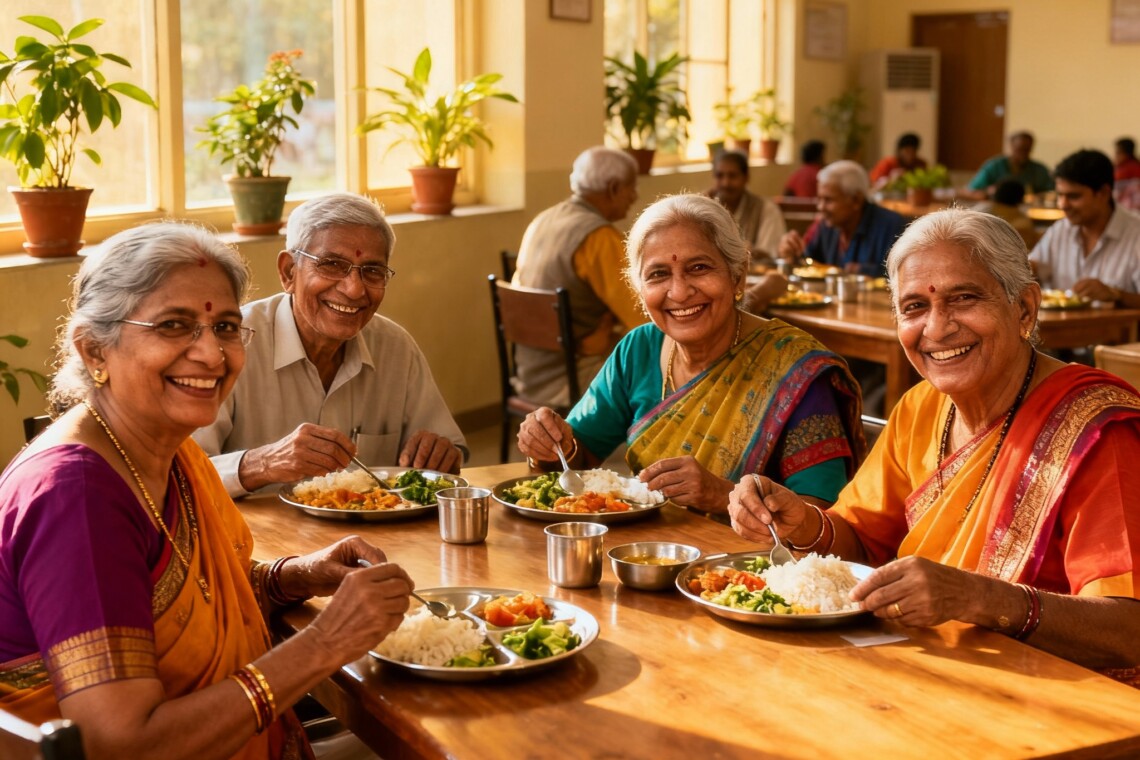
Senior Citizen Meals in India | By Rakesh Vanarse With advancing age, meal intake has to go through a gradual change to suit one’s health and constitution. Over a period of time, meals should be less spicy and yet have the right balance of health and nutrition to support senior citizens requirements. The good part is that now meals are well planned and organized at Senior Citizens Homes relieving the Senior Citizens of not only cooking but also having timely meals. Healthy and delicious meals are a defining feature of well-run senior citizen homes and retirement stays across India. As elders transition to community living, food becomes much more than just fuel—it is comfort, joy, tradition, and a foundation for physical and emotional health. With the right planning and expertise, senior living communities across the country are making every meal a safe, nourishing, and truly enjoyable experience. The Nutritional Needs of Seniors With age, the body’s metabolism slows, appetite may decrease, and chronic health issues like diabetes, high blood pressure, or digestive sensitivities become more common. Seniors need fewer calories but more essential nutrients—vitamins, minerals, protein, and fiber to maintain energy, muscle mass, immunity, and gut health. Indian retirement homes and senior communities work with nutritionists to design menus that are easy to digest, offer variety, and meet specific dietary needs without sacrificing flavor or tradition. What Does a Healthful Meal Look Like? In senior homes, meals typically: Emphasize nutrient-dense foods: red rice, millets, oats, and whole wheat for fiber; fresh vegetables and fruits for vitamins; dals, paneer, eggs, and legumes for protein. Use less oil and spice, reducing salt and sugar, while relying on herbs and traditional spices for depth and taste. Include adequate hydration throughout the day—think buttermilk, coconut water, herbal teas, and soups. Offer smaller, frequent meals and healthy snacks, ensuring steady energy without overeating. Daily Meal Structure in Senior Living A typical daily meal structure curated by Indian senior facilities might include: Breakfast: Oats porridge with nuts, Besan Chilla with chutney, or a light Upma; accompanied by fresh fruit or herbal tea. Snacks: Roasted chickpeas or makhana, fruit chaat, or a glass of buttermilk to maintain energy between meals. Lunch: Brown rice or whole wheat roti, dal or khichdi, seasonal sabzi, cucumber raita, and fresh salad. Evening Snack: Light homemade snacks or soup. Dinner: Mixed vegetable soup with moong dal khichdi, or soft rotis with mild curry—easy on digestion, yet satisfying. Menus are rotated frequently, honoring both local traditions and variety so every resident finds familiar flavors and occasional treats. Special Diets and Personalization Geriatric meal planners understand that residents don’t all eat the same way. Customization is key: Special meals are provided for those with diabetes, hypertension, heart disease, or food allergies. Options might include low-glycemic grains, salt-restricted variants, or pureed textures for easier swallowing. Care teams and nutritionists monitor health markers, gathering regular feedback from residents to keep meals aligned with both taste and medical necessity. Emotional and Cultural Value of Food Food in Indian homes is deeply cultural and emotional. Senior living facilities honor this by preparing regional specialties, celebrating festivals with traditional fare, and supporting vegetarian, non-vegetarian, or even religious-specific dietary habits. Shared dining spaces encourage socialization—turning meals into cherished, communal experiences. Residents often cook together in kitchenettes or participate in menu tastings, reinforcing engagement and joy.] Hygiene, Assistance, and Safety Senior homes prioritize hygiene in kitchens, regular staff training, and safe food storage. Residents with limited mobility or cognitive challenges receive meal-time assistance with warmth and dignity, ensuring everyone eats comfortably and sufficiently. Regular nutritional assessments help catch issues early, contributing to better overall health. The Impact: Better Health, More Joy Seniors who eat well report higher energy, better mood, improved immunity, and lower incidence of nutritional deficiencies or digestive issues. Family members gain peace of mind knowing their loved ones are cared for with thoughtfully balanced, delicious, and safe food every day. Conclusion Healthful and delicious meals in senior citizen homes and stays across India reflect the perfect blend of nutrition, tradition, and care. When elders enjoy food that is safe, flavorful, and tailored to their unique needs, their golden years shine brighter—with every meal becoming a celebration of health and happiness.


Search

December 2025

  • M
  • T
  • W
  • T
  • F
  • S
  • S
  • 1
  • 2
  • 3
  • 4
  • 5
  • 6
  • 7
  • 8
  • 9
  • 10
  • 11
  • 12
  • 13
  • 14
  • 15
  • 16
  • 17
  • 18
  • 19
  • 20
  • 21
  • 22
  • 23
  • 24
  • 25
  • 26
  • 27
  • 28
  • 29
  • 30
  • 31

January 2026

  • M
  • T
  • W
  • T
  • F
  • S
  • S
  • 1
  • 2
  • 3
  • 4
  • 5
  • 6
  • 7
  • 8
  • 9
  • 10
  • 11
  • 12
  • 13
  • 14
  • 15
  • 16
  • 17
  • 18
  • 19
  • 20
  • 21
  • 22
  • 23
  • 24
  • 25
  • 26
  • 27
  • 28
  • 29
  • 30
  • 31
0 Adults
0 Children
Pets
Size
Price
Amenities
Facilities

Compare listings

Compare

Compare experiences

Compare

Reset password

Enter your email address and we will send you a link to change your password.

Powered by Estatik