
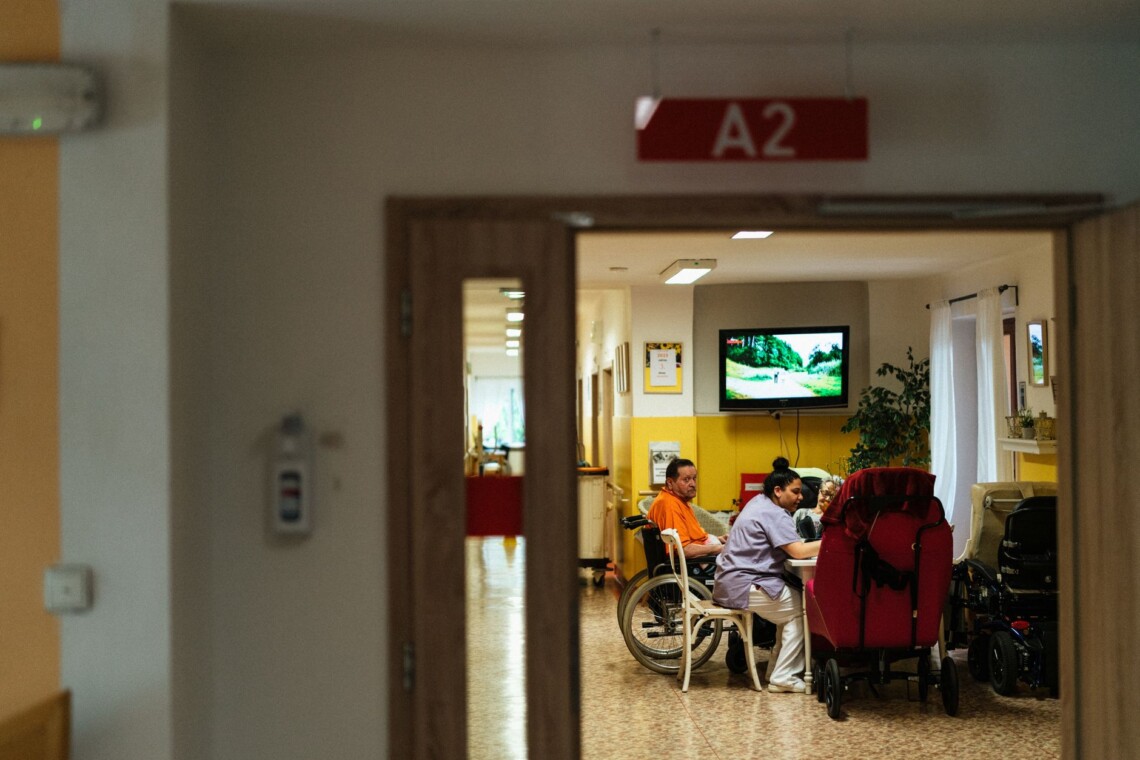
Understanding Geriatric Hospital Services in India: What Every Family Should Know
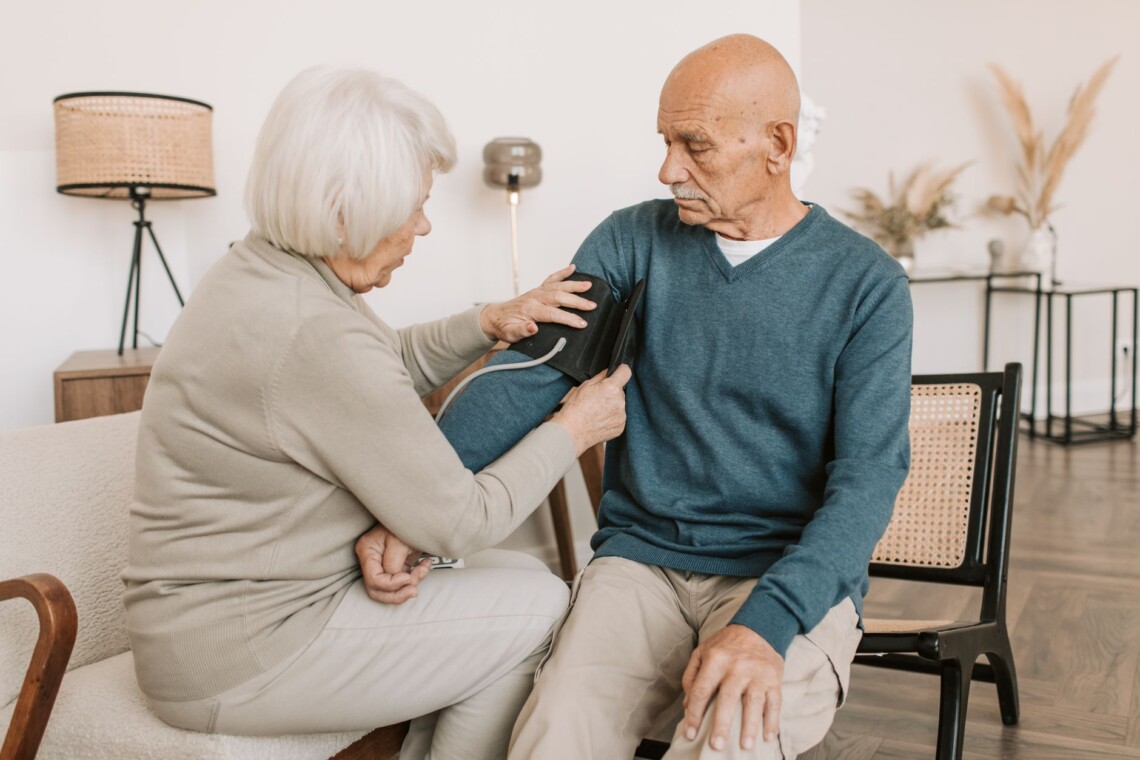
Understanding Geriatric Hospital Services in India: What Every Family Should Know As India races toward becoming a super-aged society by 2050, families are facing unprecedented challenges when caring for elderly loved ones. The average age of India’s population is rising rapidly, with projections showing that 19.6% of citizens will be above 60 years by 2030. When elderly family members require hospitalization, many families find themselves overwhelmed by complex medical terminology, unfamiliar healthcare systems, and the emotional burden of making critical decisions. This comprehensive guide will help you navigate the specialized world of geriatric hospital services available across India, understand what to expect during hospital stays, and prepare for successful outcomes that prioritize dignity, comfort, and quality care. What Are Geriatric Hospital Services? Geriatric hospital services represent a specialized branch of healthcare designed specifically for patients aged 65 and above. Unlike general medicine wards, these services acknowledge that aging brings unique physiological changes that affect how medications are processed, how diseases present, and what types of care are most effective. In India, many hospitals now feature dedicated geriatric units equipped with trained staff who understand the complex interplay of multiple chronic conditions common among elderly patients. These services typically include comprehensive geriatric assessments that evaluate not just physical health but also cognitive function, mobility, social circumstances, and medication management. For instance, Apollo Hospitals in Chennai was among the first in India to establish a dedicated geriatric super-specialty clinic in 2008, recognizing the growing need for age-specific care. Similarly, Fortis Hospital in Delhi offers a 24-hour geriatric intensive care unit with specialized staff trained in managing age-related complications. Key Components of Geriatric Care Effective geriatric hospital services incorporate several essential components that distinguish them from standard medical care. These include medication reconciliation processes that review all prescriptions to prevent dangerous interactions, fall prevention protocols tailored to individual mobility levels, and nutritional support programs addressing common issues like malnutrition and swallowing difficulties. Another critical element is cognitive assessment and management, particularly important given India’s rapidly aging population and rising dementia cases. According to the Alzheimer’s Disease Association of India, approximately 4.5 million people suffer from dementia in the country, with numbers expected to triple by 2030. Geriatric services also emphasize family education and support, recognizing that caregivers play a crucial role in patient recovery and long-term management. Types of Geriatric Services Available in Indian Hospitals Indian hospitals offer various levels of geriatric services, ranging from basic specialized consultation to comprehensive inpatient care. The most common types include outpatient geriatric clinics, dedicated geriatric wards, intensive care units with geriatric specialization, and rehabilitation services focused on helping elderly patients regain independence. Specialized geriatric wards are becoming increasingly common in tertiary care hospitals across major cities. These wards typically feature: single or small family rooms promoting privacy and comfort, specialized equipment like bedside commodes and raised toilets for accessibility, and staff trained in age-specific care techniques. For example, Manipal Hospitals in Bangalore operates a dedicated geriatric ward with 24-bed capacity, offering round-the-clock physician coverage and nursing staff specifically trained in elderly care. Emergency services have also evolved to better serve elderly patients. Many hospitals now have geriatric emergency protocols that account for atypical presentations of common conditions. For instance, heart attacks in elderly patients may present differently than in younger individuals, often involving confusion, weakness, or abdominal pain rather than typical chest pain. Specialized Geriatric Procedures and Treatments Modern geriatric hospitals in India offer specialized procedures designed specifically for elderly patients. These include geriatric-friendly surgical techniques that minimize anesthesia time and post-operative complications, interventional radiology procedures performed under conscious sedation when possible, and minimally invasive treatments that reduce recovery time. Medication management services are particularly crucial, as elderly patients often take multiple medications for various conditions. These services include pharmacist-led reviews, dose adjustments based on kidney and liver function, and monitoring for drug interactions. Physical therapy and occupational therapy programs help maintain mobility and independence, while speech therapy addresses swallowing difficulties that can lead to malnutrition and aspiration pneumonia. Cost Considerations and Insurance Coverage Understanding the financial implications of geriatric hospitalization is crucial for families planning ahead. Costs vary significantly based on location, hospital reputation, and specific services required. General medicine ward admissions for elderly patients in private hospitals typically range from Rs. 5,000 to 15,000 per day, while specialized geriatric wards and intensive care can cost between Rs. 15,000 to 50,000 daily. However, several insurance options and government schemes help make these costs more manageable. The Pradhan Mantri Jan Dhan Yojana includes health insurance coverage for elderly individuals, while various state-level programs provide subsidized healthcare for senior citizens. Many private hospitals also offer senior citizen discounts, with some providing up to 30% reduction in charges for patients above 60 years. Hospital Type General Ward Cost (Daily) Geriatric Ward Cost (Daily) Insurance Coverage Available Private Multi-specialty Rs. 8,000-15,000 Rs. 15,000-30,000 Yes (Various Plans) Patient Friends Rs. 3,000-6,000 Rs. 8,000-15,000 Limited Government Hospitals Rs. 500-2,000 Rs. 2,000-5,000 MHSS, State Schemes Financial Planning Tips for Families Families should begin planning financially well in advance of potential hospitalization needs. Creating a medical emergency fund specifically for elderly care can prevent financial stress during difficult times. Many hospitals offer payment plans allowing families to spread costs over several months, and some even accept recurring monthly payments through auto-debit facilities. Pre-admission health checkups and advance care planning discussions with healthcare providers can also help families understand potential costs and prepare appropriately. Some hospitals offer comprehensive geriatric assessment packages that include baseline investigations and care planning at reduced rates compared to emergency admissions. Choosing the Right Geriatric Hospital Services Selecting appropriate geriatric hospital services requires careful consideration of several factors beyond just location and cost. The most important criterion is the presence of qualified geriatric specialists, including doctors with additional training in geriatrics, nursing staff experienced in elderly care, and support personnel like physiotherapists and dietitians familiar with age-related health issues. Hospital accreditation status is another crucial factor. NABH (National Accreditation Board for Hospitals & Healthcare Providers) accredited hospitals generally provide
-
 by swabhimaanadmin
- July 28, 2026
- Blog








Latest Comments