Health and medical

Health and Medical Support When You Need It Most for Seniors

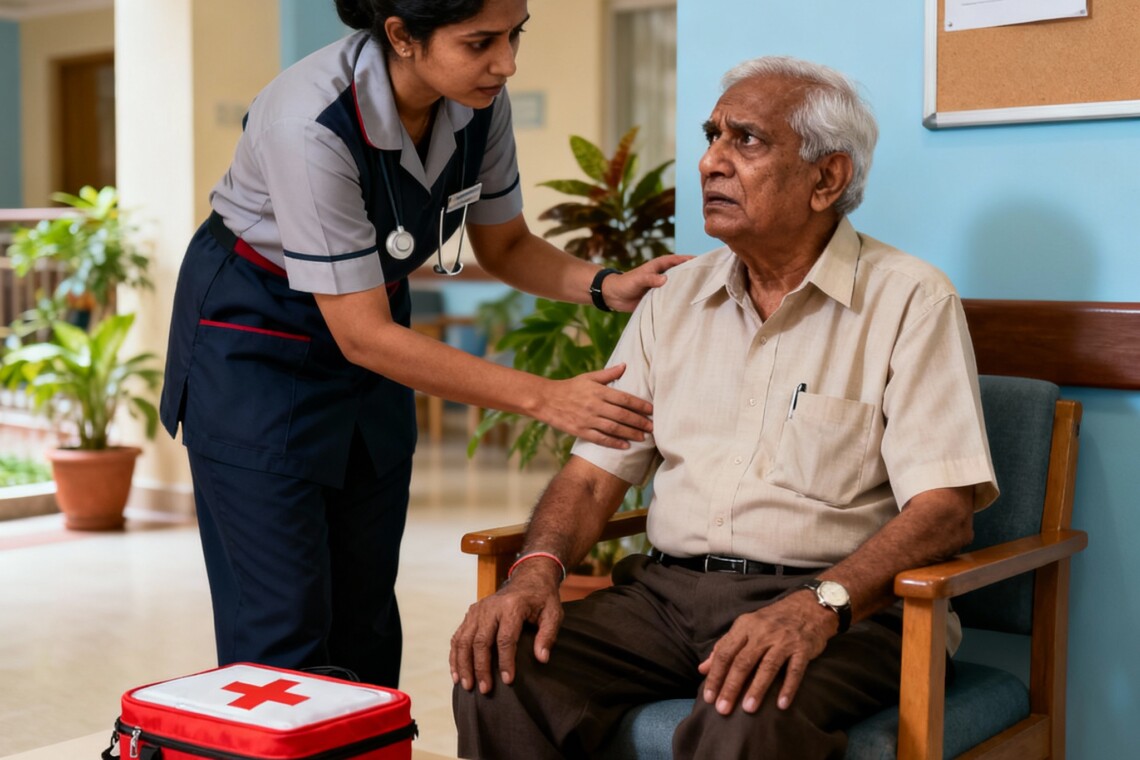
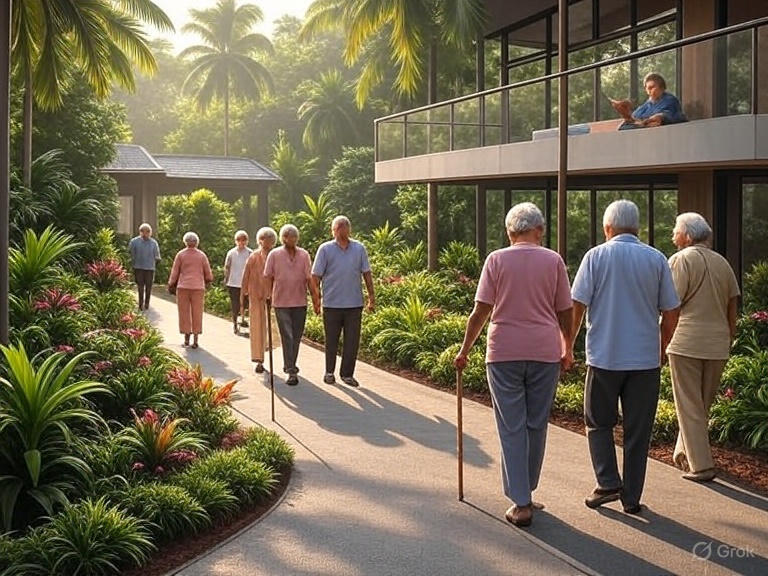
Health and medical support for seniors in India | By Rakesh Vanarse Health and Medical Support on the go! This is what Senior Citizens need most in their advancing years. Access to timely health and medical support is crucial for seniors, especially as India’s elderly population continues to expand rapidly. Ageing brings unique challenges: chronic diseases, delicate mobility, the need for more frequent check-ups, and an increased risk of medical emergencies. Thankfully, India’s senior living landscape is now evolving with dedicated approaches that position health and medical support as a core assurance—right when it’s needed most. Changing Landscape: Focus on Senior Health The Government of India has prioritized elder care through several comprehensive health programs. The National Programme for Health Care of the Elderly (NPHCE) delivers preventive, curative, and rehabilitative services at every level, from rural clinics to tertiary urban hospitals. This focus means more geriatric specialists, better-trained health workers, and health facilities that address the specific issues of seniors, such as diabetes, hypertension, and cognitive decline. Schemes like Ayushman Bharat—recently expanded to include every citizen above 70, regardless of income—have made hospital care and treatment accessible and affordable, vastly reducing the out-of-pocket costs for India’s elders.] On-Site Medical Support in Senior Living Communities Modern senior living homes have redefined what it means to age with dignity by embedding robust medical services within their communities: 24/7 Healthcare Access: Many communities have in-house clinics, resident nurses, and visiting physicians. Round-the-clock availability means help for minor ailments as well as urgent medical needs, anytime. Daily Health Monitoring: Regular check-ups, blood pressure and sugar monitoring, and personalized medication management reduce medical complications. Emergency Response: Senior communities are equipped with emergency alarm systems, swift ambulance access, and on-call medical teams. Residents and families know that even in the middle of the night, care is just a button away. Rehabilitation & Recovery: For post-surgery or illness, dedicated physiotherapy, rehabilitative programs, and respite care allow smooth transitions from hospital to home. Technology Ushers in a New Era Telemedicine and wearable health devices have revolutionized healthcare for India’s ageing population. Even in rural or semi-urban locations, seniors can use smartphones and tablets to consult specialists, share medical records, and book appointments without long travel or waiting hours. Wearables track vital signs and can even alert caregivers if irregularities are detected. For many elders, this blend of compassionate hands-on care and technology-based support can be life-saving. Role of NGOs, Mobile Health, and Home Care Not all seniors live in organized communities. Government and NGOs play a crucial role in reaching India’s vast and varied elder population: Mobile Healthcare Units bring primary health check-ups, medicine, and screenings to the doorsteps of rural and disadvantaged seniors. Home-Based Care offers in-person nursing, physiotherapy, and palliative services for those recovering at home or with limited mobility. Specialized Support like geriatric care coordinators help manage chronic illnesses, medication schedules, and hospital navigation, ensuring no elder is left behind. Emergency Services and Preparedness Senior living communities and families are embracing emergency preparedness like never before: Clear action plans, regular drills, and easy access to hospital admission streamline responses. New emergency services for seniors now offer direct phone/video doctor consultations and hospital coordination, often at little or no cost.[13] For families overseas, digital health records and remote updates allow real-time insight into their loved one’s health status. Empowering Seniors and Families Health literacy—the ability to understand one’s own medical needs and make informed decisions—is being supported through health education for both seniors and caregivers. This means workshops on exercise, nutrition, disease prevention, and mental health support are becoming common offerings in care communities and through NGOs. Challenges and The Road Ahead Despite significant progress, challenges remain. There are not enough geriatricians for India’s fast-growing senior cohort, especially outside urban centers. Transportation, social and cultural barriers, and awareness gaps can limit access in rural regions. Digital access is still uneven. Still, the direction is clear: India is making it possible for seniors to get health and medical support when they need it most, blending policy, innovation, and compassion. As a result, today’s elders can look forward to a future where care arrives not too late, not too limited—but exactly on time, every time.

Flexible Stay Options for Every Need for Seniors in India

Flexible stay options for seniors in India | By Rakesh Vanarse Is it possible for Senior citizens to stay in different parts of India and enjoy different places, weather, people and experiences? Today, it is! The evolving landscape of senior living in India is marked by a new commitment to flexibility—providing stay options tailored to the unique, varied, and changing needs of today’s seniors. Whether for a short break, trial experience, or permanent residence, modern retirement communities and senior homes now offer a spectrum of flexible stay options. This approach honors seniors’ autonomy and delivers care that adjusts as lifestyles and health change, ensuring dignity, security, and comfort at every stage. Understanding Flexible Stay Options No two seniors are alike: some are fully independent, others need occasional support, and many may require increasing assistance over time. India’s top senior living providers recognize this diversity and offer a range of solutions: Short-Term and Trial Stays: Many retirement homes offer the chance for elders to sample the community environment before making a long-term commitment. These stays may last from a few days to a few months, perfect for those needing convalescence after a hospital stay, whose caregivers are traveling, or who simply want a “holiday” with like-minded peers. Respite Care: Tailored for seniors whose family caregivers need a break, respite care provides reliable, round-the-clock assistance—often with all the amenities and activities of long-term residents. This provides peace of mind for families and welcome social interaction for seniors. Long-Term Residence: For those ready to make the move, senior communities offer permanent residency—often with varying apartment or villa layouts to suit preferences and budgets. This option ensures familiarity, ongoing health monitoring, and deep bonds within the resident community. Transitional and Post-Operative Care: Some homes specialize in short-term rehabilitation, supporting recovery with medical supervision, physiotherapy, and nutrition until the resident is ready to return home or shift to longer-term residence. Day Care: Larger cities are seeing the rise of day-care centers for elders, where seniors participate in wellness activities, meals, and social gatherings during the day and return home to family at night. Types of Accommodation Senior homes in India provide a wide palette of housing options: Independent Living: Designed for active seniors, these offer privacy, minimal support, and community engagement—often in 1-3 bedroom apartments or cottages within gated complexes. Assisted Living: For those needing daily help—bathing, dressing, medication—assisted living bridges the gap, offering greater support while protecting dignity and independence. Specialized Care Units: Facilities like dementia care, palliative care, and medical recuperation suites cater to complex medical and cognitive needs. Benefits of Flexible Options Flexible stays in senior living provide distinct advantages: Adaptability: Seniors and families can adjust living arrangements as health needs or circumstances change without the stress of frequent relocation. Stress-free Transitions: A short-term stay can serve as a low-pressure opportunity to adjust to communal living, meet new friends, and assess suitability for long-term residence. Peace of Mind for Families: Knowing that elders have safe, professional care during travel, emergencies, or family transitions is a major source of reassurance. Continuity of Care: If health declines or needs increase, residents can shift smoothly from independent to assisted living or specialized care—without losing community or familiarity. What Seniors Should Look For Ask about minimum stay durations and costs for different options. Evaluate the range of medical, social, and personal care services during both short and long-term stays. Inquire about transition plans as health needs change, and whether residents retain familiar staff or caregivers through these adjustments. Leading Communities and What They Offer From Olive Eldercare in Navi Mumbai, Antara in Dehradun and Noida, Ashiana in several cities, to luxury providers in Ujjain, Bangalore, and Bhubaneswar, India’s senior communities are setting new benchmarks in flexibility, care, and amenities.

Dignified Living for the Golden Years in Senior Homes in India

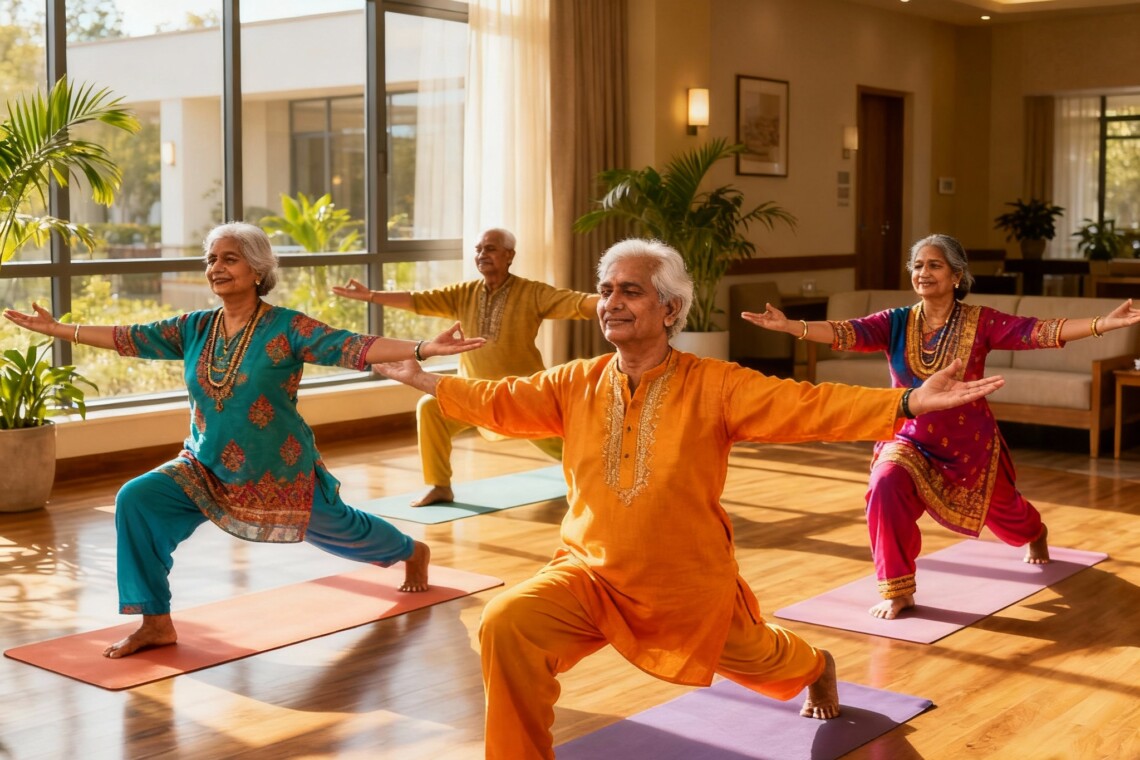
Dignified living in senior homes in India | By Rakesh Vanarse As one ages, maintaining a sense of self respect becomes increasingly difficult. Senior Citizens often struggle to maintain life and rhythm but due to failing physical and mental health, this starts into a slow deterioration. This calls for a platform for dignified living. Dignified living for the golden years is fast becoming the defining promise of India’s modern senior homes—where elders are celebrated and empowered to lead lives filled with respect, autonomy, and meaningful engagement. More than just addressing care needs, today’s retirement communities are rewriting the story of aging, blending hospitality, healthcare, and community with a deep focus on human dignity. Dignity at the Heart of Senior Living The hallmark of dignified senior living is the unwavering commitment to treating each resident as a valued individual. This begins with offering choices: from the design of private rooms and meal preferences, to flexible activity calendars and customized care plans. Independence is prioritized alongside safety, so elders can set their own routines and maintain the rhythms that have shaped their lives. Privacy and personal space are respected in all aspects—from bathing and grooming to room decoration and spiritual practice. Seniors are encouraged to bring their own memories and identities into the space, making their living environment deeply personal and reassuring. A New Generation of Senior Communities The evolution of senior living in India is the result of social change, increased longevity, and smaller, more mobile family units. New communities blend state-of-the-art infrastructure, continuous medical oversight, regular social activities, and vibrant, supportive peer groups—all within secure, thoughtfully designed campuses. Key features include: 24/7 healthcare and emergency response: Assures peace of mind without loss of independence. Personalized support: Services adapt as needs change, balancing assistance with autonomy. Recreation and learning: Yoga, music, gardening, language classes, and celebrations promote engagement and personal growth. Community spirit: Events and group activities foster friendships and a sense of belonging, combating loneliness and promoting well-being. Respect, Empowerment, and Well-being Respect and empowerment are the cornerstones of true dignity. Staff receives training in compassionate communication, cultural sensitivity, and elder rights. Counseling, family liaisons, and regular feedback sessions ensure residents’ voices are always heard and valued. Wellness programs and preventive health checks keep residents strong and independent for longer, while accessible design makes movement easy and safe. Dignified living also means supporting emotional needs. Celebrating birthdays, honoring life stories, and incorporating local festivals or rituals into community life reinforce each resident’s uniqueness and cultural identity. Many communities encourage intergenerational exchange, bringing together children, volunteers, and young professionals, so elders can mentor and guide others—a powerful source of self-worth. Legal Support and Security India’s landmark Maintenance and Welfare of Parents and Senior Citizens Act—and new social justice initiatives—offer vital legal safeguards protecting elders from neglect, abuse, or exploitation. Senior communities work alongside these policies to provide secure environments, transparent financial practices, and clear grievance redressal channels. Challenges and the Way Forward India’s eldercare sector has grown rapidly, but challenges remain: bridging urban-rural divides, expanding options to the middle class, and combating lingering stigma about “old age homes.” Still, a powerful cultural shift is underway—from seeing institutionalized care as abandonment to recognizing it as an opportunity for growth, companionship, and vibrant living. The Collective Responsibility As eloquently put by President Droupadi Murmu, “It is our collective responsibility as a nation to ensure that our seniors live their old age with dignity and activeness.” Society, industry, and the government are partnering to promote holistic well-being, empowering seniors through legal reforms, inclusive design, and community investment. Conclusion Dignified living in India’s premier senior homes is about much more than safety or comfort. It is about celebrating the individual, fostering autonomy, and allowing every elder to age with purpose, connection, and pride. As this new vision takes root, the golden years for India’s elders shine brighter—marked by freedom, community, and the profound respect they have always deserved.

Affordable and Transparent Living Options in Senior Homes in India

Affordable senior homes in India | By Rakesh Vanarse Settling in a Senior Citizens Gated Community is a sensible choice of the upcoming generation of Senior Citizens. However, many seniors find it difficult to find the right place at the right price to settle down in their golden years. However, things are beginning to change now! Affordable and transparent living options are at the heart of India’s fast-evolving senior living sector, opening doors for thousands of seniors who seek comfort and care without financial stress or hidden surprises. Driven by rising demand, social change, and robust new investments, modern retirement homes and senior communities now provide a spectrum of choices that balance quality with varying family budgets—while fostering complete pricing clarity and customer trust. Affordable Options: Spectrum and Structure India’s senior living market now ranges from budget-friendly old age homes to mid-segment and luxury retirement communities. This diversity ensures that every senior—single, married, or widowed; independent or needing medical help—can find a solution suited to their lifestyle, location, and income. Non-metro cities like Coimbatore, Dehradun, and Palghat, for example, offer 1-2 BHK senior apartments for as little as ₹25 lakh–₹80 lakh to purchase, or rents of ₹15,000–₹50,000 per month. In luxury settings, prices can go up to ₹2 crore to buy, or ₹1–2 lakh per month to rent, but many seniors are finding good comfort well within affordable brackets. Transparent Pricing: What’s Included? Progressive senior homes in India display all-inclusive, transparent pricing for both upfront purchases and monthly/annual maintenance. Costs are broken down into: Accommodation (rental or ownership) Dining (regular or special diets) Housekeeping & Laundry Utilities (water, electricity) Medical Support (nursing, on-call doctors) Security and Emergency Services Engagement Activities and Club Memberships Maintenance Fees (usually ₹3–6 per sq. ft. monthly for standard projects) Premium Amenities (wellness programs, physiotherapy) as add-ons. Some facilities operate on a deposit-return or lease model (pay part upfront, the balance returned if leaving), others on pure monthly rentals or purchase plus monthly maintenance. This variety gives families true flexibility and assurance that they pay only for the services they need. Budget Examples and Regional Trends Metro Cities (Mumbai, Bangalore, Pune, Chennai, NCR): Entry-level options start at ₹45,000/month for private rooms; purchase prices for 1–2 BHK units range from ₹35 lakh to ₹1 crore and above. Non-Metro and Tier II Cities: Homes available for ₹15,000–₹25,000/month or purchase from ₹25 lakh, including basic services but often at a lower cost of living. Luxury and Premium: Premium retirement living for those wanting five-star amenities and bespoke care start at ₹75,000–₹2 lakh/month; upfront costs go as high as ₹2 crore in select developments. Transparency Means Trust Industry leaders such as SukhShanthi and Gracias Living showcase detailed, publicly accessible fee charts, sample contracts, and inclusions. Families are encouraged to ask for complete cost breakdowns, check what services are included, and clarify if any fees—medical emergencies, one-on-one care, or outings—are extra. This transparency prevents unwelcome surprises, a major anxiety-point for many Indian families. Value Beyond Price The rise of affordable and transparent senior living options doesn’t only bring peace of mind about costs—it ensures seniors enjoy well-managed environments that include nutritious meals, efficient housekeeping, reliable healthcare, and active lifestyles—all without the headaches of property upkeep, unreliable domestic help, or sudden medical bills. Social and Government Impact As more middle-class families turn to retirement communities, social acceptance is rising and even government agencies are encouraging private and public projects in affordable segments. Many homes provide tiered offerings to suit a range of wallets—single rooms, shared accommodation, and enhanced care packs—making dignified, community-based aging accessible to a much wider segment of society. Conclusion Affordable and transparent living options are the cornerstone of today’s senior homes in India. They aren’t just about low prices—they’re about freedom, clarity, value, and respect. By prioritizing honest pricing and flexible packages, the best communities make it possible for every elder and family to find a home that fits their budget—without sacrificing comfort, dignity, or care.

Senior Solutions by Swabhimaan

6 Senior-Focused Solutions by Swabhimaan That Transform Elderhood in India

Stop dreading your golden years and start envisioning them as the most fulfilling chapter yet! Swabhimaan is changing the conversation about ageing, bringing you compassionate, creative, and community-centred solutions that honour independence without isolation. Whether you’re considering a supportive home, seeking adventures, or just wanting tools that make daily living smoother, Swabhimaan shows how elderhood can be something to celebrate. | Senior Solutions by Swabhimaan Here are six powerful ways Swabhimaan is leading this transformation and what they might mean for you. 1. Homes & Stays Designed for Dignity and Comfort One of the biggest challenges for many seniors is finding accommodation that respects both safety and comfort. Swabhimaan’s “Senior Citizens Homes & Stays” category offers homes and assisted living spaces designed for accessibility — few stairs, safe bathrooms, calm environments, so you don’t have to compromise on independence. These are residences where you can wake up, rest, eat, and connect, all in spaces built for your comfort. 2. Assisted Care & Recovery When You Need It Health concerns inevitably become more part of life as we age. Swabhimaan provides assisted care centers: sanatoriums, assisted recovery, hospice & palliative care. These services ensure that when you need extra support. Whether recovering from illness or requiring end-of-life care, you’re not alone. Care is given with humanity, and with the dignity every elder deserves. 3. Travel & Tours That Honour Pace & Personhood Adventure doesn’t retire. Swabhimaan’s travel offerings — holidays, resorts, retreats, homestays are crafted keeping seniors in mind. Imagine shorter travel segments, rest days, calm nature escapes, and destinations that offer both peace and gentle stimulation. Refined itineraries so that you can savour moments rather than rush through them. It’s travel that not only excites, but preserves comfort. 4. Products, Services & Tech to Enhance Daily Life Sometimes what transforms elderhood is not grand gestures, but the right tool or service. Swabhimaan’s “Enhance” section includes products and tech services designed for seniors — from mobility aids to assistive devices, wellness-oriented services, and other supportive solutions. These can help you maintain autonomy, ease daily tasks, and stay connected. 5. Community & Connection: Not Being Alone in the Golden Years A life of dignity isn’t just about having a roof, it’s about relationships. Swabhimaan fosters community through shared living options (inter-generational communities, senior living apartments), events, retreats, and day-stays where elders can meet, socialize, and share stories. Many seniors attest that the greatest joy comes from connection, feeling valued, and being part of something larger. 6. Tailored Support Across the Journey: From Wellness to End-of-Life Care Swabhimaan helps you across the full spectrum: wellness retreats for rejuvenation (Panchakarma, etc.), senior friendly homes, assisted care centres for recovery, hospice for palliative & end-of-life support. It means you don’t have to stitch together services from many places, you can find trusted options under one umbrella. That consistency helps relieve anxiety and allows you to live with clarity and peace. Your golden years aren’t a burden. They’re your chance to live with meaning Swabhimaan’s revolutionary approach to elderhood shows that ageing well isn’t about retreating, but about thriving with dignity, independence, and support. If you or a loved one are stepping into this new chapter, know there is a way forward that honours every moment. Swabhimaan is lighting that path.  

Second Home in India

7 Things to Consider Before Buying a Second Home in India

Ever daydreamed about a cozy retreat by the beach, or a cozy stay in the hills, or might be thinking of a second home ahead- either for safe investment, a dreamy farmhouse, or a peaceful retirement cottage. Purchasing a second home in India is not just about becoming rich and famous, but also about working professionals, retirees, and families exploring this option. However, here is the catch: this doesn’t end with simply picking a pretty house; finances, paperwork, legal authorities, and a lot of planning are involved until you have it as an asset. Before exploring everything, let’s walk through the essential factors together, because the right decision can lead to a safe and secure second property in India for years to come. State the purpose clearly  Firstly, analyse why I am buying a second home. Is it like any other home, retirement plan, investment, or holiday home? Setting the purpose helps to shortlist the ideal property type, prices, right location, availability, and more. Let’s assume it as an investment. If that is the case, then focus on dynamic regions like Bangalore, Mumbai, or anywhere in the South. If it’s a holiday home, consider a peaceful, well-connected city like Puri, Coorg, or Rishikesh. Location matters Location plays a crucial role in selecting a real estate property in India, and it becomes even more essential and significant to consider when buying a second property in India. A holiday home by the beach, a quaint town, within nature and the hills might sound tempting, but cross-check for your safety infrastructure and accessibility around. For instance, a holiday home in Puri can be a spiritual step to consider, but it can’t be accessed during the monsoons due to the frequent occurrence of natural disasters every year. On the other hand, if you are renting a second home in India, focus on towns with high rental demand, such as Bangalore or Goa. Remember that the Indian housing market is primarily driven by location. Go through the financial implications. Investing in a second property in India is not just considered the down payment, but also requires adding factors like; Loan eligibility, as banks don’t offer loans or tax benefits on second homes in India. Higher interest rates Maintenance cost Property tax If you can claim deductions on home loan interest, the rules become different if the property is occupied by you or rented out. Analyse hidden costs  Many property buyers in India do not understand or consider the hidden expenses associated with purchasing a second home. Registration charges, stamp duty, brokerage, and society maintenance fees are added together. If you purchase a resort-style or farmhouse project, monthly charges can tend to be higher, which means a hidden cost of owning a second property in India, designated in advance. Legal and paperwork check  Real estate property in India has developed its transparency, but legal due diligence is still critical which is why it is always important to verify: Land ownership history Clear land title Rera registration Encumbrance certificate Builder credibility and track record Therefore, to avoid future disputes, it is always essential to hire a property lawyer to understand the legal process for buying a second home in India, which can protect you from unnecessary disputes later. Investment potential and market trends  Investigating the property investment landscape in India is essential if you are investing in a second home primarily for financial gain. This means you need to look for factors such as infrastructure projects, upcoming commercial centers, and connectivity to different parts of the city to identify areas with rising demand, which will help you choose an ideal location offering a reasonable rate of return on investment in India. Long-term planning with a second home  Many people consider retirement planning for a second home in India, which is why they opt to purchase a property in a well-connected, serene environment that offers peace of mind for the rest of their lives. In this situation, the key is to locate locations with good social infrastructure, community safety, and healthcare facilities, which will ultimately provide both a comfortable and long-term living option. Last thoughts!  A second home in India is not just a decision taken in a rush but a place of joy, a well-secured investment plan, and a legacy for your family. Take your time to research the property market in India, analyse your finances, and seek professional advice to create a striking balance between lifestyle and investment, which would be the wisest decision of your life.  

Personalized Tours

8 Ways Personalized Tours Enhance Travel for Senior Citizens

Travelling after 60 (or 70, or 80) can be one of life’s greatest gifts. It’s a chance to explore, to rediscover, to make memories with less rush and more clarity. But if travel plans are just “one size fits all,” seniors often end up carrying the burden of discomfort, fatigue, or anxiety. That’s why tailored travel isn’t a luxury, it’s essential for senior citizens. | Personalized Tours for Senior Citizens In this article, we’ll look at what tailored travel really means for senior travellers. Why it matters, and specific ways to plan journeys that honour both adventure and ease. 1. Respecting Physical Needs & Health Realities As we age, bodies change. Mobility may reduce; stamina may decline. Pre-existing conditions or special dietary needs might require attention. A good travel plan for seniors: Chooses destinations/routes with minimal “difficult terrain” or arduous climbs. Ensures accommodations are senior-friendly: few or no steps, elevators, good lighting, accessible bathrooms with grab rails. Includes rest days, slower itineraries, and options to skip or postpone strenuous activities. Has medical support ready: travel insurance covering existing health conditions, local doctors/hospitals nearby, and clear plans for emergencies. Tailored travel acknowledges that health is not secondary, it’s central to enjoyment and dignity. 2. Customizing Pace & Itinerary You don’t have to see everything in 3 days. In fact, that often causes more stress than joy. Senior-centric travel is about choosing depth over breadth. Build in time for rest: long meals, afternoon naps, gentle walks. Avoid “back-to-back sightseeing blitzes.” Instead, focus on fewer destinations and take time to soak in the place. Allow flexibility: maybe a postponed activity, or a shorter version of something if needed. This kind of pacing helps avoid exhaustion, reduces risk of travel-burnout, and lets travellers really enjoy experiences rather than rush past them. 3. Prioritizing Accessibility Everywhere Travelling can mean dealing with uneven sidewalks, crowded markets, remote temples, or transportation that’s not senior-friendly. So a tailored plan must pay attention to accessibility: Check that transport (trains, buses, flights) offers priority seating, wheelchair assistance, or minimal walking between terminals. Choose hotels and resorts that are rated for senior safety and infrastructure (ramps, grab bars, non-slippery floors). Avoid overly crowded periods, or plan visits to popular spots at quieter times of day. 4. Catering to Dietary Preferences & Comfort Food is a large part of travel’s joy and also a source of worry for many seniors. Tailored travel should include: Meals arranged with dietary restrictions in mind: low salt, sugar-controlled options, vegetarian or vegan preferences, food hygiene. Being able to schedule meals at convenient times, not just “tour group standard” times. Having snacks, hydration, and comfort items on hand (especially during long transfers or tours). 5. Safe, Supportive Group vs Solo Options Many seniors value companionship, others prefer quiet or family only. Both have pros and cons—and tailored plans can respect that. Small groups with like-minded travellers: safer, more social, easier logistics. Tour leaders who are experienced with senior travellers can provide support, help with luggage, medical check-ups. (Benefits of small group travel for Indian seniors are well documented—the comfort, security, camaraderie are real) Solo or family travel: more freedom, but requires more planning. You might want private guides, reliable local transport, and clear safety plans. 6. Focus on Meaningful Experiences & Slow Travel For many seniors, travel isn’t just about ticking off landmarks, it’s about peace, learning, culture, connection, and rest. Incorporate wellness: spa, yoga, meditation, nature walks. Travel becomes rejuvenation, not exhaustion. Cultural immersion: staying in smaller towns, engaging with local artisans, experiencing festivals, learning something new (cooking, craft, language). Eco-friendly or nature-oriented travel: less traffic, cleaner air, more serene settings. Many senior travellers find this more restorative. 7. Using Trusted Infrastructure & Assistance Having reliable help on your trip makes a big difference. Use tour operators who specifically design for seniors. They know what to expect, they can manage medical concerns, they know how to pace tours. Plan transport with comfort: avoid long transfers, try for direct flights/trains, use private transfers where feasible. Support services like luggage handling, mobility aids, translation help, guide assistance can alleviate stress. 8. Psychological Safety, Trust & Choice Beyond physical comfort, seniors deserve travel that respects their dignity. Involve them in planning: choices over what to see/do, how much rest, whom to travel with. Ensure transparency: cost, safety measures, cancellation policies, insurance, local medical facilities. Build a safe environment: group sizes that allow social safety nets; guides who are respectful, trustworthy; accommodations in safe neighbourhoods. Because adventure doesn’t retire, it just becomes more meaningful. When is travel truly tailored? When it listens to what seniors need, what they enjoy, what pace serves them. Then journeys become more than vacations. If you’re 60 or 70 or more, don’t settle for generic trips. Plan a travel story that belongs to you.

Myths About Growing Older

Breaking 10 myths about growing older

As you grow older, you may come to realize that you hold onto many outdated ideas that are no longer accurate. You think of them before your retirement and come to a devastating conclusion, filled with worries and limitations that keep you from enjoying and being happy in later days. In this blog post, we will debunk common myths about aging and reveal the truth, demonstrating that getting older is filled with strength, peace, wisdom, and a positive outlook on life. | Myths About Growing Older Myth 1: Aging Brings Poor Health  Illnesses are a part of life, and with older citizens, chronic ones increase with age. Many seniors remain energetic, active, and free from illness by opting for better healthcare, a balanced diet, and an active lifestyle, which play a crucial role in maintaining their health. Myth 2: Old Individuals Can’t Learn New Things  The notion that learning is limited to a certain age is outdated. Neuroscience research indicates that the brain continually forms new connections throughout life, a phenomenon known as neuroplasticity. This implies that active seniors can also learn new habits, languages, gain more knowledge, and adapt to modern technology. Myth 3: Growing Older Leads To Loneliness Not every older person lives alone; instead, they actively engage with their families, children, friends, and society. In fact, after retirement, seniors tend to stay more active and independent, have more time to nurture relationships, build community, volunteer for a religious organization, or participate in social activities. Myth 4: Older Adults Can’t Contribute To Society  Older adults make exceptional contributions to society by volunteering, mentoring, sharing experiences, and through paid work. Many successful individuals experience growth in their later years, demonstrating that age does not necessarily reduce productivity, and breaking stereotypes about seniors and aging.   Myth 5: Older People Can’t Do Any Physical Activity Many older individuals may struggle to exercise or engage in physical activity, but in reality, they often try their best to stay healthy. They incorporate physical activity that helps strengthen bones, preventing unexpected incidents and improving mental health, which serves as a valuable tip for positive aging among older adults. From jogging to yoga, seniors try to stay fit without draining their bodies. Myth 6: Memory Loss Is Normal  While seniors face memory loss with age, severe memory loss, including conditions like Alzheimer’s or dementia, affects some, which can be overcome by maintaining a healthy mental and physical lifestyle through reading, puzzles, and learning to thrive in the face of such conditions. Lifestyle routines, such as exercise, a nutritious diet, and a positive environment, also make a significant difference. Myth 7: Aging Means Losing Independence  Aging does not mean losing independence, but instead gaining it – a happy lifestyle, making friends, planning trips, and more. With advances in mobility aids, senior-friendly services, and medications, many seniors remain in good health and enjoy their later years. It might seem different, but decision-making and independence support positive aging. Myth 8: Happiness Goes Down With Age Studies show that maintaining a happy and healthy lifestyle often delays the effects of aging in later years. Seniors used to have greater emotional resilience, a better sense, and knowledge that is genuinely unique and shines in life. As they avoid career and job pressures, many people enjoy a sense of tranquility and fulfillment. Myth 9: Seniors Can’t Adapt To Technology  While most seniors take time to learn and adapt, others interestingly embrace social media, online learning, and smartphones. Older adults keep up with technology to learn updated information, improve the quality of life, stay connected with loved ones, and access healthcare facilities easily. Myth 10: Growing Older Means Losing Purpose Life doesn’t end or lose meaning after retirement. Seniors can use their time to pursue travel, studies, passions, volunteer, spend time with family, and contribute to causes they may have never considered before, sometimes for the first time, that they now care about. Finding purpose is possible at any time and at any age, and older individuals often experience a deeper sense of understanding and meaning. Conclusion  Aging myths often surround decline and limitations, but in reality, it’s a field marked by strength, joy, independence, purpose, and wisdom. When you break these myths, you celebrate aging as a step towards growth instead of loss. So instead of bearing how the upcoming years will remain, it is time to embrace them with confidence and Pride. At Swabhiman Wellness, aging is viewed as a source of empowerment, prestige, and a way to live life to the fullest – regardless of the milestone it reaches.

Retirement Homes

Real Estate for Retirement: Ideal Homes in Bangalore and Goa

Retirement is all about stepping into a new era of life, where a couple seeks peace, comfort, and a laid-back lifestyle. But a question arises, where to settle down? Senior couples often prefer to reside in coastal regions or rural settings, while others seek safety, convenience, and various amenities nearby in a city. | Retirement Homes Fortunately, places like Bangalore and Goa offer the best of both worlds. The luxurious, well-connected cities of Bangalore, combined with the laid-back lifestyle of Goa, offer everything a retired couple would expect. Let’s see the five best retirement-friendly properties in Bangalore and Goa, an ideal choice for your golden years. Sarjapur road Bangalore  Once a vacant region, Sarjapur is now home to a well-designed residential complex ideal for retirement-friendly real estate investment in Bangalore. The suburb provides access to reputed hospitals, shopping complexes, and Open spaces, ensuring an active and well-balanced lifestyle for retirees. Property prices here generally range from ₹42 lakhs to ₹55 lakhs for 1 BHK houses and ₹1.3 crore and above for villas with lifts. Modern gated communities offer independent villas with facilities that include 24/7 security and services, landscaped gardens, and fitness centers. These complexes are the preferred choice for those who want City convenience without the bustle of core business areas. Devanahalli Bangalore One of the fastest-growing real estate cities in Bangalore, Devanahalli, has especially attracted senior couples for settlement due to its proximity to Kempegowda International Airport. The area offers modern infrastructure, healthcare facilities, road connectivity, schools, and peaceful surroundings, with affordable property values ranging from ₹25 lakhs to ₹35 lakhs for 1 BHK units and ₹1.2 crore for villas. Retirees can choose from luxury villas, gated community flats, or plotted homes, all offering access to Green landscapes, secure communities, and well-planned facilities and layouts to ensure comfort and security in their golden years. Margao and Colva, South Goa  Margao and Colva in South Goa are gaining popularity among retirees for their peaceful, well-connected coastal lifestyle. The property prices here range from ₹35 to ₹50 lakhs for 1 BHK apartments to independent villas starting from ₹90 lakhs. Every property features retirement villas and apartments in South Goa, along with a small gated community, sea-facing apartments, senior-friendly amenities, and single villas, all within proximity to wellness centers, beaches, grocery stores, art cafes, nearby hospitals, local markets, and more, making it a dream of having a laid-back lifestyle. Mapusa and Assagao, North Goa  North Goa’s Mapusa and Assagao are gaining popularity for their blind of cultural vibrancy and peaceful residential appeal in a bustling city setting. The area features modern apartments, heritage-style villas, a safe and gated community for retirees in Bangalore, strong infrastructure, quick access to hospitals, and affordable services, all of which are comparable to those found in tourist inflow cities like Calangute. Housing prices in this region range between ₹40 lakhs and ₹60 lakhs for 1- to 2-BHK units and ₹1.2 crore for villas, along with amenities such as wellness centres, stores, restaurants, and weekly markets to keep retirees enjoying an active and calm lifestyle. The perfect blend of affordability and cultural diversity makes this area a smart pick for retirement. Ponda, Goa  Ponda, the island town, offers one of the most affordable and senior-friendly real estate investment options in Goa, providing a laid-back lifestyle away from the bustling crowds of Goa, with a focus on preserving Goa’s traditions and catering to the retiree community. Housing options include small, flat, independent homes and budget villas, with a starting price of ₹20 to ₹35 lakhs for 1 BHK units and ₹70 lakhs for small villas. The destination offers functional yet straightforward amenities, including temples, medical facilities, local markets, and green surroundings, making it ideal for seniors who require affordable, simple, and cozy neighborhood living. Wrapping up!  As we wrap up, retirement properties are not just about buying a home, but about finding a place where you can get support, ease, relaxation, and Happy living. Whether it’s enjoying nature, the amenities of the suburbs, relaxation by the beach, or simply enjoying life, the above places are perfect for a visit. Whichever destinations you choose to spend the golden years of your life after retirement, the above 5 are the best destinations in India, which blend comfort, affordability, and lifestyle. So, why wait? Connect with a real estate agent in Bangalore or Goa who offers condos or villas, and complete all the paperwork to make your dream home a reality.

Bangalore Property

5 Important Bangalore Property Market Trends – What Buyers Should Know

Seems you’re looking to purchase a property in Bangalore. Reasons might be any- strong capital appreciation, higher rental revenue, and being a driving tech hub that attracts constant migration. | Bangalore Property However, for retirees, Bangalore is an attractive option for settling down. Again, reasons: accessibility to other metro cities, top healthcare, pleasant climate, senior-friendly properties, and of course, their children’s job hub —a trend worth noting. Let’s explore the key trends in the Bangalore property market for 2025 and what retirees and prospective buyers should consider before signing the cheque. Prices Are On The Rise Firstly, property price trends in Bangalore for 2025 indicate an upward curve, with an annual increase of 9.1%. Apartments and residential homes in central localities are being sold at ₹8,000 to ₹10,000 per square foot. In contrast, posh localities like Sadashiv Nagar and Jayanagar reach ₹ 15,000 and above in the fast-developing outskirts. Sounds steep for retirees, isn’t it? Additionally, mid-range homes, which sell between ₹40 lakhs and ₹1 crore, continue to dominate the market and are widely available in the suburbs. Although the luxury segment is on the higher side, there’s still space for a practical yet straightforward upgrade. Location Matters – Healthcare And Connectivity  For seniors, smoother connectivity and access to healthcare are the most critical priorities. While proximity to reputed hospitals, such as Jayanagar, Whitefield, and Hebbal, adds value, the expansion of the Namma Metro, ring roads, and new flyovers makes commutes shorter and less congested. This leads to areas like Yelahanka, Sarjapur Road, and KR Puram, where property prices suddenly become hotter. When shortlisting in-home options, search for suburbs with smoother connectivity to healthcare, but not sidelining safe investment areas in Bangalore, to combine comfort with long-term growth potential. The Rise Of Suburbs Those days are gone when people used to stand for hours to reach their destination near MG Road. Today, suburbs like Devanahalli, Sarjapur Road, and Kanakpura Road are emerging as hubs of upcoming residential projects in Bangalore, blending modern facilities with attractive zones and open green spaces. For retirees, this translates to satisfactory results: gated compounds, spacious living areas, lower property prices, multiple amenities, and a peaceful lifestyle free from the city’s hustle and bustle. Perfect Blend Of Affordability And Lifestyle Along with luxurious posh communities, Bangalore’s property market is also generating senior-friendly projects with communities dedicated to retirees’ requirements, 24/7 medical support, on-call assistants, community kitchens, events and festivals, and lobby centres. Retirees don’t expect luxury, but A comfortable, well-facilitated middle ground that will not exhaust their limited savings. Suburbs like Hulennur, Varthur, and Yelahanka are among the best localities for first-time buyers in Bangalore, offering surroundings and facilities that garner appreciation for retirement settlements and secure investments. Paperwork And Regulations- Not To Be Missed Lastly, no matter how many properties you see, how good they look, how big, how beautiful, or in the best area, clean paperwork is critical. Bangalore properties now require e-khata and RERA forms for registration and approval. This calms retirees with fewer risks and greater transparency, achieved through utmost diligence. Don’t forget to cross-check ownership titles, the real estate owner’s track record, and approvals before signing the cheque. A legally approved property not only gives peace of mind but also guarantees a strong, tension-free asset till you own it. Final thoughts Here’s the catch- there’s no perfect time to buy a property. Since prices are trending significantly today, waiting for a long time may result in higher costs in the market altogether. The ideal is to buy bright, not bold- know the builder, choose the right locality, and negotiate the price. Also, consider three senior-friendly considerations- legal clarity, healthcare access, and peaceful living. If Bangalore is where you’re dreaming of retiring – or relying on a long-term growth story, affordable properties in Bangalore 2025 are a definite pathbreaker. Don’t forget: the city, location, and connectivity will be the most significant factors in the amalgamation.  


Search

December 2025

  • M
  • T
  • W
  • T
  • F
  • S
  • S
  • 1
  • 2
  • 3
  • 4
  • 5
  • 6
  • 7
  • 8
  • 9
  • 10
  • 11
  • 12
  • 13
  • 14
  • 15
  • 16
  • 17
  • 18
  • 19
  • 20
  • 21
  • 22
  • 23
  • 24
  • 25
  • 26
  • 27
  • 28
  • 29
  • 30
  • 31

January 2026

  • M
  • T
  • W
  • T
  • F
  • S
  • S
  • 1
  • 2
  • 3
  • 4
  • 5
  • 6
  • 7
  • 8
  • 9
  • 10
  • 11
  • 12
  • 13
  • 14
  • 15
  • 16
  • 17
  • 18
  • 19
  • 20
  • 21
  • 22
  • 23
  • 24
  • 25
  • 26
  • 27
  • 28
  • 29
  • 30
  • 31
0 Adults
0 Children
Pets
Size
Price
Amenities
Facilities

Compare listings

Compare

Compare experiences

Compare

Reset password

Enter your email address and we will send you a link to change your password.

Powered by Estatik