The Healing Power of Devotional Music in India: Ancient Wisdom for Modern Wellness
In our fast-paced, stress-filled modern world, many people are discovering ancient solutions to contemporary problems. One such treasure is the healing power of devotional music, or kirtan, that has been practiced in India for millennia. These spiritual songs and chants, once reserved for temples and sacred spaces, are now transforming lives across the globe. From reducing anxiety and depression to improving sleep quality and emotional resilience, devotional music offers a natural pathway to wellness that doesn’t require special equipment or extensive training. This article explores how these ancient practices can be integrated into modern life for profound mental, emotional, and spiritual benefits.
The Ancient Tradition of Devotional Music in India
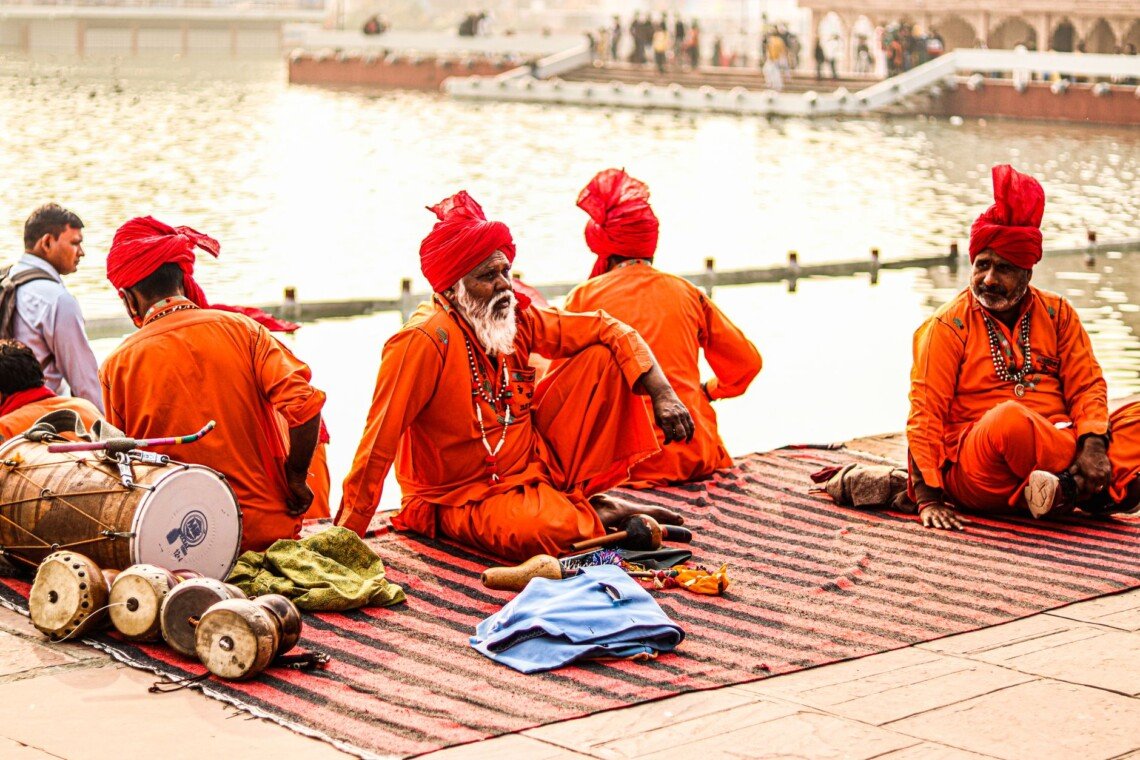
Devotional music in India, known as kirtan, bhajan, and mantra chanting, represents one of the most enduring and widespread spiritual practices in human history. Rooted in Hindu traditions dating back over 3,000 years, these practices were originally developed as methods for direct spiritual experience rather than mere entertainment. Traditional kirtans involve the repetitive chanting of sacred names or verses, often led by a guru or spiritual teacher within a community setting. The practice spreads through call-and-response patterns, creating a collective energy that amplifies individual participation. Historical records show that chanting was integral to devotional movements like the Varkari tradition in Maharashtra and the Naqshbandi Sufi orders in North India. These traditions emphasized accessibility – regardless of literacy, caste, or social status, anyone could participate in the healing power of devotional music.
Origins and Historical Significance
The Bhakti movement of the 12th century marked a pivotal moment in the development of devotional music as we know it today. Saints like Kabir, Mirabai, and Tulsidas composed thousands of verses expressing personal devotion to the divine, which were then set to melody and rhythm. These compositions weren’t merely religious texts but living expressions of spiritual experience that evolved through oral transmission. The medieval saints deliberately made their music accessible to common people, often criticizing ritualistic practices that excluded the masses. This democratization of spiritual expression laid the groundwork for modern kirtan culture, where the emphasis remains on personal connection rather than institutional religion.
Scientific Evidence Behind Devotional Music’s Healing Effects
Modern research is validating what ancient practitioners have known for centuries: devotional music produces measurable physiological and psychological benefits. A 2019 study published in the Journal of Alternative and Complementary Medicine found that participants who regularly chanted mantras showed significantly reduced cortisol levels, improved heart rate variability, and decreased symptoms of anxiety compared to control groups. Neuroimaging studies have revealed that mantra chanting activates the parasympathetic nervous system while reducing activity in the amygdala, the brain region responsible for fear and stress responses. Researchers at Harvard Medical School have documented measurable changes in brain wave patterns during kirtan sessions, with increased alpha and theta waves associated with deep relaxation and meditative states.
Statistics and Research Findings
Recent surveys provide compelling evidence of devotional music’s widespread impact:
- Over 70% of regular kirtan practitioners report decreased stress levels
- 65% experience improved sleep quality within weeks of practice
- 58% note enhanced emotional regulation and resilience
- 45% report stronger social connections and community belonging
These statistics come from a 2021 multi-center study involving over 2,000 participants across North America, Europe, and India. The research tracked individuals practicing various forms of devotional music for periods ranging from 8 weeks to 2 years, measuring both subjective well-being and objective biomarkers of stress and relaxation.
Modern Applications of Devotional Music for Wellness
Today, devotional music has transcended traditional religious boundaries and is being integrated into secular wellness practices worldwide. Corporate meditation programs in Silicon Valley companies like Google and Apple regularly feature kirtan sessions alongside traditional mindfulness practices. Healthcare institutions including the Mayo Clinic and Cleveland Clinic have incorporated mantra chanting into stress management programs for patients with chronic conditions. Music therapists increasingly use devotional music as a tool for treating depression, PTSD, and trauma-related disorders. Apps like Insight Timer and Headspace offer guided kirtan sessions, making these ancient practices accessible to people who might never have encountered them otherwise.
Case Studies and Personal Testimonials
Sarah Mitchell, a corporate lawyer from San Francisco, began attending weekly kirtan circles three years ago to manage her severe anxiety. She reports that her panic attacks decreased from weekly to monthly occurrences within six months of regular practice. Her cortisol levels dropped by 35% according to annual physical exams, and she was able to reduce her anti-anxiety medication under medical supervision. Similarly, James Rodriguez, a veteran struggling with PTSD, found relief through participation in a veteran-specific kirtan group. His trauma symptoms improved significantly, allowing him to reconnect with his family and return to meaningful work. These personal accounts mirror clinical observations that devotional music provides accessible, sustainable alternatives to expensive therapeutic interventions.
Getting Started with Devotional Music Practice
Beginning a devotional music practice doesn’t require special training or expensive equipment. Start by finding recordings that resonate with you – popular artists like Krishna Das, Snatam Kaur, and Deva Premal have created accessible introductions to various traditions. Begin with just 5-10 minutes daily, focusing on the rhythm and meaning of the words rather than perfect pronunciation. Many practitioners find it helpful to join online communities or local groups where the practice is communal rather than solitary. Consistency matters more than duration – even brief daily sessions create momentum for deeper benefits over time.
Practical Implementation Strategies
Here are actionable steps to integrate devotional music into your wellness routine:
- Choose one mantra or bhajan that speaks to your intention – perhaps seeking peace, healing, or gratitude
- Designate a quiet space for practice, even if it’s just a corner of a room
- Start with 5 minutes daily, gradually increasing to 15-20 minutes as comfort grows
- Consider using a mala (prayer beads) to keep count during repetitive chanting
- Track your emotional state before and after sessions to observe subtle changes
- Experiment with different times – morning practice energizes, evening practice calms
The key is approaching this practice with curiosity rather than expectation, allowing the healing to unfold naturally through consistent engagement.
Conclusion
The healing power of devotional music in India represents a perfect intersection of ancient wisdom and modern wellness needs. As scientific research continues to validate what practitioners have experienced for centuries, these practices offer accessible, affordable pathways to mental and emotional balance. Unlike quick-fix solutions that address symptoms temporarily, devotional music creates lasting transformation through consistent, joyful engagement with sacred sound and meaning. Whether you approach these practices from spiritual or secular perspectives, the benefits extend far beyond simple relaxation – they foster genuine connection, resilience, and inner peace that carries into all aspects of life. In a world that often fragments our experience into isolated components, devotional music reminds us of our capacity for unity, both within ourselves and with something greater than our individual selves.
Image by: Swastik Arora

 by







Latest Comments