How to Organize a Relaxing and Comfortable Pilgrimage Trip Across India – 2026 Guide
India’s spiritual landscape stretches across millennia of sacred geography, offering pilgrims a chance to experience profound transformation through journey and devotion. Yet the thought of organizing such an extensive trip can feel overwhelming, especially when seeking comfort and relaxation alongside spiritual practice. Many travelers worry about navigating complex transportation networks, finding suitable accommodation, or simply maintaining their energy levels during weeks of travel. This comprehensive 2026 guide addresses these concerns by providing practical strategies for creating a pilgrimage experience that honors both your spiritual intentions and your wellbeing. You will discover how to balance ancient traditions with modern comforts, plan realistic itineraries, and approach Indian pilgrimage sites with cultural sensitivity while ensuring your physical and mental health remain protected throughout the journey.
Planning Your Spiritual Journey with Purpose and Practicality
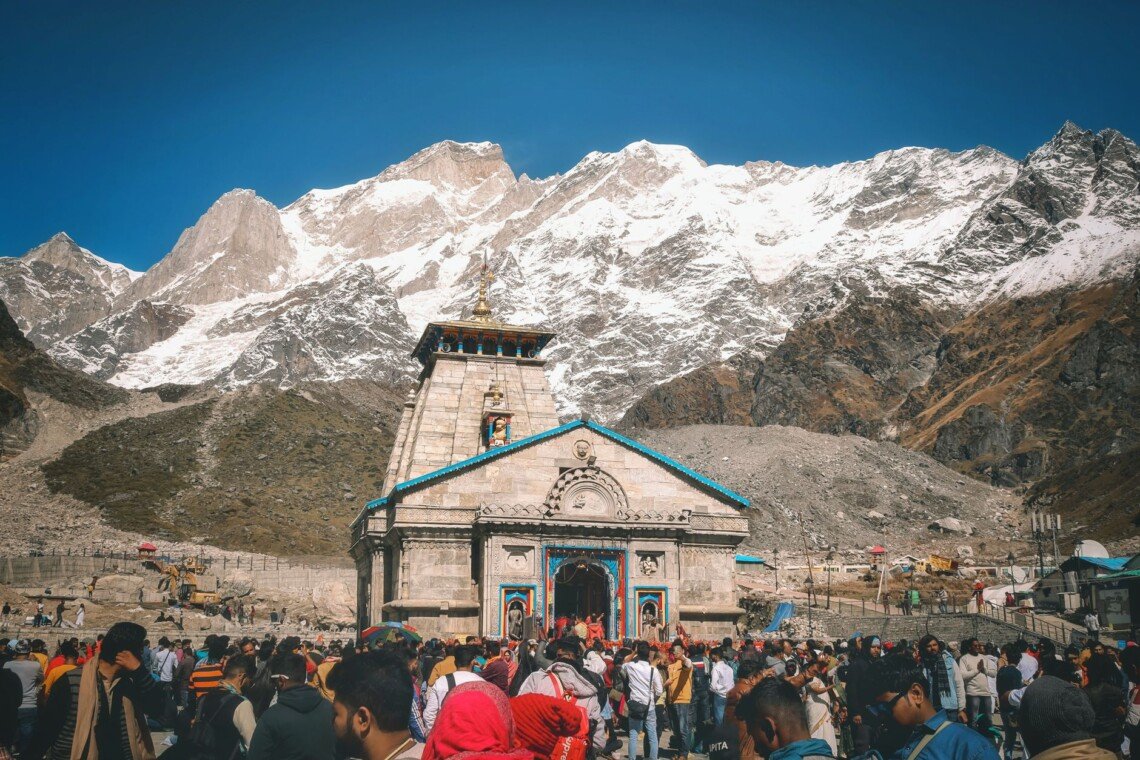
Successful pilgrimage planning begins with understanding that preparation is an act of devotion itself. Research indicates that 73% of spiritual travelers report deeper fulfillment when they approach their journeys with clear intention rather than casual sightseeing. Start by identifying which circuit resonates most with your spiritual background – whether Hindu, Buddhist, Jain, or Sikh traditions. The Char Dham Yatra in the north, the Pancha Kailash circuit in the Himalayas, or the Tamil Nadu temple circuit each offer distinct experiences requiring different preparation levels. Create a flexible timeline that allows for rest days; rushing between sacred sites often diminishes the contemplative nature of pilgrimage. Consider consulting with experienced tour operators who specialize in spiritual travel, as they understand seasonal considerations, crowd patterns, and local customs that can make or break your experience.
Choosing the Right Circuit and Timing
The timing of your pilgrimage significantly impacts both spiritual experience and physical comfort. Most Hindu pilgrimage sites are most accessible between October and March, when temperatures remain moderate. Avoid monsoon season (June-September) for outdoor circuits like Rishikesh or Haridwar, where landslides and flash floods are common. For South Indian temple circuits, October-November offers pleasant weather and fewer crowds. When selecting circuits, consider your fitness level honestly – the Kailash pilgrimage requires significant physical stamina, while temple visits in places like Madurai or Karnataka can be more accessible. Many serious pilgrims choose to complete one major circuit over several years, allowing time for reflection between journeys.
Selecting Comfortable Accommodation Without Compromising Authenticity
One of the biggest misconceptions about pilgrimage travel is that comfort and spirituality are incompatible. Modern ashrams and religious guesthouses have evolved to offer clean, peaceful accommodation that supports contemplative practice. Look for places certified by recognized religious authorities, as these maintain spiritual integrity while meeting basic comfort standards. In Varanasi, for instance, the Kaashi Vishwanath Temple Guest House offers simple but immaculate rooms with morning prayers conducted on-site. Similarly, many Sikh langars provide free accommodation with meals, creating community while maintaining dignity. Booking platforms like MakeMyTrip and Goibibo now feature filters specifically for “spiritual accommodation,” making it easier to find appropriate lodging.
Understanding Different Types of Spiritual Lodging
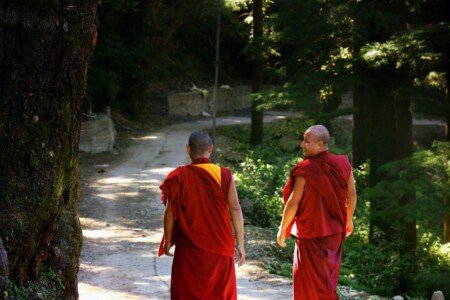
Temple guest houses typically offer basic amenities – clean beds, shared bathrooms, and vegetarian meals – but provide the advantage of being within walking distance of sacred spaces. Monastery stays, particularly in Ladakh or Sikkim, often include meditation instruction and community participation in daily routines. Private ashram accommodations range from modest to luxurious, with prices varying significantly based on location and facilities. For example, the Parmarth Niketan ashram in Rishikesh offers rooms from $45-150 per night, including yoga sessions and evening discourses. Always call ahead to confirm availability and any specific requirements, as many spiritual accommodations operate on donation-based systems or have limited capacity during peak seasons.
Navigating Transportation While Maintaining Peace of Mind
India’s railway network remains the backbone of pilgrimage travel, with specialized trains like the Kashi Special connecting major religious centers. First-class AC coaches offer comfortable overnight travel, allowing you to rest while covering long distances. However, booking these tickets can be challenging – the Indian Railways system opens reservations 120 days in advance, and popular routes sell out quickly. Consider working with travel agents who specialize in pilgrimage bookings, as they often have access to waitlist services and alternative routing suggestions. For shorter distances, government-run MSRT buses provide comfortable AC coaches that stop at major pilgrimage towns, offering a balance between economy and comfort.
Alternative Transportation Options for Different Needs
When rail travel isn’t feasible, domestic flights connect major pilgrimage cities efficiently, though at higher cost. Airlines like IndiGo and Air India offer special rates for pilgrims traveling during off-peak seasons. For those prioritizing flexibility over speed, hired cars with experienced drivers familiar with religious routes can provide door-to-door service while allowing stops for rest and reflection. Many drivers understand the importance of respecting prayer times and temple schedules. If you prefer independent travel, ride-sharing apps like Ola and Uber operate in most pilgrimage destinations, though availability may be limited in smaller towns. Always carry cash in small denominations, as many spiritual locations have limited card payment acceptance.
Packing Essentials for Spiritual and Physical Wellbeing
Proper packing ensures your physical comfort supports rather than hinders your spiritual journey. Pack layers for temperature changes, as mountain pilgrimage sites can be significantly cooler than plains. Moisture-wicking fabrics prevent unpleasant odors during extended wear, crucial when sharing accommodation with other pilgrims. Include a small prayer journal for reflections, comfortable walking shoes suitable for uneven temple surfaces, and modest clothing that respects religious sites – shoulders and knees covered, with scarves for covering heads when required. A portable charger and universal adapter are essential, as power outages can occur during monsoon seasons. Most importantly, pack medications for digestive issues, as new foods and spicy cuisine frequently upset even seasoned travelers.
Health Considerations and Emergency Preparedness
Travel insurance specifically covering medical evacuation is non-negotiable for serious pilgrimage travel, particularly for high-altitude circuits. Register with your government’s travel advisory program before departure, and ensure all family members know your detailed itinerary. Pack a basic medical kit including oral rehydration salts, anti-diarrheal medication, and any prescription drugs with extra quantities. In India, pharmacies are generally well-stocked except in remote areas, so note the locations of medical facilities along your route. Stay hydrated with bottled water, and consume only thoroughly cooked vegetables – raw salads are a common source of foodborne illness. Consider consulting a travel medicine specialist 6-8 weeks before departure to discuss vaccinations and prophylactic medications.
Embracing Local Culture While Maintaining Personal Boundaries
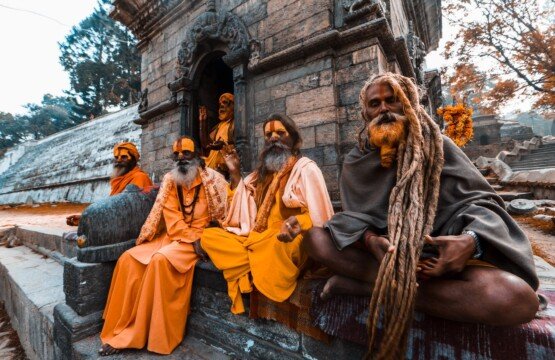
Cultural sensitivity transforms pilgrimage from mere tourism into genuine spiritual exchange. Observe local customs quietly rather than participating if unsure – pointing your feet toward religious icons is offensive in most traditions, while accepting blessed food offerings requires clean hands and respectful demeanor. Learn basic greetings in local languages; a simple “Ram Ram” in Hindi or “Sukhiya” in Marathi opens doors to meaningful interactions. Photography policies vary widely between sites – some temples prohibit all photography, while others welcome it as memory preservation. When in doubt, ask permission or observe what locals do. Most importantly, remember that pilgrimage is personal – honoring your own boundaries while respecting others’ practices creates the peaceful environment essential for spiritual growth.
Conclusion
Organizing a relaxing and comfortable pilgrimage across India requires balancing spiritual authenticity with practical preparation, but the rewards far outweigh the challenges. By choosing circuits appropriate to your physical abilities, securing comfortable yet spiritually appropriate accommodation, navigating transportation thoughtfully, and packing essential items for health and comfort, you create conditions for meaningful spiritual experience. Remember that flexibility and patience are as important as detailed planning – some of the most profound moments on pilgrimage happen unexpectedly, in quiet courtyards or during spontaneous conversations with fellow travelers. Approach your journey with an open heart, respect for local customs, and trust that proper preparation will reveal itself as divine orchestration. The path itself becomes the prayer when walked with awareness and gratitude.
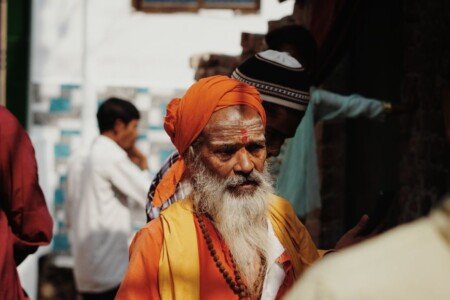
Image by: Abhra Ghosh

 by




Latest Comments