Step-by-Step Guide to Planning Your Comfortable Pilgrimage Tour in India
India’s spiritual landscape offers travelers a profound journey through sacred lands, ancient temples, and revered pilgrimage sites that have welcomed devotees for millennia. From the charismatic marble wonders of Rajasthan to the serene ghats of Varanasi, the subcontinent presents an unparalleled array of spiritual destinations that attract millions of visitors annually. However, planning a comfortable pilgrimage tour requires more than just packing your bags and heading out – it demands careful consideration of routes, accommodations, local customs, and practical logistics to ensure both spiritual fulfillment and physical comfort throughout your journey.
This comprehensive guide will walk you through every essential step of planning your ideal Indian pilgrimage experience, from selecting the perfect destinations to navigating local traditions with confidence. Whether you’re undertaking a traditional religious tour or exploring India’s rich spiritual heritage for personal growth, these expert travel tips will help you create meaningful memories while maintaining comfort and safety throughout your adventure.
Selecting Your Spiritual Destinations Based on Duration and Interests
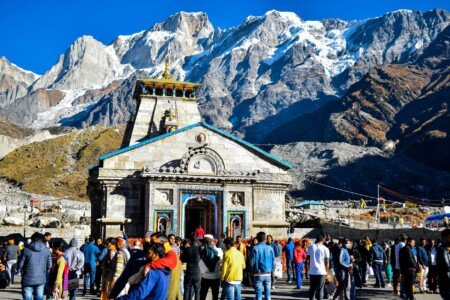
The first crucial decision in planning your Indian pilgrimage tour involves choosing destinations that align with your available time and spiritual interests. India’s religious landscape is incredibly diverse, encompassing Hindu temples, Buddhist monasteries, Jain temples, Sikh gurdwaras, and Christian churches that each offer unique spiritual experiences. For a comfortable 7-10 day itinerary, focusing on a single region like Rajasthan’s golden triangle (Ajmer, Mount Abu, and Delhi) allows for deeper immersion without excessive travel stress. Similarly, the Char Dham circuit in Uttarakhand provides four major Hindu pilgrimage sites accessible within a reasonable timeframe, while Kerala’s backwaters and Christian heritage sites offer a more relaxed coastal experience perfect for those seeking tranquility.
According to tourism data, approximately 8.2 million international tourists visited India’s religious sites in 2023, with pilgrimage tourism growing at 12% annually. The key is matching your physical endurance with appropriate destinations – for instance, Ladakh’s high-altitude Buddhist monasteries require acclimatization and quality gear, whereas the plains offer more accessible options for elderly travelers or those with mobility concerns. Consider consulting with local tour operators who specialize in spiritual tourism, as they maintain updated knowledge about seasonal closures, special events, and crowd management at popular sites.
Understanding Seasonal Considerations for Optimal Comfort
India’s climate varies dramatically across regions and seasons, making timing crucial for a comfortable pilgrimage experience. The most favorable periods for most pilgrimage sites are October through March, when temperatures remain pleasant and humidity is lower. However, each destination has its own optimal window – for example, the Hemis Festival in Ladakh occurs in June, while the Kumbh Mela in Prayagraj takes place every 12 years with specific dates based on ancient astronomical calculations. Researching these timing factors prevents unpleasant surprises and enhances spiritual experiences through participation in local celebrations rather than visiting during off-season lulls.
Strategic Transportation Planning for Seamless Travel
Efficient transportation planning separates comfortable pilgrimage tours from exhausting ones, particularly given India’s complex network of roads, railways, and domestic flights. For maximum comfort and flexibility, consider booking a private AC sedan or SUV with a experienced local driver-guide who understands both navigation challenges and cultural nuances at various destinations. Major pilgrimage sites like Varanasi, Rishikesh, and Jaipur have well-developed transportation infrastructure, but remote locations may require advance coordination with local transport providers who understand seasonal accessibility issues.
Indian Railways remains an excellent option for longer distances, offering both luxury trains like the Palace on Wheels and more economical AC classes that provide comfortable overnight travel between major cities. Booking tickets 120 days in advance through the IRCTC portal ensures availability, though private tour operators often handle this process professionally. For budget-conscious travelers, government-run buses connect most pilgrimage sites, though investing in quality seat reservations makes significant difference in comfort during multi-day journeys across the subcontinent.
Accommodation Selection Near Sacred Sites
Choosing accommodations requires balancing proximity to religious sites with comfort standards, especially during peak pilgrimage seasons when local hotels fill rapidly. Most major temples and mosques have dedicated guesthouses or ashrams offering simple but clean lodging at reasonable rates – these provide authentic experiences and often include meals as part of spiritual programs. For Western comfort standards, select hotels rated 3-star or above near pilgrimage sites, ensuring amenities like hot water, reliable internet, and air conditioning during summer months.
Ashram Lodging20-40On-site
| Destination |
Best Accommodation Type |
Average Nightly Rate (USD) |
Distance to Main Site |
| Tirupati |
Pilgrim Guesthouse |
15-25 |
On-site |
| Varanasi |
River-view Hotel |
40-80 |
2-5 km |
| Rishikesh |
| Amritsar |
Golden Temple Guesthouse |
25-35 |
Within complex |
Navigating Cultural Protocols and Spiritual Etiquette
Respecting local customs and spiritual protocols demonstrates genuine reverence while ensuring you don’t inadvertently offend hosts or disrupt religious practices. At Hindu temples, remove footwear before entering sanctum sanctorum areas, dress modestly covering shoulders and knees, and follow established queues for darshan (sacred viewing). Buddhist monasteries welcome respectful photography but prohibit flash usage inside prayer halls, while Sikh gurdwaras require head covering and covering shoulders during temple visits.
Timing your visits strategically enhances both spiritual experience and comfort – most temples open for morning prayers around 6 AM and close by 12 PM, with evening aarti ceremonies beginning around 6 PM. Planning meals according to local traditions prevents dietary conflicts – many pilgrimage sites offer langar (community kitchen meals) following strict vegetarian guidelines, while understanding fasting periods helps you appreciate seasonal religious observances rather than feeling confused by limited food options.
Health Preparations and Medical Considerations
Comprehensive health preparation distinguishes comfortable pilgrimage tours from potentially dangerous ones, particularly given India’s variable sanitation standards and altitude changes. Consult travel medicine specialists 6-8 weeks before departure to discuss necessary vaccinations (hep A, B, typhoid, and Japanese encephalitis for certain regions), prescription medications for digestive issues, and altitude sickness prevention for high-altitude destinations like Ladakh or Himachal Pradesh.
Carrying essential medications in original containers with doctor prescriptions helps during customs clearance, while maintaining basic first aid supplies including oral rehydration salts, anti-diarrheal medication, and pain relievers addresses common travel ailments. Many pilgrimage sites now offer basic medical facilities, but researching emergency hospital locations near each destination provides peace of mind for extended journeys through rural areas.
Financial Planning and Budget Management Strategies
Effective financial planning prevents stress during your pilgrimage while allowing flexibility for unexpected spiritual opportunities or extended meditation sessions. Daily budgets vary significantly based on accommodation choices and dining preferences – budget-conscious pilgrims can manage on $30-40 daily expenses through dharamshalas (pilgrim lodges) and street food, while mid-range comfort travelers typically spend $60-100 daily on decent hotels, restaurant meals, and local transportation.
Carrying mix of cash, credit cards, and digital payments provides maximum flexibility – while major cities accept cards widely, remote pilgrimage sites often operate cash-only, making ATMs essential stops at railway stations or banking areas. Exchange currency at authorized banks or reliable money changers rather than airports for better rates, and notify your bank of travel plans to prevent card blocks due to unusual transaction patterns during spiritual journeys.
Documentation and Permit Requirements
Maintaining proper documentation prevents bureaucratic delays that could disrupt carefully planned spiritual itineraries. Valid passport with at least six months validity required for Indian visa applications, while certain border regions like Ladakh necessitate protected area permits arranged through authorized tour operators. Some religious sites require advance registration for darshan, particularly during peak pilgrimage seasons when limited entry slots create demand.
Photocopying all important documents and storing digital copies securely ensures backup options if originals are lost during travel. Many Indian embassies now offer e-visa processing within 3-4 business days, though applying 2-3 months in advance provides buffer time for complex multi-entry permits needed for extended circuits covering multiple states and religious regions.
Deepening Spiritual Experience Through Local Connections
Authentic spiritual growth often emerges through meaningful connections with local communities, priests, or experienced pilgrims who share insights unavailable in guidebooks. Many temples maintain volunteer programs where visitors can participate in morning prayers, kitchen preparations, or cleaning activities – these offerings provide intimate perspectives while contributing positively to sacred spaces. Respectfully approaching elderly residents near religious sites often yields fascinating stories about regional traditions and personal spiritual journeys spanning decades.
Participating in local festivals or religious celebrations amplifies pilgrimage experiences significantly – checking regional calendars reveals seasonal events like Navratri in Gujarat, Durga Puja in West Bengal, or Gurpurab celebrations in Punjab that transform ordinary sacred sites into vibrant centers of devotion. These occasions provide opportunities to witness spontaneous community gatherings, traditional music performances, and collective spiritual expressions that deepen understanding of Indian religious culture beyond tourist perspectives.
Conclusion
Planning a comfortable Indian pilgrimage tour requires balancing spiritual aspirations with practical considerations, ensuring both physical well-being and meaningful religious experiences throughout your journey. By carefully selecting destinations aligned with your time constraints and interests, strategically managing transportation and accommodation choices, respecting local customs while remaining flexible, preparing thoroughly for health challenges, managing finances wisely, and actively engaging with local communities, you create optimal conditions for profound spiritual growth within a comfortable framework.
Remember that pilgrimage fundamentally represents personal transformation rather than checklist completion – allowing time for contemplation, spontaneous discoveries, and genuine connections with fellow travelers enhances the journey beyond mere sightseeing. With proper preparation following these expert guidelines, your Indian spiritual adventure promises not only comfort throughout the trip but also lasting inspirational impact that extends far beyond the geographical boundaries of sacred sites.
Image by: Nishant Aneja

 by





Latest Comments