How to Build Balanced Meal Plans for Diabetic Seniors: Expert Nutrition Tips for India
Diabetes management becomes increasingly complex as we age, especially for senior citizens living in India who face unique nutritional challenges. With over 70 million diabetes patients in the country, many elderly individuals struggle with maintaining stable blood sugar levels while preserving their overall health and quality of life. The traditional Indian diet, rich in carbohydrates and diverse flavors, requires careful modification to support diabetic seniors effectively. This comprehensive guide will help you understand how to create balanced meal plans that not only control blood glucose but also provide essential nutrients for healthy aging. You’ll learn practical strategies for portion control, smart food substitutions, and meal timing that can be adapted to your regional preferences and cultural eating habits. By following these evidence-based nutrition tips, you can empower yourself or your loved ones to manage diabetes more effectively while enjoying delicious, satisfying meals.
Understanding Diabetes Management in Senior Citizens
Managing diabetes in seniors requires a nuanced approach that considers age-related physiological changes, medication interactions, and lifestyle limitations. Unlike younger diabetic patients, elderly individuals often experience reduced kidney function, which affects how the body processes medications and nutrients. According to the International Diabetes Federation, adults over 65 have a 40-50% higher risk of developing complications compared to younger adults. This demographic also faces challenges with appetite regulation, digestive efficiency, and mobility, making meal preparation more complex. The key is recognizing that one-size-fits-all diabetes management doesn’t work for seniors.
Indian seniors typically consume 60-70% of their daily calories from carbohydrate-rich foods like rice, chapatis, and bread, which can significantly impact blood glucose levels. The solution lies in strategic carbohydrate counting and timing rather than complete elimination. For example, instead of avoiding rice entirely, seniors can learn to pair it with protein-rich foods like dal or paneer, which slows glucose absorption. Additionally, incorporating fiber-rich vegetables and legumes helps maintain stable blood sugar while providing essential micronutrients that often become deficient with age.
Age-Related Metabolic Changes and Their Impact
As we age, several metabolic processes slow down, directly affecting diabetes management. Insulin sensitivity decreases by approximately 1-2% per year after age 40, meaning the body requires more insulin to achieve the same glucose control. Muscle mass naturally declines, reducing glucose uptake capacity, while fat mass increases, contributing to insulin resistance. These changes mean that portion sizes that previously maintained stable blood sugar may no longer be effective.
For Indian seniors, this translates to needing smaller, more frequent meals with carefully balanced macronutrients. A typical lunch that might have been manageable in their 50s could cause significant blood sugar spikes in their 70s. The solution involves reducing portion sizes by 15-20% while increasing protein and fiber content. For instance, instead of a large plate of rice and dal, a senior might consume ¾ cup of brown rice, ½ cup of moong dal, and double the vegetable portion to maintain nutritional adequacy while supporting glucose control.
Creating Balanced Macronutrient Ratios for Diabetic Seniors
The foundation of effective diabetes management for seniors lies in establishing optimal macronutrient ratios that account for their changing metabolic needs. Research indicates that seniors with diabetes benefit most from a 45-50% carbohydrate, 20-25% protein, and 25-30% healthy fat distribution. This differs from standard diabetic recommendations by slightly increasing protein intake to preserve muscle mass and adjusting fat quality to support cardiovascular health.
In the Indian context, this means rethinking traditional meal compositions. Instead of relying heavily on refined flour products, seniors should emphasize whole grains like quinoa, millets (ragi, bajra, jowar), and minimally processed options. A balanced plate might include ½ cup of millet roti, ¼ cup of lean protein like grilled fish or poha, and generous portions of non-starchy vegetables. The key is understanding that not all carbohydrates are equal – complex carbohydrates with high fiber content have minimal impact on blood glucose compared to simple sugars.
| Meal Component |
Recommended Percentage |
Indian Food Examples |
| Carbohydrates |
45-50% |
Brown rice, millets, legumes, vegetables |
| Protein |
20-25% |
Dal, paneer, fish, eggs, poultry |
| Fat |
25-30% |
Olives, nuts, seeds, coconut oil |
Smart Carbohydrate Selection and Portion Control
Carbohydrate quality matters significantly for diabetic seniors, as the type of starch consumed directly influences post-meal blood sugar spikes. Complex carbohydrates found in legumes, barley, and whole grains have a lower glycemic index than refined flour products, leading to slower glucose release into the bloodstream. Indian staples like foxtail millet (kangni), finger millet (ragi), and barley (jau) offer excellent alternatives to white rice while providing superior nutritional profiles.
Portion control for seniors should follow the “plate method” – half non-starchy vegetables, quarter lean protein, and quarter complex carbohydrates. For a 70-year-old requiring approximately 1800 calories daily, this translates to about 200-250 calories from carbohydrates per meal. Practical examples include: one small roti (60g) made from whole wheat flour, ½ cup of cooked vegetables, and 100g of grilled chicken or tofu. This approach ensures adequate nutrition while preventing excessive glucose spikes that can occur with larger carbohydrate portions.
Timing and Frequency Strategies for Optimal Blood Sugar Control
Meal timing plays a crucial role in diabetes management for seniors, as irregular eating patterns can lead to dangerous blood sugar fluctuations. Research shows that consuming 20-30% of daily calories in the morning, 30-35% at lunch, and 25-30% in the evening optimizes glucose control while supporting circadian rhythms. For Indian seniors, this often means adjusting traditional heavy dinner patterns to lighter, more balanced evening meals.
The ideal eating schedule for diabetic seniors includes three main meals and one or two small snacks spaced 2-3 hours apart. Breakfast should emphasize protein and fiber to prevent morning hypoglycemia, while dinner should be lighter to avoid overnight blood sugar spikes. For example, a senior might eat: oatmeal with nuts for breakfast (7-8 AM), dal with vegetables and small roti for lunch (12-1 PM), a fruit or yogurt snack (4-5 PM), and grilled fish with salad for dinner (7-8 PM). This timing strategy helps maintain steady glucose levels throughout the day while accommodating social eating patterns common in Indian culture.
Managing Medication Interactions with Meal Timing
Many diabetic seniors take medications that require specific timing relative to meals, making meal planning a medical necessity rather than just a dietary choice. Metformin, commonly prescribed in India, should be taken with or immediately after meals to prevent gastrointestinal upset and enhance absorption. Sulfonylureas and insulin injections typically require food intake within 30 minutes to prevent hypoglycemic episodes, particularly dangerous for elderly patients who may not recognize low blood sugar symptoms.
Healthcare providers often recommend consistent meal timing to synchronize with medication schedules. For patients on multiple medications, creating a daily eating calendar becomes essential. For instance, a senior taking morning metformin should eat breakfast within 30 minutes of the dose, while evening insulin injections require a substantial dinner with complex carbohydrates and protein. Working with a dietitian to create a personalized medication-meal timing chart can prevent dangerous interactions while ensuring optimal medication efficacy.
Practical Meal Planning Strategies for Indian Diabetic Seniors
Effective meal planning for Indian diabetic seniors requires balancing cultural food preferences with medical necessities, a challenge that can be overcome with strategic preparation and smart substitutions. The key is batch cooking and pre-planning meals to ensure healthy choices are always available, reducing reliance on processed or restaurant foods that often contain hidden sugars and excessive sodium. Indian kitchens can prepare large quantities of healthy staples like brown rice, mixed vegetable curries, and protein-rich dishes that last several days.
Grocery shopping for diabetic seniors should focus on the perimeter of stores where fresh produce, dairy, and lean proteins are located, avoiding processed foods in the center aisles. Stock up on seasonal vegetables, seasonal fruits, whole grains, and lean protein sources available locally. For example, in South India, focus on available seasonal vegetables like bottle gourd, eggplant, and okra, while in North India, incorporate winter squashes and root vegetables. This approach ensures variety while maintaining nutritional balance and cultural appropriateness.
Weekly Meal Prep and Shopping List Templates
Creating a weekly meal prep routine saves time and ensures consistent healthy eating for busy seniors. Begin by selecting 3-4 protein sources available in your area – perhaps dal varieties, fish, eggs, and paneer – then build meals around these proteins with rotating vegetable combinations. A typical week might include: Monday – masoor dal with spinach and brown rice; Tuesday – grilled fish with mixed vegetable stir-fry; Wednesday – paneer bhurji with multigrain toast; Thursday – chana masala with cauliflower rice; Friday – vegetable poha with boiled egg; Saturday – mixed vegetable korma with quinoa; Sunday – dal tadka with mixed vegetables and small roti.
Maintaining a rotating shopping list prevents repetitive meals while ensuring nutritional variety. Essential pantry items include various dal varieties, whole grains, spices (turmeric, cumin, coriander), healthy oils (groundnut, coconut), and fresh produce that’s in season. Local markets often offer better prices and freshness than supermarkets, making it easier to afford variety. For example, a weekly list might include: 1kg brown rice, 500g various dal, 1kg seasonal vegetables, 500g paneer or fish, 12 eggs, 250g nuts/seeds, and fresh fruits. This systematic approach reduces decision fatigue while ensuring balanced nutrition.
Conclusion
Building balanced meal plans for diabetic seniors in India requires a holistic approach that considers age-related metabolic changes, cultural food preferences, and medical necessities. By understanding the importance of proper macronutrient ratios, strategic meal timing, and practical food choices, seniors can effectively manage their diabetes while enjoying satisfying, culturally appropriate meals. The key lies in making gradual, sustainable changes rather than drastic restrictions that are difficult to maintain long-term.
Success in diabetes management for seniors depends on consistent implementation of these principles combined with regular monitoring and professional guidance. Working with registered dietitians familiar with Indian cuisine, keeping blood sugar logs, and being prepared to adjust plans based on individual responses are essential components of long-term success. Remember that every small change toward better eating habits contributes to improved health outcomes, enhanced quality of life, and reduced diabetes-related complications for senior citizens throughout India.
Image by: Towfiqu barbhuiya

 by
by 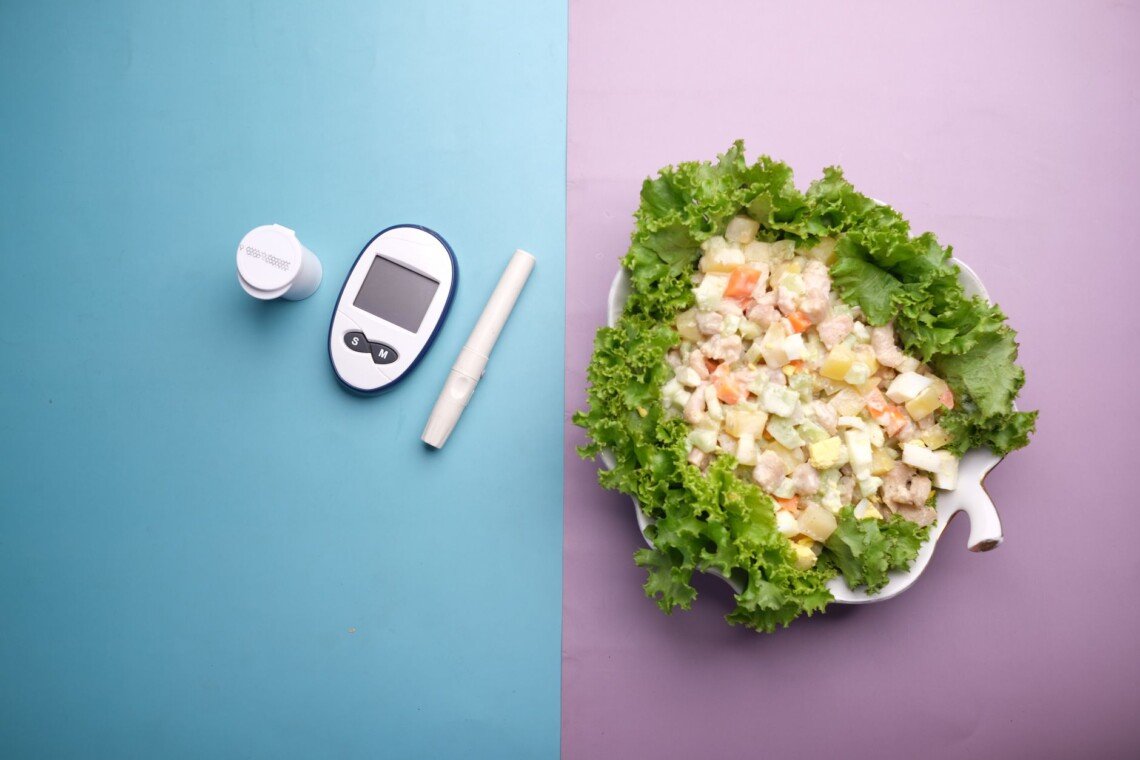






Latest Comments