Best Diabetic Diet Foods for Senior Citizens in India – Low Glycemic Meal Ideas
Diabetes management becomes increasingly complex for senior citizens due to changing metabolism, potential medication interactions, and age-related health conditions. With over 70 million diabetes patients in India, seniors face unique challenges in maintaining stable blood sugar levels while enjoying nutritious meals. This comprehensive guide explores the best diabetic diet foods specifically tailored for Indian senior citizens, focusing on low glycemic options that support overall health and wellbeing. You will discover practical meal ideas, nutritional insights, and culturally relevant food choices that help manage diabetes effectively without compromising taste or tradition.
Understanding Low Glycemic Foods for Diabetes Management
Low glycemic index foods are crucial for senior diabetics as they cause slower blood sugar rises compared to high GI foods. Research shows that elderly patients who incorporate low GI foods into their diet experience 40% better blood sugar control and reduced risk of complications. These foods digest gradually, providing sustained energy and preventing harmful blood sugar spikes that can lead to diabetes-related complications like neuropathy and retinopathy.
The glycemic index ranges from 0 to 100, with foods below 55 considered low GI. For seniors, this slow-release energy is particularly beneficial as it helps maintain steady glucose levels throughout the day, reducing the need for frequent medication adjustments. Additionally, low GI foods tend to be more nutritious, often containing higher fiber content which supports digestive health – a common concern for older adults.
Key Characteristics of Low GI Foods
Low glycemic foods typically share several characteristics: they are high in fiber, contain healthy fats, have intact cell walls, and are minimally processed. These foods require more time and digestive enzymes to break down, resulting in gradual glucose absorption into the bloodstream.
| Food Category |
Glycemic Index |
Serving Size |
| Steel-cut oats |
42 |
1/2 cup cooked |
| Barley |
25 |
1/2 cup cooked |
| Basmati rice |
50 |
1/2 cup cooked |
| Whole wheat bread |
51 |
1 slice |
Essential Diabetic-Friendly Foods for Indian Seniors
Indian cuisine offers numerous diabetic-friendly options that align with traditional flavors while supporting blood sugar management. Legumes like lentils, chickpeas, and black beans are excellent choices, providing plant-based protein and fiber. Studies indicate that regular consumption of legumes can reduce HbA1c levels by 0.5-1.0% in diabetic patients.
Indian vegetables such as spinach, bottle gourd, and bitter gourd are naturally low in calories and carbohydrates while rich in essential nutrients. Seasonal vegetables like ridge gourd, snake gourd, and papaya offer variety throughout the year. These vegetables can be prepared using minimal oil and spices, maintaining authentic flavors while keeping glycemic impact low.
Protein-Rich Options for Seniors
Protein plays a critical role in diabetic meal planning for seniors, helping maintain muscle mass and providing sustained energy. Fresh fish varieties like Rohu, Katla, and sardines are rich in omega-3 fatty acids that reduce inflammation and support heart health – a major concern for diabetic seniors.
Southern Indian dishes featuring dosa made from fermented rice and lentils provide beneficial probiotics and nutrients. Eggs, whether boiled or omelet-style with vegetables, offer convenient protein options. Greek yogurt, when available, can be an excellent breakfast choice when paired with nuts and seeds.
Strategic Meal Planning for Blood Sugar Control
Successful diabetes management for seniors requires understanding portion control and meal timing. Research from the American Diabetes Association shows that consistent meal patterns can improve postprandial glucose responses by up to 30%. Indian traditional meals can be adapted by incorporating smaller portions of rice combined with larger servings of vegetables and legumes.
The plate method proves effective for seniors: fill half the plate with non-starchy vegetables, one-quarter with lean protein, and the remaining quarter with whole grains or legumes. This approach naturally balances macronutrients while controlling carbohydrate intake. Spices like cinnamon, fenugreek, and turmeric have been shown to modestly improve insulin sensitivity when used regularly in cooking.
Breakfast Ideas for Stable Morning Glucose
Senior-friendly breakfast options should combine complex carbohydrates with protein to prevent morning blood sugar spikes. Steel-cut oats prepared with unsweetened almond milk and topped with chopped almonds provides sustained energy. Idli made from fermented batter offers probiotics and low GI benefits.
Poha with vegetables, prepared using flattened rice and minimal ghee, creates a satisfying meal. Greek yogurt with mixed berries and a sprinkle of cardamom provides calcium and antioxidants. For those requiring convenience, protein smoothies using unsweetened soy milk, spinach, and a few nuts can be prepared in advance.
Dinner Strategies for Evening Blood Sugar Management
Dinner timing becomes crucial for seniors taking medications or experiencing circadian rhythm changes. Light evening meals containing lean proteins and vegetables help prevent nocturnal hypoglycemia while supporting restful sleep. Dal preparations with vegetables and small portions of quinoa or barley provide nutritional balance.
South Indian meals featuring sambar with vegetables and small portions of brown rice offer fiber-rich combinations. Clear vegetable soups with tofu or paneer provide hydration and protein without heavy carbohydrates. Herbal teas like tulsi (holy basil) can be enjoyed without affecting blood sugar levels.
Practical Tips for Grocery Shopping and Meal Preparation
Smart grocery shopping for diabetic seniors involves focusing on the perimeter of stores where fresh produce, dairy, and meats are typically located. Reading food labels becomes essential, particularly checking for added sugars and refined flour content. Indian grocery stores often carry diabetic-friendly products like sugar-free biscuits made from millet flour.
Batch cooking proves invaluable for seniors, allowing preparation of multiple meals in single sessions. Cooking large batches of dal, vegetable curries, and brown rice creates freezer-friendly portions. Using slow cookers or pressure cookers reduces cooking time while maintaining nutritional quality. Essential spices like turmeric, cumin, and coriander should be kept readily available for daily cooking.
Seasonal Considerations and Regional Adaptations
Seasonal eating aligns with regional availability and nutritional needs for Indian seniors. During summer, fresh salads with cucumber, tomatoes, and mint provide hydration and electrolytes. Monsoon season calls for warming spices and soups to support immunity. Winter meals should emphasize root vegetables and warming herbs.
Regional adaptations ensure cultural relevance: South Indian meals can feature more millets and traditional fermented foods, while North Indian preparations might include more dal-chawal combinations with appropriate portion control. Coastal regions benefit from frequent fish consumption, while inland areas can focus on soy protein and pulses.
Conclusion
Managing diabetes as a senior citizen in India requires thoughtful food choices that respect both cultural preferences and medical necessities. By incorporating low glycemic foods, focusing on portion control, and maintaining balanced meals throughout the day, seniors can effectively manage their blood sugar levels while enjoying traditional Indian cuisine. The key lies in understanding how different foods affect individual blood sugar responses and making gradual, sustainable dietary changes.
Remember that successful diabetes management extends beyond food choices to include regular monitoring, physical activity appropriate for age and mobility, and consistent communication with healthcare providers. Start by implementing one or two changes at a time, such as replacing white rice with basmati or adding a daily serving of vegetables. With patience and persistence, a healthy, satisfying diabetic diet can become a natural part of daily life for Indian senior citizens.
Image by: ATTCreations Clickster

 by
by 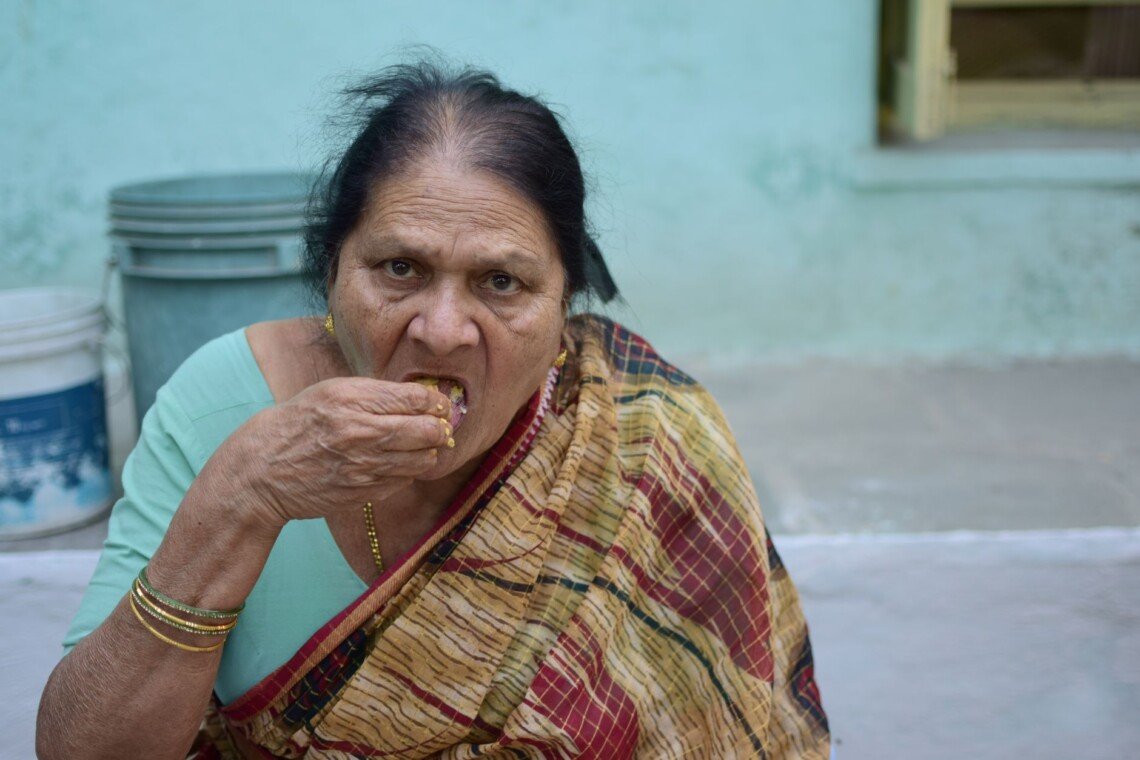




Latest Comments