Balanced Diet Plans for Diabetic Seniors in India: A Complete Guide to Blood Sugar Management
As India faces a growing diabetes epidemic among seniors, managing blood sugar through diet has become more crucial than ever. Over 70 million Indians aged 45 and above live with diabetes, with many struggling to maintain stable glucose levels despite medical treatment. The challenge lies in creating sustainable eating patterns that not only control blood sugar but also address the nutritional needs of aging bodies. For diabetic seniors in India, where traditional diets rich in carbohydrates and sweets dominate, finding the right balance requires careful planning and cultural sensitivity. This comprehensive guide will walk you through practical, India-specific dietary strategies that empower seniors to manage their diabetes effectively while enjoying flavorful, satisfying meals that respect their cultural preferences and economic realities.
Understanding Diabetes Nutrition Requirements for Senior Citizens
Diabetes management in seniors requires a nuanced approach that considers age-related metabolic changes, medication interactions, and lifestyle limitations. Unlike younger diabetics, seniors often experience reduced kidney function, which affects how they process nutrients, and may have difficulty with meal preparation due to mobility issues or cognitive decline. Research shows that elderly diabetics who follow structured meal plans have 40% better glucose control compared to those without dietary guidance. The key is understanding that carbohydrate counting, rather than strict carbohydrate elimination, forms the foundation of effective diabetes nutrition.
Indian seniors face unique challenges with portion control and meal timing. Traditional Indian meals often combine multiple carbohydrate sources – rice, chapatis, and noodles – which can quickly spike blood sugar levels. A typical 65-year-old diabetic may need only 45-60 grams of carbohydrates per meal, significantly less than standard recommendations. This requires careful meal planning that considers not just what to eat, but how much and when. For instance, replacing 2 cups of rice with 1 cup of quinoa and adding more vegetables can reduce carbohydrate content while maintaining meal satisfaction.
Key Nutritional Considerations for Age-Related Changes
Senior diabetics must prioritize protein intake to prevent muscle loss, which accelerates with age and can worsen insulin resistance. The recommended protein intake increases to 1.2-1.5 grams per kilogram of body weight daily for seniors with diabetes. Additionally, fiber intake should be increased to 25-30 grams daily to improve glycemic control and support digestive health. Vitamin D and calcium become crucial for bone health, especially since diabetes increases fracture risk. A study from the American Diabetes Association found that seniors following high-fiber diets experienced 25% fewer complications over five years.
Carb Smart Indian Meal Planning Strategies
Successful diabetes management begins with understanding carbohydrate quality and quantity in traditional Indian foods. Complex carbohydrates from whole grains release glucose slowly, while refined carbohydrates cause rapid spikes. Brown rice provides 2.3 grams of fiber per 100 grams compared to 0.4 grams in white rice, making it a superior choice for diabetic seniors. Similarly, choosing whole wheat chapatis over maida versions reduces glycemic impact by 30-40 percent.
The plate method offers an excellent visual guide for portion control: one-quarter plate non-starchy vegetables, one-quarter lean protein, and one-half complex carbohydrates. For a typical Indian lunch, this translates to 1 cup of mixed vegetables, 4-5 ounces of dal or chicken curry, and ½ cup of brown rice or 2 small whole wheat rotis. Timing matters too – consuming carbohydrates earlier in the day aligns with natural insulin sensitivity patterns, as seniors typically experience higher glucose tolerance in the morning compared to evening meals.
Low Glycemic Index Foods Popular in Indian Cuisine
Several Indian staples naturally support blood sugar management. Moong dal has a glycemic index of 29, making it ideal for diabetic meals, while chickpeas register at 28. Vegetables like spinach (GI 15) and bitter gourd (GI 15) cause minimal blood sugar elevation. Incorporating these foods regularly can improve overall glycemic control. For example, a breakfast of moong dal chilla with fresh coconut chutney provides sustained energy without glucose spikes.
Traditional fermented foods like idli and dhokla offer pre-digested carbohydrates that are easier to process. However, portion sizes remain critical – two small idlis contain approximately 30 grams of carbohydrates, suitable for most diabetic seniors. Spices also play a role; cinnamon, turmeric, and fenugreek have been shown to improve insulin sensitivity. Adding ¼ teaspoon of cinnamon to morning oatmeal or incorporating turmeric in vegetable curries provides both flavor and metabolic benefits.
Cultural Food Choices for Diabetes-Friendly Indian Diets
India’s culinary diversity offers numerous diabetes-friendly options across regions. South Indian meals featuring sambar, rasam, and vegetable curries with minimal rice provide excellent nutrition balance. North Indian dal-chawal combinations, when portion-controlled, can be managed effectively. Gujarati thali meals with undhiyu and rotis offer fiber-rich vegetarian options. The key is adapting traditional recipes rather than abandoning them entirely.
Regional specialties can be modified for diabetic needs. Instead of traditional sweets like gulab jamun, seniors can enjoy sugar-free jalebi made with erythritol or kheer prepared with almond milk and stevia. Bengali fish curries with brown rice provide omega-3 fatty acids essential for heart health, particularly important since diabetes increases cardiovascular risk in seniors. Coastal regions offer coconut-based dishes that are naturally low glycemic when prepared without added sugars.
Regional Diabetes-Friendly Meal Examples
Bengali Style: Start the day with doi (plain yogurt) and a handful of almonds, followed by lunch comprising ½ cup of luchi (whole wheat fried bread), 1 cup of dal, and 2 vegetable curries. Dinner can include 2 fish curry with ½ cup of steamed basmati rice and cucumber raita. This combination provides approximately 50 grams of carbohydrates per meal.
Gujarati Style: Morning smoothie of cucumber-mint yogurt drink, mid-morning snack of roasted chana, lunch with 2 whole wheat rotis, 1 cup dal, and mixed vegetable sabzi, evening snack of papaya cubes. Evening tea with biscuits made from jowar flour completes a day-long diabetic-friendly menu that respects local tastes while managing glucose levels effectively.
Practical Implementation and Monitoring Techniques
Successful diabetes management requires consistent monitoring and gradual implementation. Seniors should begin by tracking their blood glucose levels before meals and two hours post-meal to understand food impacts. Keeping a simple food diary for two weeks helps identify problematic foods and establish beneficial patterns. Working with a registered dietitian familiar with Indian cuisine ensures culturally appropriate guidance tailored to individual preferences and economic constraints.
Modern technology aids diabetes management through smartphone apps that track food intake and glucose levels. Many Indian cities now offer tele-nutrition services, making professional guidance accessible even in rural areas. Community support groups in senior centers or religious institutions provide motivation and shared learning opportunities. Regular HbA1c testing every three months assesses long-term control, while daily glucose monitoring helps identify immediate dietary impacts.
Emergency Meal Planning for Medical Situations
Seniors must prepare for medical emergencies that may affect eating patterns. During hospitalization or post-surgery periods, healthcare providers adjust carbohydrate intake based on metabolic demands. Having emergency meal supplies like sugar-free protein bars and glucose tablets ensures safe management during unexpected situations. Family members should understand basic diabetes nutrition principles to provide appropriate care when primary caregivers are unavailable.
Travel planning requires advance consideration of regional foods and meal timing. Packing portable snacks like nuts, seeds, and sugar-free biscuits prevents hypoglycemic episodes during long journeys. Understanding local cuisine in different Indian regions helps seniors make informed choices whether visiting Delhi’s street food markets or exploring Chennai’s traditional restaurants. Emergency contact information for local healthcare providers and pharmacies should always travel with diabetic seniors.
Conclusion
Managing diabetes as a senior in India requires a balanced approach that respects cultural food traditions while incorporating evidence-based nutritional principles. Success comes from understanding carbohydrate quality and quantity, choosing low-glycemic Indian foods, and implementing consistent monitoring practices. Regional dietary adaptations make diabetes management sustainable long-term, while modern tools and community support enhance outcomes. Remember that dietary changes should complement, not replace, medical treatment prescribed by healthcare professionals.
The journey toward better blood sugar control begins with small, consistent steps. Start by incorporating one diabetes-friendly meal per day, gradually expanding to full dietary transformation. Regular monitoring and professional guidance ensure safe progress toward health goals. With proper planning and commitment, diabetic seniors in India can enjoy satisfying, culturally appropriate meals while maintaining stable glucose levels and improving quality of life.
Image by: Towfiqu barbhuiya

 by
by 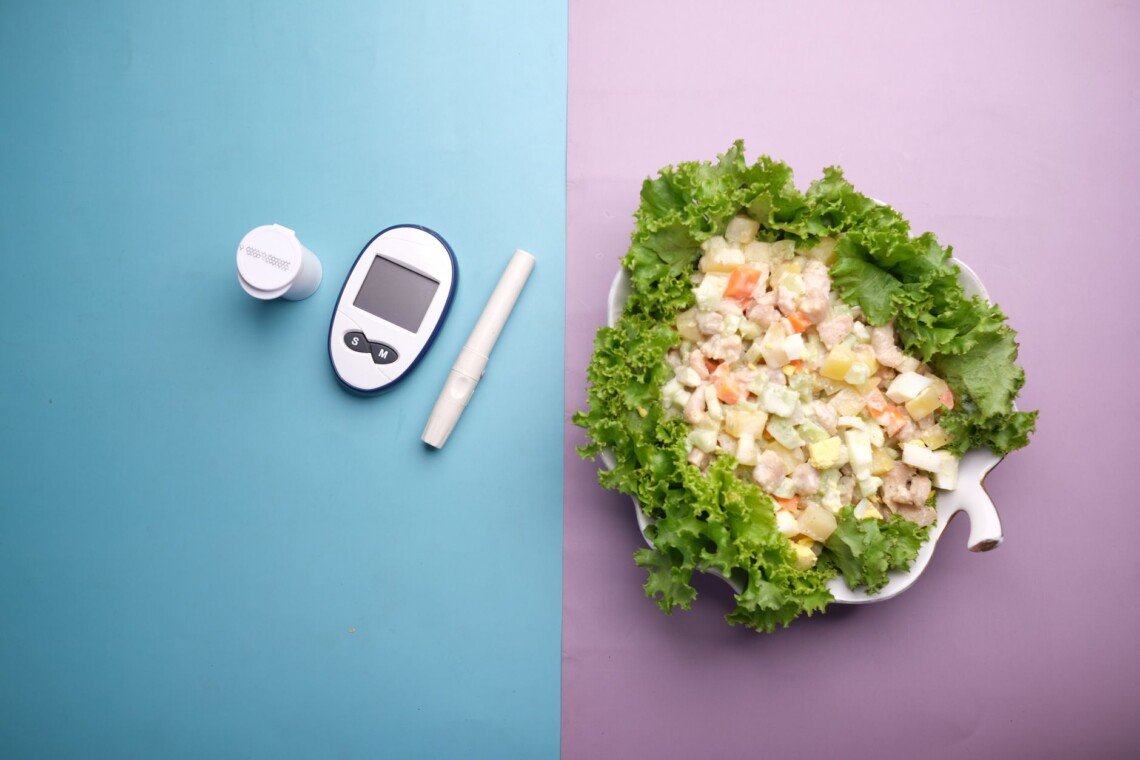



Latest Comments