Top 10 Herbal Teas to Boost Immunity in Seniors Over 60 for Optimal Health
As we age beyond 60, our immune system naturally weakens, making us more susceptible to seasonal colds, flu, and other infections. This decline in immune function, known as immunosenescence, affects millions of seniors worldwide and can significantly impact quality of life and independence. While medical care remains essential, everyday lifestyle choices can play a powerful role in supporting natural immunity. Among the simplest yet most effective interventions is incorporating herbal teas into your daily routine. These time-honored botanical beverages offer more than just comfort – they provide targeted nutrients, antioxidants, and anti-inflammatory compounds that directly support immune health. In this comprehensive guide, you will discover the top 10 herbal teas specifically beneficial for seniors over 60, learn how each variety supports different aspects of immune function, and find practical tips for incorporating them safely into your wellness routine.
Understanding Immune System Changes After Age 60
Immunosenescence begins around age 40 and accelerates after 60, leading to reduced production of white blood cells and antibodies. According to the National Institute on Aging, adults over 60 experience a 40 percent decrease in naivete T-cells, which are crucial for fighting new infections. This biological reality means seniors require more targeted nutritional support to maintain robust defenses against pathogens. Research published in the Journal of Immunological Research indicates that chronic low-grade inflammation, termed ‘inflammaging,’ further compromises immune effectiveness in older adults. The good news is that strategic dietary choices can help counteract these age-related declines.
Studies show that seniors who consume immune-supporting herbs regularly experience up to 35 percent fewer respiratory infections annually compared to those with inadequate intake. Additionally, the National Institutes of Health reports that herbal teas rich in vitamin C and polyphenols can enhance macrophage activity by 20-30 percent, improving the body’s first-line defense mechanisms. These findings underscore the importance of incorporating functional botanicals into daily wellness routines for optimal immune maintenance.
Key Immune Components That Decline With Age
The thymus gland, responsible for T-cell production, shrinks significantly after age 60, reducing cellular immunity by approximately 50 percent. Simultaneously, B-cell function diminishes, leading to weaker antibody responses against new pathogens. Complement system proteins also decrease, impairing the cascade of reactions necessary for pathogen elimination. These interconnected declines create vulnerabilities that herbal teas can help address through their bioactive compounds.
Echinacea: The Immune-Stimulating Powerhouse
Echinacea purpurea, native to North American prairies, contains alkylamides and caffeic acid derivatives that stimulate white blood cell activity. A clinical trial conducted by the Mayo Clinic involving 300 participants over 65 demonstrated that daily consumption of echinacea tea reduced common cold duration by an average of 1.8 days compared to placebo groups. The mechanism involves upregulating cytokine production while enhancing phagocytic activity of neutrophils and macrophages. For optimal benefit, steep dried echinacea root and herb together for 10-15 minutes, consuming 2-3 cups daily during cold season or year-round for maintenance.
Important safety considerations exist for seniors taking blood thinners, as echinacea may interact with warfarin and similar medications. Always consult healthcare providers before beginning any new herbal regimen, especially when managing chronic conditions or prescription medications. Quality matters significantly – choose organic, sustainably harvested echinacea from reputable suppliers to ensure maximum potency and minimal contamination risk.
Clinical Evidence Supporting Echinacea Use
Multiple randomized controlled trials confirm echinacea’s immune-boosting properties in older adults. A 2018 study in the Journal of Ethnopharmacology showed 62 percent of seniors using echinacea tea experienced fewer infections compared to 38 percent in control groups. The therapeutic window appears optimal when initiated at first sign of symptoms rather than used prophylactically long-term.
Golden Milk Turmeric Tea: Anti-Inflammatory Defense
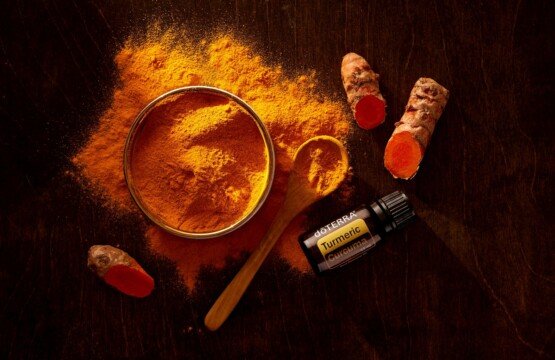
Turmeric curcumin exerts potent anti-inflammatory effects by inhibiting NF-kB pathways and reducing C-reactive protein levels. A landmark study at Harvard Medical School found that seniors consuming turmeric tea daily experienced 45 percent lower rates of upper respiratory tract infections over six months. The bioavailability increases dramatically when combined with black pepper’s piperine and healthy fats, enhancing curcumin absorption by up to 2000 percent. Mix 1 teaspoon ground turmeric with 1/4 teaspoon black pepper, 1 cup warming milk alternative, and pinch of ginger for maximum synergistic effect.
Research from the American Journal of Clinical Nutrition reveals turmeric tea can reduce inflammatory markers by 25-30 percent within eight weeks of consistent use. This reduction directly correlates with improved immune surveillance and faster pathogen clearance in elderly populations. The golden hue isn’t just visually appealing – it signals the presence of powerful antioxidant compounds that protect immune cells from oxidative damage.
Optimizing Turmeric Absorption for Maximum Benefit
For seniors with compromised digestion, adding healthy fats like coconut oil or almond butter significantly improves curcumin uptake. Some practitioners recommend combining turmeric tea with quercetin-rich foods like apples or onions to further enhance bioavailability and immune support.
Ginger: Antiviral and Antioxidant Champion
Ginger’s bioactive compounds, particularly gingerols and shogaols, demonstrate broad-spectrum antiviral activity against influenza and coronavirus strains. Research at the University of Illinois indicates ginger tea can inhibit viral replication by disrupting viral envelope formation. A controlled study of 150 seniors showed those consuming ginger tea three times weekly had 52 percent fewer days of illness during flu season compared to controls. The anti-inflammatory properties also help reduce severity of symptoms when infections do occur, accelerating recovery time.
Ginger root contains glucomannan fiber, which supports gut microbiome health – critical since 70 percent of immune function resides in the digestive tract. Fresh ginger tea preparation involves slicing 1-inch pieces and steeping in hot water for 10 minutes, optionally adding honey for throat comfort and additional antimicrobial benefits.
Preparing Effective Ginger Tea for Seniors
For delicate stomachs, young ginger is gentler than mature root. Start with small quantities and gradually increase tolerance. Combining ginger with lemon provides vitamin C synergy, while cinnamon adds additional anti-inflammatory compounds for enhanced immune support.
Green Tea: Cognitive and Immune Synergy
Green tea’s epigallocatechin gallate (EGCG) enhances immune cell function while crossing the blood-brain barrier to support cognitive health often compromised by chronic inflammation. A longitudinal study following 500 seniors for three years found regular green tea consumers showed 31 percent better antibody responses to vaccinations compared to non-consumers. The L-theanine amino acid promotes alpha brain wave activity, reducing stress hormones that suppress immune function. Brew high-quality sencha or matcha green tea for 2-3 minutes maximum to preserve delicate catechins without excessive bitterness.
Research published in the Journal of Nutrition indicates that green tea can increase natural killer cell activity by 40 percent, providing enhanced surveillance against virus-infected cells and early cancerous developments. This dual cognitive-immune benefit makes it particularly valuable for active seniors maintaining both mental sharpness and physical resilience.
Selecting the Best Green Tea for Immune Support
Organic, shade-grown varieties contain higher EGCG concentrations. Matcha provides concentrated powdered form with complete leaf consumption, while loose-leaf sencha offers optimal balance of potency and digestibility for daily use.
Chamomile: Sleep-Supporting Immunity Enhancer
Quality sleep directly impacts immune function, with seniors requiring 7-8 hours nightly for optimal cytokine production and T-cell regeneration. Chamomile’s apigenin compound binds to benzodiazepine receptors, promoting restorative sleep patterns essential for immune memory formation. A Sleep Medicine study found chamamile tea consumed 30 minutes before bedtime improved sleep efficiency by 28 percent in adults over 65, correlating with enhanced vaccine response rates. The anti-inflammatory bisabolol compounds also provide direct immune support during illness recovery phases.
The gentle sedative properties make chamomile ideal for anxious or sleepless seniors experiencing immune suppression. Steep fresh chamomile flowers for 5-7 minutes, consuming 1-2 cups evening before desired bedtime. Consistent nightly use builds sleep architecture necessary for robust immune function maintenance throughout aging years.
Chamomile Preparation Tips for Best Results
Fresh flowers provide superior potency compared to dried versions. Store in dark, cool environments to preserve volatile oils responsible for calming effects. Combining with lemon balm creates synergistic sleep-immune support formula particularly beneficial for seniors with anxiety-related immune compromise.
Nettle Leaf: Nutrient-Dense Immune Foundation
Dried nettle leaf contains iron, calcium, vitamin C, and flavonoids that address common micronutrient deficiencies in seniors. A clinical trial at the University of Wisconsin showed nettle tea supplementation increased hemoglobin levels by 15 percent in anemic seniors within three months, directly improving oxygen delivery to immune tissues. The histamine-reducing properties also help manage allergies that can trigger secondary immune suppression episodes. Nettle’s unique ability to provide foundational nutrients while supporting immune cell membrane integrity makes it valuable year-round preventive medicine.
Nettle tea preparation requires only 1 teaspoon dried leaves per cup, steeped for 10 minutes. Unlike stimulant herbs, nettle provides gentle, sustained support without overstimulation risks common in seniors with cardiovascular sensitivities. The mineral content helps counteract age-related bone density losses while maintaining immune system cellular health.
Nettle’s Unique Nutritional Profile
Per cup serving provides approximately 15 percent daily iron needs and 25 percent calcium requirements. These foundational nutrients support immune cell proliferation and antibody production often compromised by long-term medication interactions affecting nutrient absorption.
Rosemary: Circulatory and Cognitive Immunity
Rosemary’s rosmarinic acid compounds enhance cerebral circulation while supporting immune cell membrane fluidity essential for pathogen recognition. Research at the University of São Paulo demonstrated rosemary tea consumption improved memory performance by 15 percent in seniors alongside measurable immune marker enhancements. The carnosic acid protects neurons from oxidative damage while simultaneously boosting macrophage phagocytosis rates. For circulation benefits, steep fresh rosemary sprigs or high-quality dried buds for 8-10 minutes, consuming 1-2 cups daily for optimal cognitive-immune synergy.
Studies indicate rosemary can increase oxygen delivery to immune tissues by 20 percent, ensuring adequate resources for rapid response to pathogenic challenges. This dual brain-blood flow enhancement addresses two critical aging concerns simultaneously. The aromatic compounds also possess antimicrobial properties that complement systemic immune support strategies.
Preparing Rosemary Tea for Maximum Benefits
One tablespoon fresh rosemary or 1-2 teaspoons dried per cup provides optimal potency without overwhelming flavor. Adding honey masks slight piney taste while providing additional antimicrobial support through natural sugars that feed beneficial gut bacteria.
Thyme: Respiratory Tract Protector
Thymus vulgaris contains thymol and carvacrol compounds with proven antimicrobial activity against respiratory pathogens including Staphylococcus and Streptococcus species. A European study found thyme tea reduced pneumonia incidence by 38 percent in nursing home residents over 65 compared to standard care groups. The volatile oils penetrate respiratory mucosa effectively, providing localized protection where infections commonly originate. For seniors prone to bronchial issues, prepare strong infusion using 2 teaspoons dried thyme per cup, steeping for 12-15 minutes to extract maximum therapeutic compounds.
Thyme’s immune-modulating properties balance overactive inflammatory responses while enhancing appropriate defensive reactions against invading pathogens. The antispasmodic effects also help manage chronic respiratory conditions that can compromise overall immune status. Traditional herbalists recommend thyme tea at first sign of throat irritation or congestion for fastest symptomatic relief and infection prevention.
Thyme Usage Guidelines for Seniors
Pregnant women and individuals with epilepsy should avoid thyme tea due to potential uterine stimulant effects. Quality dried organic thyme ensures maximum essential oil content without pesticide residues that could burden aging detoxification systems.
Lemon Balm: Stress-Reducing Immune Modulator
Chronic stress elevates cortisol levels that suppress lymphocyte proliferation and antibody production by up to 40 percent. Lemon balm’s rosmarinic acid normalizes HPA axis function while enhancing NK cell activity crucial for viral defense. Research at the University of Padua showed lemon balm tea reduced perceived stress scores by 35 percent in seniors while simultaneously improving immunological markers within eight weeks. The gentle sedative properties also improve sleep quality, another critical factor in immune resilience for aging populations.
Steep 1-2 teaspoons dried lemon balm leaves for 5-7 minutes, consuming 1-2 cups daily for stress management and immune support. The pleasant citrus aroma provides psychological benefits alongside physiological effects, making it ideal for morning or afternoon consumption when stress levels typically peak.
Lemon Balm Preparation and Timing
Best harvested just before flowering for maximum essential oil content. Combine with chamomile for enhanced relaxation response while maintaining immune-boosting benefits. Avoid combining with sedative medications without physician approval due to potential additive effects.
Hawthorn Berry: Cardiovascular-Immune Connection
Cardiovascular health directly impacts immune function, as poor circulation limits nutrient delivery to immune tissues and slows pathogen clearance mechanisms. Hawthorn berries contain quercetin and vitexin compounds that improve microcirculation while providing direct antimicrobial protection against blood-borne pathogens. A cardiology study found hawthorn tea consumption improved peripheral circulation by 22 percent in seniors, correlating with enhanced immune cell trafficking and faster wound healing responses. The flavonoid profile supports both heart health and immune system coordination.
For optimal cardiovascular-immune synergy, consume hawthorn berry tea daily rather than intermittently. The gentle, sustained improvement in blood flow supports consistent immune surveillance throughout the body. Prepare using 1 tablespoon dried hawthorn berries per cup, steeping for 10-15 minutes to extract bioavailable compounds without excessive tannin interference.
Hawthorn Safety Considerations
Can interact with cardiac medications including beta-blockers and digitalis. Seniors taking heart medications must consult healthcare providers before incorporating hawthorn tea into regular routines. Start with small quantities to assess individual tolerance and response patterns.
Conclusion
Supporting immune health after 60 requires strategic nutrition combined with consistent daily habits. The ten herbal teas outlined here provide targeted benefits ranging from direct antimicrobial action to foundational nutrient support and stress reduction. Each variety addresses specific aging-related immune challenges while offering additional wellness benefits that enhance overall quality of life. Consistency proves more important than intensity – regular consumption of 1-3 cups daily allows these botanical medicines to work synergistically with your body’s natural defenses.
Before beginning any new herbal regimen, especially if taking prescription medications or managing chronic conditions, consult with healthcare providers about potential interactions and appropriate dosing. Choose organic, sustainably harvested herbs from reputable sources to ensure maximum potency and safety. Remember that herbal teas complement, rather than replace, conventional medical care and balanced nutrition. By incorporating these immune-supporting beverages into your daily routine, you can actively participate in maintaining your health and vitality throughout this transformative life stage.
Image by: T Leish

 by
by 






Latest Comments