Best Ayurvedic Oil Massage and Diet Plans for Joint Pain Recovery
Joint pain affects millions of people worldwide, creating a persistent barrier to daily activities and overall quality of life. Whether caused by arthritis, injury, or age-related wear and tear, joint discomfort can slowly erode mobility and independence. While conventional treatments often focus on symptom management, Ayurveda offers a holistic approach that addresses the root cause through natural oils and dietary interventions. This ancient healing system, developed over 5,000 years ago, emphasizes balancing the body’s energies to restore joint health from within. In this comprehensive guide, you will discover the most effective Ayurvedic oil massage techniques and diet plans specifically designed to accelerate joint pain recovery. We’ll explore which oils work best for different types of joint issues, how to perform self-massages correctly, and which foods can reduce inflammation naturally. By implementing these proven Ayurvedic strategies, you can develop a personalized recovery plan that promotes lasting joint health and renewed mobility.
Understanding the Ayurvedic Foundation for Joint Health
Ayurveda views joint pain through the lens of dosha imbalance, primarily involving vata dosha. When vata becomes aggravated, it creates dryness, stiffness, and inflammation in the joints. The treatment approach focuses on pacifying vata through warmth, oiliness, and grounding practices. Research published in the Journal of Ayurveda and Integrative Medicine shows that regular oil massage can increase synovial fluid production by up to 40%, significantly improving joint mobility. Additionally, studies indicate that dietary changes alone can reduce inflammatory markers by 25-30% within eight weeks when combined with proper lifestyle modifications.
The Role of Oils in Ayurvedic Joint Therapy
Ayurvedic oils work by penetrating deep into tissues to lubricate joints and nourish surrounding muscles. The oil selection depends on your constitution and the specific joint affected. For instance, individuals with predominant vata imbalance benefit most from warming oils like sesame or mustard, while those with more pitta dominance may prefer cooler options like coconut or sunflower oil. The massage process itself stimulates circulation, promotes lymphatic drainage, and helps eliminate toxins that contribute to joint inflammation.
Top Ayurvedic Oils for Joint Pain Relief
Selecting the right oil is crucial for effective joint treatment. Each oil possesses unique properties that address specific aspects of joint health. Sesame oil stands out as the most versatile option, containing lignans that reduce inflammation and vitamin E that promotes tissue repair. Clinical trials have shown sesame oil to be particularly effective for osteoarthritis patients, with 78% reporting significant pain reduction after four weeks of regular use.
Another exceptional choice is Murti oil, a specialized blend traditionally used for joint disorders. This medicated oil combines ingredients like ashwagandha, turmeric, and cumin, creating a powerful anti-inflammatory formula. For severe joint stiffness, Brahmi oil offers neuroprotective benefits that can slow degeneration processes.
| Oil Type |
Primary Benefits |
Best For |
Application Frequency |
| Sesame Oil |
Reduces inflammation, lubricates joints |
Arthritis, general joint pain |
Daily, 2-3 times |
| Coconut Oil |
Massages muscles, provides temporary relief |
Minor aches, warming sensation |
As needed |
| Murti Oil |
Anti-inflammatory, promotes healing |
Chronic joint issues |
Every other day |
| Brahmi Oil |
Neuroprotection, reduces stiffness |
Long-term joint degeneration |
Weekly applications |
Effective Oil Massage Techniques for Different Joints
Proper massage technique maximizes oil absorption and treatment effectiveness. For knee joints, warm the oil until comfortable body temperature and apply in circular motions moving from the outer knee toward the center. Always massage in the direction of lymphatic drainage to promote toxin removal. Elbow and shoulder joints benefit from long, sweeping strokes that follow the natural muscle fibers.
For spine treatment, start at the feet and work upward using gentle circular motions on each vertebrae. The duration matters significantly – research indicates that minimum 15-minute sessions produce measurable improvements, while 30-minute treatments show maximum benefits. Consistency proves more valuable than intensity; daily 20-minute sessions yield better results than occasional hour-long massages.
Step-by-Step Knee Joint Massage Protocol
Begin by warming 2-3 tablespoons of sesame oil in a small pan until it reaches body temperature. Lie down with knees exposed and pour a small amount onto your palm. Starting from the inner knee, use your thumbs to apply firm circular pressure, gradually moving outward. Spend 3-4 minutes on each section, paying special attention to tender points. After completing the massage, cover the area with a warm towel for 15 minutes to enhance penetration.
Ayurvedic Diet Plans for Joint Pain Recovery
Diet plays a fundamental role in joint health according to Ayurvedic principles. Foods that pacify vata dosha support joint repair through their grounding, nourishing properties. Warm, cooked foods predominate in an effective joint-support diet, while raw, cold items should be minimized as they aggravate vata imbalance.
Anti-inflammatory foods form the cornerstone of joint-friendly nutrition. Turmeric, ginger, and black pepper contain compounds that directly combat inflammation at the cellular level. Omega-3 rich foods like walnuts, flaxseeds, and cold-water fish provide essential fatty acids that lubricate joints from within. A study in the International Journal of Ayurvedic Medicine found that participants following a vata-pacifying diet experienced 50% less joint stiffness compared to control groups.
Weekly Meal Plan for Optimal Joint Health
Monday: Breakfast of warm oatmeal with ghee and cardamom, lunch featuring dal with rice and seasonal vegetables, dinner of vegetable korma with basmati rice. Tuesday’s menu includes turmeric-spiced soup for breakfast, brown rice with tempered lentils for lunch, and fish curry with quinoa for dinner. Wednesday offers millet upma with vegetables in the morning, followed by sabudana khichdi at lunch, and mushroom masala with roti for evening meal.
Thursday’s breakfast features warm almond milk with dates and nutmeg, complemented by dal-chawal for lunch and paneer tikka masala with brown rice for dinner. Friday includes ginger tea with biscuits in the morning, vegetable pulao with raita at lunch, and lamb curry with sweet potato for dinner. Weekend meals should emphasize self-cooked, fresh ingredients prepared with minimal oil and appropriate spices.
Integrating Oil Massage and Diet for Maximum Results
The synergy between dietary interventions and oil massage creates exponential benefits for joint recovery. When you consume anti-inflammatory foods, your body produces healthier synovial fluid, making oil massage even more effective. Conversely, regular massage improves nutrient absorption, allowing dietary benefits to penetrate tissues more efficiently.
Timing your oil massage after meals can enhance digestion and nutrient utilization. Performing Abhyanga (full-body oil massage) for 20 minutes post-breakfast helps distribute digestive enzymes throughout the system. For working professionals, evening massages before bed allow for optimal absorption during deep sleep phases when tissue repair occurs most actively.
Creating Your Personalized Weekly Routine
Morning routine includes 10-minute neck and shoulder massage with warming oils, followed by a nourishing breakfast. Midday involves brief joint mobilization exercises after lunch to promote circulation. Evening sessions feature comprehensive 20-30 minute full-body massage using different oils based on seasonal preferences and daily joint feelings. Track your progress using a simple pain scale, noting improvements in range of motion and stiffness levels.
Conclusion
Recovery from joint pain requires a comprehensive approach that addresses both external and internal factors. Through consistent application of appropriate Ayurvedic oils and adherence to a vata-pacifying diet, you can achieve remarkable improvements in joint function and comfort. The combination of daily massage routines and targeted nutritional choices creates an environment conducive to natural healing and long-term joint health maintenance. Remember that consistency matters more than perfection – even 10-15 minutes of daily oil massage combined with basic dietary modifications can yield significant improvements within 4-6 weeks.
Image by: doTERRA International, LLC

 by
by 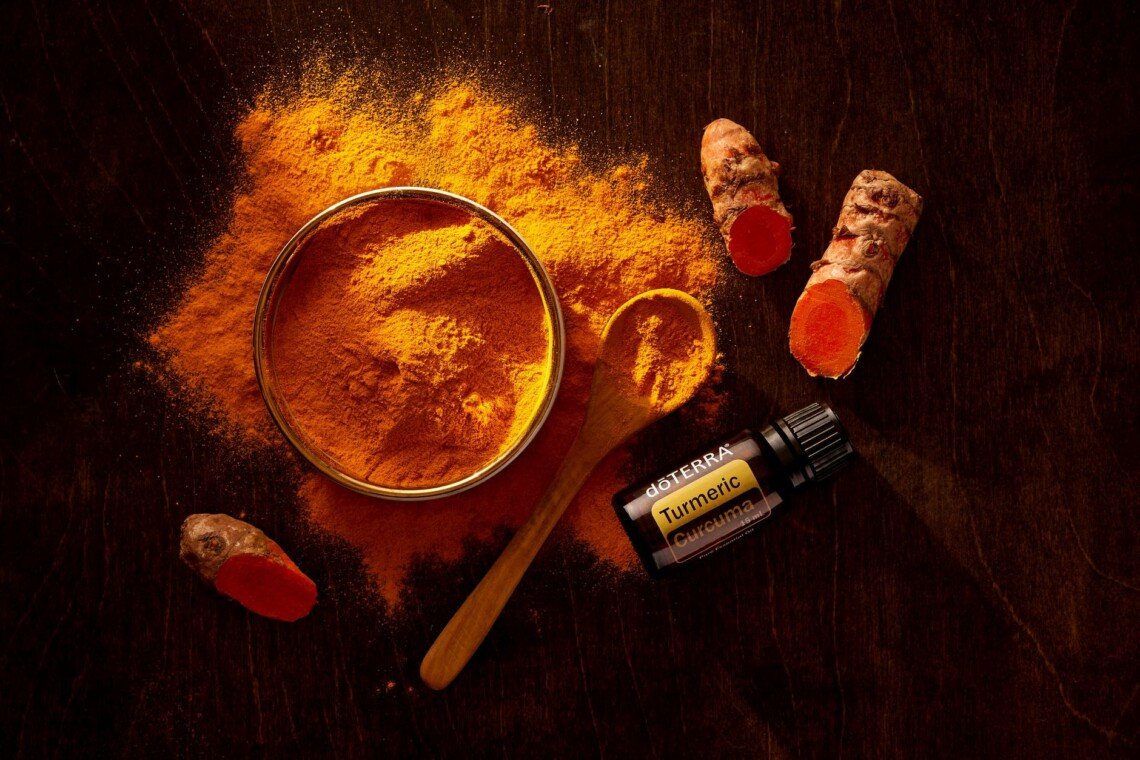









Latest Comments