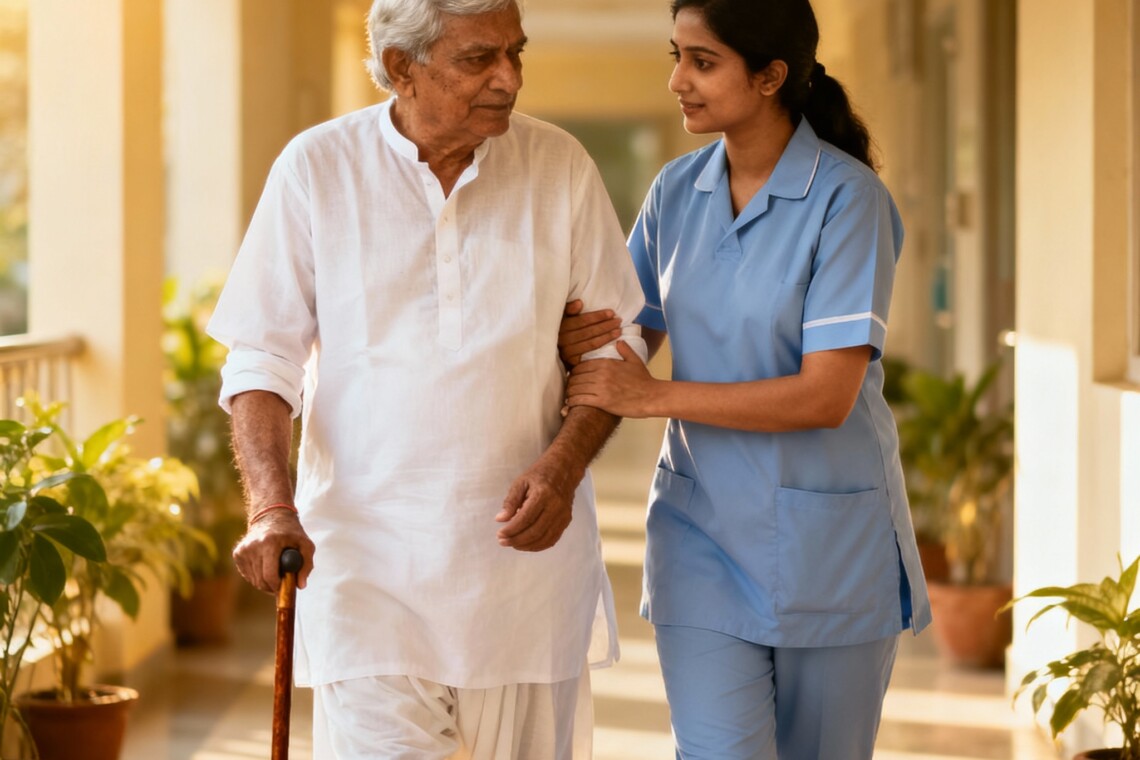
retirement homes India

Senior Living

Safe and Secure Living for Seniors in India

By Rakesh Vanarse | Safe and Secure Living for Seniors in India Safe and secure living for seniors is a defining priority as India’s population of those aged 60 and above climbs rapidly, set to reach nearly 160 million by the end of 2025. With this demographic shift, ensuring that elders can live in safety, free from risks and worries, is a central concern for families, caregivers, housing providers, and policymakers alike. In this blog, discover the essentials of safety and security in senior living, the latest approaches by communities and governments, and practical tips for every household. The Senior Safety Imperative India’s elders once enjoyed the natural protections of joint family systems, but urbanization, migration, and shrinking family units have put many at risk of both physical harm and emotional isolation. From falls and health emergencies to fraud, abuse, and social neglect, the spectrum of risks is broad. Today, a truly secure senior living environment must integrate physical safety, robust healthcare access, social security, emotional well-being, and legal protections. Home and Community Design for Safety Modern senior living communities, as well as retrofitted homes, are adopting advanced safety features: Barrier-Free Access: Ramps, elevators, wide doors, and step-free entryways help prevent falls and grant wheelchair and walker users seamless mobility. Fall Prevention: Anti-slip tiles, grab bars in bathrooms, handrails on both sides of staircases, fixed carpets, and motion-activated lights dramatically cut the risk of dangerous falls — a leading cause of hospitalization among the elderly. Surveillance and Security: CCTV cameras in common areas, 24/7 guards, emergency door locks, and video intercom systems form the backbone of modern senior safety. Strict visitor monitoring and access control offer further peace of mind to residents and families. Emergency Preparedness: Prominently displayed emergency exit plans, disaster drills, fire extinguishers, and first aid kits equip communities and homes to deal effectively with health, fire, or natural emergencies. Many facilities now keep medical records and emergency contacts accessible at all times. Technology as a Safety Enabler Smart technology is quickly becoming a silent guardian for seniors: Medical Alert Devices: Wearable buttons, in-room emergency bells, and fall detectors automatically alert caregivers and medical teams when help is needed. Smart Home Gadgets: Voice-controlled assistants, remote sensors, and automatic lighting keep elders safe from home hazards while bolstering their independence. Digital Security: Training sessions for seniors on digital banking, scam awareness, and privacy safeguards are now routine in top-tier communities, keeping financial and online fraud at bay. Legal and Community Protections Central and state governments have enacted laws and welfare schemes to safeguard seniors: Maintenance and Welfare of Parents and Senior Citizens Act (2007): Mandates legal protection and financial support, making neglect and abuse punishable offences.] Community Policing Initiatives: Police ‘Senior Citizen Cells’ and regular home visits in major cities create a vital safety net for elders, especially those living alone. Model Guidelines for Retirement Homes: Government and industry standards now recommend minimum safety benchmarks, better staff training, and restrictions on access to ensure safety across licensed senior homes. Emotional and Psychological Safety True security encompasses more than locks and alarms. Emotional well-being flourishes in communities that foster inclusion, engagement, and dignity. Friendship, scheduled wellness checks, group activities, and open grievance procedures prevent isolation and abuse, and help seniors feel seen, heard, and valued in their homes and residences. Proactive Tips for Every Household Declutter aggressively: Remove obstacles and keep walkways clear at all times. Enhance lighting: Bright, even illumination is essential, particularly for those with vision impairment. Install essential hardware: Grab bars, handrails, raised toilet seats, and non-skid mats are low-cost, high-impact investments. Emergency planning: Maintain a list of emergency numbers by every phone; prepare seniors and all caregivers with regular safety drills. Regular interaction: Frequent check-ins by family, neighbors, and police create both safety and emotional security.] Stay updated: Encourage seniors to attend awareness programs on elder rights and safety; take advantage of tech sessions whenever possible. The Path Forward Safe and secure living for seniors is a shared mission. The best results happen when families, communities, and authorities collaborate to provide not just adequate shelter, but homes of comfort, respect, and genuine security. With India’s seniors set to become nearly a fifth of the population by 2050, safe senior living is not just a trend — it’s a necessity for a compassionate and resilient society.

Mental Well-being for Seniors

Mind Matters: Mental Well-being for Seniors in Senior Homes in India

Mental Well-being for Seniors By Rakesh Vanarse Mental well-being is the silent cornerstone of healthy aging, yet for too long, the mental health of India’s senior citizens has remained a neglected conversation in the broader dialogue about elder care. As India’s population ages rapidly, progressive senior homes and retirement communities are leading the charge in recognizing, nurturing, and protecting the psychology, cognition, and happiness of their residents. Why Mental Health Matters as We Age Mental well-being in seniors encompasses everything from mood, memory, and cognition to a sense of belonging and purpose. Challenges in later life—such as bereavement, retirement, social isolation, chronic health issues, and loss of independence—can trigger or worsen depression, anxiety, and even dementia. Research shows that over 40% of seniors in India experience depressive symptoms, and as many as 8.8 million live with dementia—a figure projected to nearly double by 2036. Ignoring these concerns risks robbing elders of quality years, joy, and overall health.] Senior Homes: Cultivating a Supportive Environment The best senior living communities in India are shifting their focus from just physical health to holistic wellness. How do they do it? Awareness and Stigma Reduction: Regular talks, awareness drives, and mental health screenings break down outdated taboos and help staff, residents, and families recognize early signs of distress. Access to Counseling: Many facilities now provide on-site or tele-counseling, creating accessible pathways for emotional support, therapy, or psychiatric assistance. Caregiver Training: Community health workers and caregivers learn to spot the early signs of depression, anxiety, or cognitive decline, and how to approach and support affected individuals. Activities for Cognitive and Emotional Wellness Daily routines in senior homes are filled with enriching activities specifically designed for mental well-being: Memory Games and Brain Exercises: Sudoku, crosswords, puzzles, and memory recall exercises are central to maintaining mental acuity and possibly slowing cognitive decline. Arts, Crafts, and Music: Creative activities enhance mood, reduce anxiety, and preserve fine motor skills. Music has even been shown to evoke positive memories and joy, even among those with advanced dementia. Group Activities and Companionship: Shared meals, discussion groups, gardening, and festival celebrations nurture social connection—an important antidote to loneliness and its negative impact on mental health. Yoga, Meditation, and Mindfulness: Regular relaxation sessions reduce stress and improve emotional balance. Garba, bhajans, or guided meditation create opportunities for calm and connection. Lifelong Learning: Book clubs, guest speaker sessions, and computer classes stimulate curiosity and provide a sense of ongoing growth and purpose. Professional Support and Community Models Innovative Indian initiatives are making a mark: HelpAge India’s ‘Saarthak’ Program: This nationwide model brings mental health screenings, awareness, and counseling to old age homes and vulnerable communities. Training frontline workers ensures that even less-resourced homes can spot and address mental health needs. Companion Care Models: Some homes focus on “companion care”—structured, supportive peer interactions, sharing stories, hearty laughter, and encouragement, shown to combat loneliness and boost mood. Personalization and Family Involvement Senior homes go beyond a single approach—personalized care means understanding each resident’s likes, history, and needs. Regular family involvement, both through visits and digital updates, enhances emotional stability and ensures no elder feels abandoned or unheard. Addressing Challenges Ahead Despite innovation, India’s elders still face barriers: stigma, under-reporting, a shortage of geriatric mental health professionals, and gaps in awareness especially in rural settings. However, through collaboration between the government, NGOs, and evolving retirement communities, more seniors are gaining access to a dignified, well-supported aging journey. Conclusion The mental well-being of seniors in India’s senior homes is not a luxury—it’s the foundation for dignity, health, and happiness in later life. By combining proactive community programs, creative engagement, medical support, and above all, kindness, retirement communities are helping elders rediscover peace, joy, and daily meaning. Ensuring that “mind matters” in the golden years means recognizing that every elder has the right to live not just longer, but truly better.

Flexible Stay Options for Every Need for Seniors in India

Flexible stay options for seniors in India | By Rakesh Vanarse Is it possible for Senior citizens to stay in different parts of India and enjoy different places, weather, people and experiences? Today, it is! The evolving landscape of senior living in India is marked by a new commitment to flexibility—providing stay options tailored to the unique, varied, and changing needs of today’s seniors. Whether for a short break, trial experience, or permanent residence, modern retirement communities and senior homes now offer a spectrum of flexible stay options. This approach honors seniors’ autonomy and delivers care that adjusts as lifestyles and health change, ensuring dignity, security, and comfort at every stage. Understanding Flexible Stay Options No two seniors are alike: some are fully independent, others need occasional support, and many may require increasing assistance over time. India’s top senior living providers recognize this diversity and offer a range of solutions: Short-Term and Trial Stays: Many retirement homes offer the chance for elders to sample the community environment before making a long-term commitment. These stays may last from a few days to a few months, perfect for those needing convalescence after a hospital stay, whose caregivers are traveling, or who simply want a “holiday” with like-minded peers. Respite Care: Tailored for seniors whose family caregivers need a break, respite care provides reliable, round-the-clock assistance—often with all the amenities and activities of long-term residents. This provides peace of mind for families and welcome social interaction for seniors. Long-Term Residence: For those ready to make the move, senior communities offer permanent residency—often with varying apartment or villa layouts to suit preferences and budgets. This option ensures familiarity, ongoing health monitoring, and deep bonds within the resident community. Transitional and Post-Operative Care: Some homes specialize in short-term rehabilitation, supporting recovery with medical supervision, physiotherapy, and nutrition until the resident is ready to return home or shift to longer-term residence. Day Care: Larger cities are seeing the rise of day-care centers for elders, where seniors participate in wellness activities, meals, and social gatherings during the day and return home to family at night. Types of Accommodation Senior homes in India provide a wide palette of housing options: Independent Living: Designed for active seniors, these offer privacy, minimal support, and community engagement—often in 1-3 bedroom apartments or cottages within gated complexes. Assisted Living: For those needing daily help—bathing, dressing, medication—assisted living bridges the gap, offering greater support while protecting dignity and independence. Specialized Care Units: Facilities like dementia care, palliative care, and medical recuperation suites cater to complex medical and cognitive needs. Benefits of Flexible Options Flexible stays in senior living provide distinct advantages: Adaptability: Seniors and families can adjust living arrangements as health needs or circumstances change without the stress of frequent relocation. Stress-free Transitions: A short-term stay can serve as a low-pressure opportunity to adjust to communal living, meet new friends, and assess suitability for long-term residence. Peace of Mind for Families: Knowing that elders have safe, professional care during travel, emergencies, or family transitions is a major source of reassurance. Continuity of Care: If health declines or needs increase, residents can shift smoothly from independent to assisted living or specialized care—without losing community or familiarity. What Seniors Should Look For Ask about minimum stay durations and costs for different options. Evaluate the range of medical, social, and personal care services during both short and long-term stays. Inquire about transition plans as health needs change, and whether residents retain familiar staff or caregivers through these adjustments. Leading Communities and What They Offer From Olive Eldercare in Navi Mumbai, Antara in Dehradun and Noida, Ashiana in several cities, to luxury providers in Ujjain, Bangalore, and Bhubaneswar, India’s senior communities are setting new benchmarks in flexibility, care, and amenities.


Search

December 2025

  • M
  • T
  • W
  • T
  • F
  • S
  • S
  • 1
  • 2
  • 3
  • 4
  • 5
  • 6
  • 7
  • 8
  • 9
  • 10
  • 11
  • 12
  • 13
  • 14
  • 15
  • 16
  • 17
  • 18
  • 19
  • 20
  • 21
  • 22
  • 23
  • 24
  • 25
  • 26
  • 27
  • 28
  • 29
  • 30
  • 31

January 2026

  • M
  • T
  • W
  • T
  • F
  • S
  • S
  • 1
  • 2
  • 3
  • 4
  • 5
  • 6
  • 7
  • 8
  • 9
  • 10
  • 11
  • 12
  • 13
  • 14
  • 15
  • 16
  • 17
  • 18
  • 19
  • 20
  • 21
  • 22
  • 23
  • 24
  • 25
  • 26
  • 27
  • 28
  • 29
  • 30
  • 31
0 Adults
0 Children
Pets
Size
Price
Amenities
Facilities

Compare listings

Compare

Compare experiences

Compare

Reset password

Enter your email address and we will send you a link to change your password.

Powered by Estatik