Beating Retirement Loneliness in India: Practical Strategies for Senior Citizens
Retirement marks a significant life transition, yet for many senior citizens in India, it brings unexpected isolation rather than the peaceful fulfillment one might expect. With traditional joint families increasingly giving way to nuclear households and children relocating for career opportunities, loneliness has emerged as a silent epidemic affecting millions of elderly individuals across the country. According to the National Family Health Survey, over 40% of seniors living alone report feeling socially isolated, with depression and health complications often following closely behind. However, loneliness need not be an inevitable part of aging. This comprehensive guide explores proven strategies that senior citizens in India can implement today to build meaningful connections, maintain mental wellness, and create a fulfilling post-retirement life filled with purpose and companionship.
Building Community Connections Through Local Engagement
The foundation of overcoming retirement loneliness lies in actively creating and maintaining social connections within one’s community. In India’s diverse social fabric, numerous opportunities exist for seniors to reconnect with their surroundings and meet like-minded individuals. Religious institutions, whether temples, mosques, churches, or gurdwaras, often host regular community activities and senior groups that provide both spiritual fulfillment and social interaction. Additionally, many neighborhoods have informal senior citizen clubs that organize daily walks, shared meals, and cultural celebrations.
Local government initiatives have increasingly recognized this need. The Ministry of Aging coordinates programs like the National Social Assistance Scheme, which includes community centers known as CRRC (Community Resource and Research Centers) that offer various activities for seniors. These centers regularly organize yoga sessions, dance classes, and educational workshops specifically designed for older adults. For instance, in Bangalore, the ‘Senior Citizen Hub’ has successfully brought together over 200 seniors from different backgrounds to participate in weekly cultural programs.
Participating in Senior-Friendly Community Programs
India’s expanding network of senior-focused community centers provides excellent opportunities for regular social engagement. Organizations like the Age Foundation operate across multiple cities, offering everything from health check-up camps to recreational activities. Many municipal corporations now maintain dedicated senior centers that host activities ranging from traditional games like carrom and chess to modern pursuits like digital literacy classes. The key is identifying programs that align with personal interests and consistently participating, which helps build lasting relationships over time.
Leverage Technology for Meaningful Connections
In today’s digital age, technology serves as a powerful bridge connecting isolated seniors with family, friends, and communities across geographical boundaries. Smartphones equipped with video calling applications like WhatsApp, Zoom, and Google Meet enable seniors to maintain close relationships with distant children and grandchildren. According to recent data, over 60% of Indian seniors aged 60-70 now use smartphones, with many leveraging these devices primarily for staying connected with loved ones.
Online platforms specifically designed for Indian seniors have emerged in recent years, offering virtual social gatherings, interest-based groups, and even online learning opportunities. Websites like Seniorly and AgeCare connect seniors with caregivers, volunteers, and peers facing similar challenges. Social media groups on Facebook and WhatsApp provide spaces where seniors can share experiences, seek advice, and participate in virtual celebrations. For example, the ‘Indian Senior Citizens Chat Group’ on WhatsApp brings together over 500 seniors from across the country for daily conversations and mutual support.
| Platform |
Best For |
Accessibility Level |
| WhatsApp |
Family communication |
Easy |
| Facebook Groups |
Interest communities |
Moderate |
| YouTube |
Educational content |
Easy |
| Zoom/Google Meet |
Virtual gatherings |
Moderate |
Cultivating Meaningful Hobbies and Activities
Engaging in fulfilling activities represents one of the most effective ways to combat retirement loneliness while also bringing personal satisfaction and growth. Traditional Indian crafts like pottery, weaving, and embroidery offer not only creative expression but also opportunities to connect with cultural heritage and teach younger generations. Many NGOs specifically support senior artisans, providing platforms to sell their work and interact with customers.
Gardening, deeply rooted in Indian culture, provides both therapeutic benefits and tangible results that can be shared with neighbors and community members. The National Botanical Garden in Delhi and similar institutions across cities often conduct senior gardening workshops. Additionally, cooking classes and culinary groups allow seniors to share traditional recipes while learning new techniques, creating bonds over shared meals and cultural exchange.
Mother Teresa’s Good Shepherd Sisters in Kolkata run ‘Nawaab-e-Kashmir’ embroidery workshops exclusively for seniors, where participants not only learn traditional Kashmiri embroidery but also form lasting friendships. These programs typically charge minimal fees while providing materials, making them accessible to seniors from various economic backgrounds.
Physical Wellness and Social Integration
Exercise programs designed for seniors offer dual benefits of improved physical health and increased social interaction, addressing two critical aspects of quality of life in retirement. Regular participation in group exercises like yoga, tai chi, or simple stretching routines helps maintain mobility while creating opportunities for conversation and friendship building. Many community centers and healthcare facilities now offer senior-specific exercise classes that combine physical activity with social time.
Walking groups have proven particularly effective in Indian contexts, where weather permitting, early morning or evening walks through neighborhoods create regular social opportunities. In cities like Pune and Hyderabad, organized walking groups meet daily at local parks, combining exercise with discussions about current events, health topics, and personal experiences. The Arthritis Foundation of India reports that seniors participating in regular group exercises show 40% better adherence to their health routines compared to those exercising alone.
Traditional Indian games also provide excellent opportunities for social engagement while keeping minds active. Carrom clubs, bridge associations, and chess groups exist in most urban areas, often meeting at community centers, clubs, or even local tea stalls. These activities require minimal equipment but provide substantial social and mental stimulation.
Pursuing Lifelong Learning and Skill Development
Retirement offers the perfect opportunity to explore new interests and develop skills that might have seemed impossible during working years. Numerous adult education centers across India offer courses specifically designed for seniors, ranging from digital literacy to language learning. The Indira Gandhi National Open University (IGNOU) has been running senior citizen education programs since 1997, offering everything from basic computer courses to advanced literature studies.
Many libraries now maintain dedicated sections and programs for senior readers, including book clubs, storytelling sessions, and reading groups. The Delhi Public Library system runs ‘Senior Literacy Circles’ where participants discuss selected books over tea, fostering both intellectual engagement and social connection. Similarly, the National Museum in New Delhi conducts specialized tours and workshops for seniors, combining cultural education with peer interaction.
Cultural activities like classical music, dance, and drama provide excellent avenues for self-expression and community building. Institutions like the National Centre for the Performing Arts (NCPA) in Mumbai offer regular workshops and performances tailored for senior audiences, often featuring both participation and attendance options that encourage socializing before and after events.
Volunteering and Community Service Opportunities
Contributing to society through volunteering provides seniors with a profound sense of purpose while simultaneously creating meaningful connections with diverse groups of people. Numerous organizations actively seek senior volunteers for mentoring roles, teaching opportunities, and community outreach programs. The NSS (National Service Scheme) runs dedicated senior volunteer programs that match experienced individuals with causes they care about.
Educational institutions frequently welcome senior volunteers as reading buddies for children, career counselors for students, and support for various administrative activities. In Chennai, the ‘Grandparents@School’ program pairs retired teachers with primary school students, resulting in both improved academic outcomes for children and renewed sense of purpose for participating seniors.
Healthcare initiatives also provide excellent volunteering opportunities, with organizations like the Indian Red Cross and Rotary International regularly recruiting senior volunteers for health camps, awareness drives, and elderly care facilities support. These activities not only utilize the considerable experience and wisdom of senior citizens but also expose them to diverse communities and causes.
Conclusion
Combating retirement loneliness in India requires a multi-faceted approach that combines community engagement, technological connectivity, meaningful activities, and purposeful contribution to society. The strategies outlined in this article demonstrate that loneliness is not an inevitable consequence of retirement but rather a challenge that can be effectively addressed through proactive lifestyle choices and community support systems. Success depends on taking the first step – whether it’s joining a local walking group, learning to use video calling apps, or enrolling in a hobby class.
Importantly, these solutions work best when implemented gradually and consistently. Seniors should identify activities that genuinely interest them rather than pursuing generic suggestions. Family members play a crucial supporting role by encouraging participation while respecting individual preferences and limitations. With over 65 million seniors in India, the potential for creating interconnected, supportive communities is vast. By embracing these practical strategies, senior citizens can transform their retirement years into some of the most fulfilling and socially connected periods of their lives, proving that age truly is just a number when meaningful relationships and purposeful activities are present.
Image by: AJAY KUMAR

 by
by 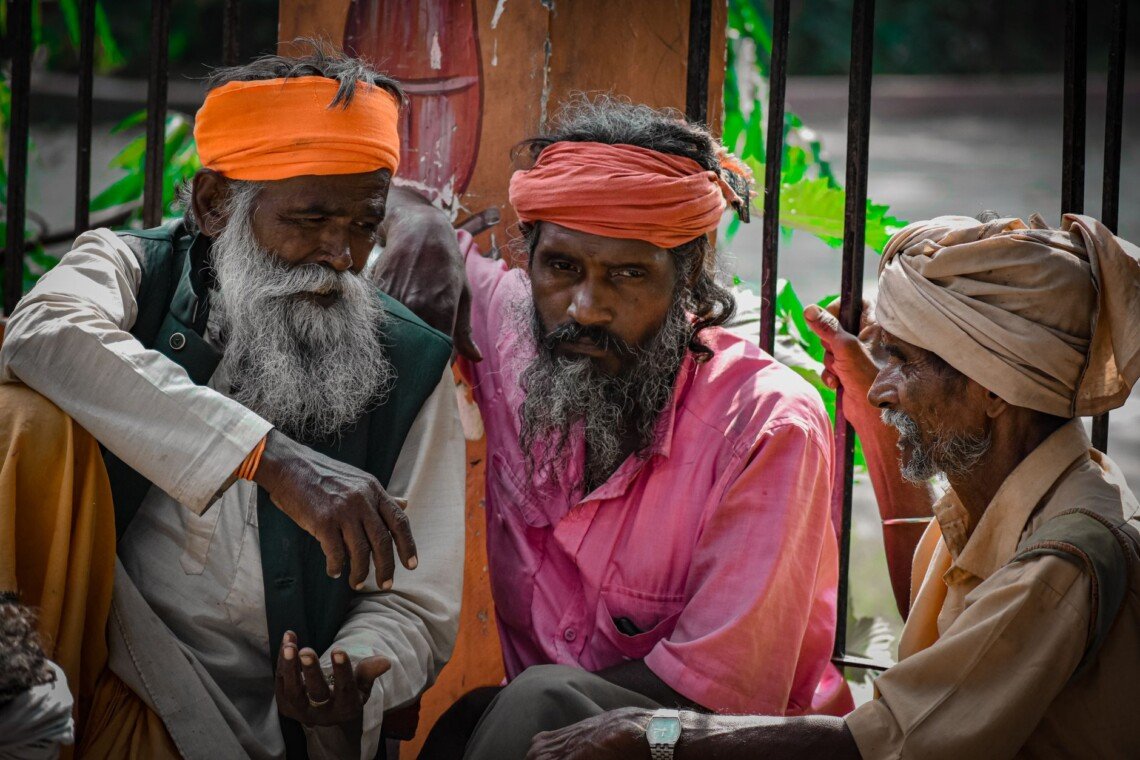






Latest Comments