Best Superfoods for Elderly Health in India: A Complete Nutrition Guide
As India’s population ages rapidly, with over 100 million people crossing 60 years of age, maintaining optimal health has become a critical concern for elderly families across the nation. The traditional Indian diet, rich in variety but often lacking in modern nutritional understanding, presents unique opportunities and challenges when it comes to supporting senior wellness. Many caregivers struggle with balancing taste preferences, dietary restrictions, and nutritional needs while managing conditions like diabetes, hypertension, and heart disease that disproportionately affect older adults. This comprehensive guide explores scientifically-backed superfoods specifically relevant to the Indian context, offering practical ways to enhance nutrition without compromising cultural eating habits or breaking budget constraints.
Understanding nutritional needs for seniors in the Indian context
Age-related physiological changes significantly impact how elderly individuals process nutrients, requiring strategic dietary adjustments. Muscle mass naturally decreases with age, making adequate protein intake crucial for maintaining strength and mobility. Simultaneously, absorption rates for certain vitamins and minerals decline, necessitating higher consumption of nutrient-dense foods. In India, where many seniors follow traditional vegetarian diets, ensuring complete amino acid profiles becomes particularly important. Additionally, the prevalence of chronic conditions like diabetes means that glycemic control through food choices takes precedence over simple caloric intake.
Research from the National Institute of Nutrition indicates that elderly Indians require 15-20 percent more protein than younger adults, alongside increased fiber intake to support digestive health. Hydration needs also rise significantly, as thirst perception diminishes with age. The traditional Indian cuisine, with its emphasis on legumes, whole grains, and seasonal vegetables, already provides many essential nutrients. However, strategic supplementation with specific superfoods can address common deficiencies in vitamin B12, omega-3 fatty acids, and calcium without drastically altering familiar meal patterns.
Key nutrients that become critical with aging
Several micronutrients demand special attention as we age, particularly in the Indian dietary landscape. Vitamin D deficiency affects over 90 percent of elderly Indians due to limited sun exposure and reduced skin synthesis capacity. Calcium requirements increase to support bone density maintenance, yet many traditional plant-based sources contain phytates that inhibit absorption. Iron absorption also becomes more challenging, making heme iron sources or carefully prepared plant-based alternatives essential. Finally, antioxidants like vitamin C, vitamin E, and polyphenols become increasingly important for combating oxidative stress that accelerates cellular aging processes.
Top Indian superfoods that deliver exceptional nutritional value
India’s rich biodiversity provides numerous superfoods that naturally address elderly nutritional requirements while respecting cultural dietary preferences. Almonds stand out as a powerhouse of vitamin E, magnesium, and healthy fats that support cardiovascular health and cognitive function. A small handful daily can significantly reduce inflammatory markers associated with age-related diseases. Similarly, ground flaxseed, though not traditionally emphasized, offers exceptional omega-3 fatty acid content that supports brain health and joint mobility. Regular consumption helps manage arthritis symptoms common among Indian seniors.
Spinach deserves its legendary status as a superfood, providing iron, calcium, and folate inLeafy greens like spinach and mustard greens offer plant-based nutrients critical for elderly health. A 2019 study published in the Journal of Nutrition and Health found that daily spinach consumption improved endothelial function in elderly participants within just eight weeks. Beyond spinach, amaranth leaves (chaulai) provide superior nutritional density compared to common greens, containing complete protein profiles and exceptional mineral content. These traditional foods, often overlooked in modern nutritional discussions, represent untapped potential for addressing senior health challenges.
Seeds and nuts for cardiovascular support
Cardiovascular disease remains the leading cause of death among Indian elderly populations, making heart-healthy nutrition absolutely essential. Sunflower seeds provide vitamin K and selenium, both crucial for blood pressure regulation and arterial health. Regular consumption has been shown to reduce systolic blood pressure by 5-7 mmHg in hypertensive patients. Pistachios, another excellent choice, contain L-carnitine that supports heart muscle function while their healthy fats help improve cholesterol profiles. A daily serving of 20-25 pistachios can contribute significantly to cardiovascular protection without adding excessive calories.
The combination of nuts and seeds creates synergistic benefits when consumed regularly. Almonds followed by cardio-protective nuts create a powerful preventive strategy. Walnuts add unique omega-3 ALA content that complements theomega-3 benefits found in flaxseed and chia seeds, creating comprehensive cardiovascular protection.
Cereals, legumes, and traditional grain alternatives
Traditional Indian grains and legumes represent some of the most potent superfoods for elderly health, offering sustained energy release along with essential nutrients often lacking in processed alternatives. Quinoa, though originally from South America, has gained popularity in Indian markets and provides complete protein with all nine essential amino acids. Its high fiber content aids digestion while its mineral profile supports immune function. Unlike refined wheat flour, quinoa maintains blood sugar stability, making it particularly beneficial for diabetic seniors.
Red lentils (masoor dal) deserve central placement in elderly nutrition plans due to their exceptional folate content and iron bioavailability. Studies show that regular red lentil consumption can reduce homocysteine levels, a known cardiovascular risk factor. Chana dal (split chickpeas) offers superior protein quality compared to other legumes, with a biological value that approaches that of animal proteins. These traditional foods, prepared using time-honored methods like sprouting or pressure cooking, maximize nutritional benefits while remaining culturally acceptable and economically accessible.
Ancient grains for bone and joint health
Brown rice, jowar, and bajra represent ancient grains that provide superior nutrition compared to refined alternatives. Brown rice contains magnesium and selenium that support bone density, while its fiber content helps regulate blood sugar levels. Jowar (sorghum) contains phytoestrogens that may help prevent osteoporosis in postmenopausal women, while its gluten-free nature makes it suitable for those with digestive sensitivities.
Bajra (pearl millet) stands out for its exceptional calcium content and phytochemical properties that reduce inflammation. Research indicates that daily bajra consumption can improve kidney function markers in elderly subjects. These grains, when properly prepared through soaking and sprouting, become even more nutritious and easier to digest. Mixing these ancient grains with legumes creates complete proteins that support muscle maintenance and overall health throughout the aging process.
Seasonal fruits, vegetables, and medicinal plants
Seasonal produce represents the freshest form of nutrition available to elderly Indians, with certain fruits and vegetables functioning as natural superfoods due to their exceptional antioxidant capacity. Carrots and beetroot, widely available throughout India, provide beta-carotene and nitrates that support vision health and circulation respectively. Beetroot’s natural nitrates help dilate blood vessels, offering natural blood pressure support without pharmaceutical intervention.
Bitter gourd (karela) deserves special mention for its unique combination of charantin and other bioactive compounds that directly improve insulin sensitivity. Multiple clinical trials have demonstrated bitter gourd’s effectiveness in managing blood glucose levels in diabetic patients. Regular consumption of properly prepared bitter gourd can reduce HbA1c levels by 1-2 percent, representing significant health benefits for elderly diabetics. Seasonal vegetables like spinach and amaranth continue to provide exceptional nutritional density when consumed fresh rather than preserved.
Medicinal plants with proven health benefits
Traditional Indian medicine recognizes several plants as superfoods due to their concentrated health benefits. Turmeric, particularly curcumin-rich varieties, provide powerful anti-inflammatory effects that can reduce joint pain and improve cardiovascular health. A 2016 meta-analysis confirmed that curcumin supplementation significantly reduced inflammatory markers in elderly populations. Ginger offers similar anti-inflammatory benefits while supporting digestive health and nausea management.
Amla (Indian gooseberry) stands out as one of the richest natural sources of vitamin C available in India, with concentrations five times higher than oranges. Its high antioxidant capacity supports immune function and skin health. When combined with Nimba leaves (neem) and Punarnava (Boerhavia diffusa), these medicinal plants create synergistic effects that support kidney function and reduce swelling commonly associated with aging. Regular consumption of these traditional superfoods, prepared as teas or powders, provides preventive healthcare that complements modern medical treatments.
Practical integration strategies for daily nutrition
Successfully incorporating superfoods into elderly dietary routines requires gradual implementation respecting taste preferences and cultural eating patterns. Starting with small modifications ensures sustainable adoption without overwhelming established habits. Begin by adding a tablespoon of flaxseed powder to daily curd or buttermilk, creating a simple breakfast enhancement that delivers omega-3 benefits without altering familiar flavors. Similarly, sprinkling almond flour over steaming hot vegetables creates immediate nutritional upgrades that seniors readily accept.
Meal planning becomes crucial for consistent superfood consumption. Preparing spinach dal twice weekly ensures daily iron and folate intake, while incorporating quinoa pulao once weekly provides complete protein sources. Creating a weekly shopping list that includes superfoods like amaranth leaves, flaxseeds, and almond butter makes incorporation effortless. Even simple substitutions like using brown rice instead of white rice, or adding choppy vegetables to daily curries, gradually build comprehensive nutritional foundations.
Kitchen preparations like sprouting lentils overnight or fermenting dosas with fermented millet batter maximize nutritional availability while maintaining traditional flavors. Creating superfood smoothies using seasonal fruits, greek yogurt, and spinach provides convenient nutrition delivery that many elderly individuals enjoy. The key lies in consistent repetition rather than dramatic dietary changes, allowing superfoods to become seamlessly integrated into daily routines.
Conclusion
The aging process demands proactive nutritional support, and India’s rich culinary heritage provides exceptional resources for meeting these needs effectively. By strategically incorporating superfoods like almonds, spinach, red lentils, and bitter gourd into daily routines, elderly individuals can maintain vitality while reducing chronic disease risks. The key lies not in dramatic dietary revolutions but in consistent, gradual additions that respect cultural preferences while maximizing nutritional benefits.
Success requires understanding that superfoods work best as part of balanced eating patterns rather than miracle solutions. Combining these nutrient-dense options with regular physical activity, adequate hydration, and proper medical care creates comprehensive wellness strategies. Healthcare providers should encourage families to view traditional Indian foods through modern nutritional lenses, recognizing that ancient wisdom often aligns perfectly with contemporary scientific understanding. The path to healthy aging begins with simple, sustainable changes that honor both cultural heritage and individual health needs.
Image by: João Jesus

 by
by 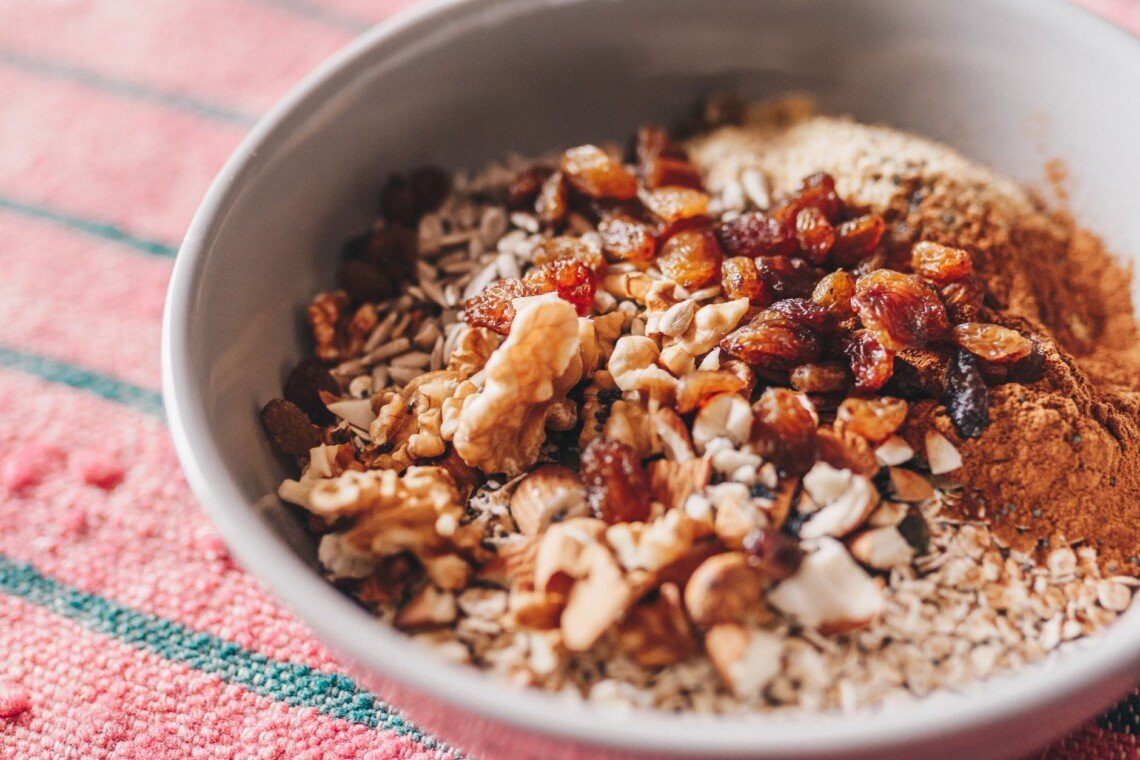








Latest Comments