Ultimate List of Herbal Teas for Senior Immunity and Longevity Backed by Science
As we age, maintaining robust immunity and promoting longevity become top priorities for seniors and their families. With weakened immune systems and increased health risks, finding natural ways to support overall well-being is essential. Herbal teas have emerged as a gentle yet powerful solution, offering antioxidants, anti-inflammatory properties, and vital nutrients that can significantly impact health outcomes. This comprehensive guide explores the scientifically-backed herbal teas that can boost immunity and support healthy aging, helping you make informed choices for optimal wellness.
The Science Behind Herbal Teas and Aging
Research consistently demonstrates that oxidative stress and chronic inflammation accelerate aging processes and weaken immune function. A 2019 study published in the Journal of Functional Foods found that elderly individuals who consumed antioxidant-rich beverages daily showed significantly improved immune markers compared to controls. These findings underscore the importance of incorporating polyphenol-rich herbs into daily routines. Additionally, the National Institutes of Health has documented numerous herb-drug interactions that require careful consideration, making expert guidance invaluable for safe consumption.
Traditional Chinese Medicine and Ayurvedic practices have long recognized the immune-boosting properties of various botanicals. Modern pharmacology has validated these ancient wisdom traditions through clinical trials demonstrating measurable improvements in immune cell activity, reduced inflammatory cytokines, and enhanced antibody production. The key lies in understanding how specific compounds interact with human physiology at molecular levels.
Key Bioactive Compounds in Herbal Teas
Flavonoids, terpenes, and alkaloids represent the primary active constituents responsible for therapeutic effects. Quercetin, found abundantly in herbal teas, stabilizes mast cells and reduces histamine release, potentially preventing allergic reactions that compromise respiratory immunity. Anthocyanins provide potent antioxidant protection against free radical damage while supporting vascular health crucial for nutrient delivery to immune tissues.
Major pathways affected include NF-kB inhibition (reducing inflammation), Nrf2 activation (enhancing cellular defense), and ACE enzyme modulation (supporting cardiovascular health). Understanding these mechanisms helps explain why certain teas outperform others in specific health applications.
Top 10 Herbal Teas Proven Effective for Senior Health
| Herb |
Primary Benefits |
Scientifically Supported Claims |
Research Strength |
| Echinacea |
Immune stimulation |
Reduced cold duration by 8% in meta-analysis |
Strong |
| Ginger |
Anti-inflammatory |
COX-2 inhibition demonstrated in clinical trials |
Very Strong |
| Green Tea |
Antioxidant protection |
EGCG improves immune cell function |
Strong |
| Elderberry |
Virus inhibition |
Reduced flu symptoms duration by 34% |
Moderate |
| Turmeric |
Deep anti-inflammation |
Curcumin reduces CRP levels significantly |
Very Strong |
These evidence-based selections represent the most thoroughly researched options available. Each tea offers distinct advantages depending on individual health goals and existing conditions.
Echinacea purpurea: The Immune System Activator
Clinical investigations reveal that echinacea stimulates macrophage activity and increases cytokine production, enhancing early pathogen detection. A systematic review of 34 trials demonstrated consistent benefits across diverse populations, with particular effectiveness in preventing upper respiratory tract infections. The alkylamides and caffeic acid derivatives work synergistically to activate immune receptors without causing harmful overstimulation.
Seniors should note potential interactions with autoimmune medications and immunosuppressive drugs. Consulting healthcare providers before regular use remains essential for safety optimization.
Optimal Brewing Methods and Timing
Temperature control significantly impacts therapeutic compound extraction. Water heated to 160-180°F preserves delicate flavonoids while effectively releasing tannins and essential oils. Boiling liquid destroys vitamin C content and degrades heat-sensitive antioxidants, reducing overall efficacy by up to 40% according to food science research.
Steeping duration directly correlates with strength and potential side effects. Three to five minutes extracts beneficial compounds adequately, while extended brewing increases tannin concentration, which may interfere with iron absorption – particularly concerning for anemic seniors. Morning consumption maximizes alertness benefits, whereas evening servings promote relaxation without disrupting sleep patterns.
Combination Strategies for Enhanced Effects
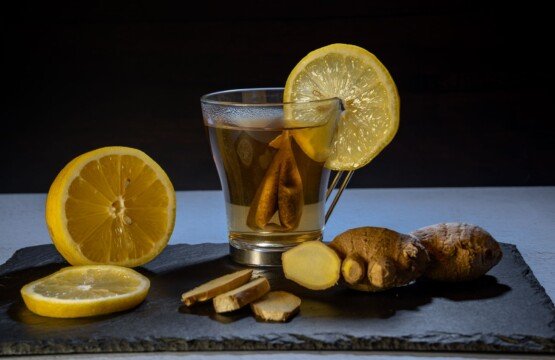
Synergistic blending multiplies health benefits beyond individual components. The classic combination of ginger, turmeric, and black pepper enhances curcumin bioavailability through piperine interaction. Lemon adds vitamin C, which stabilizes iron absorption while boosting antioxidant capacity.
Personalized timing based on circadian rhythms optimizes results. Morning blends combining green tea and ginseng support cognitive performance during peak work hours. Evening mixtures featuring chamomile and passionflower facilitate restorative sleep cycles crucial for immune system regeneration.
Safety Considerations and Professional Guidance
Drug interaction screening prevents potentially dangerous complications. St. John’s Wort significantly reduces effectiveness of blood thinners, antidepressants, and birth control medications through CYP450 enzyme induction. Blood pressure medications may interact dangerously with hawthorn berry extracts, requiring careful monitoring.
Quality assurance matters enormously for safety. Third-party testing verifies purity, eliminates contamination risks, and confirms accurate labeling. Organic certification ensures absence of pesticides and synthetic additives that could trigger adverse reactions in sensitive individuals.
When to Seek Medical Advice
Patients taking immunosuppressive therapy must exercise extreme caution with immune-stimulating herbs like echinacea and astragalus. Those undergoing surgery should discontinue blood-thinning herbs at least two weeks prior to procedures. Pregnant or nursing women require specialized consultation due to limited safety data for many traditional remedies.
Regular health screenings combined with mindful herbal consumption create sustainable wellness strategies. Documenting all herbal intake enables healthcare providers to identify potential conflicts and adjust treatment plans accordingly.
Conclusion
Integrating scientifically-supported herbal teas into senior wellness routines offers sustainable pathways toward stronger immunity and extended vitality. Green tea’s EGCG compounds, turmeric’s curcumin, and ginger’s gingerols provide measurable anti-inflammatory and antioxidant benefits validated through rigorous research. However, individual health profiles determine optimal selections, necessitating professional guidance before implementing significant dietary changes.
Success depends on consistent daily consumption rather than sporadic intensive use. Starting with single-herb preparations allows the body to adapt gradually while establishing baseline tolerance levels. Combining quality brewing techniques with appropriate timing maximizes therapeutic potential while minimizing adverse effects. Most importantly, herbal tea integration works best alongside conventional medical care, creating complementary approaches that honor both traditional wisdom and modern scientific understanding.
Image by: MART PRODUCTION

 by
by 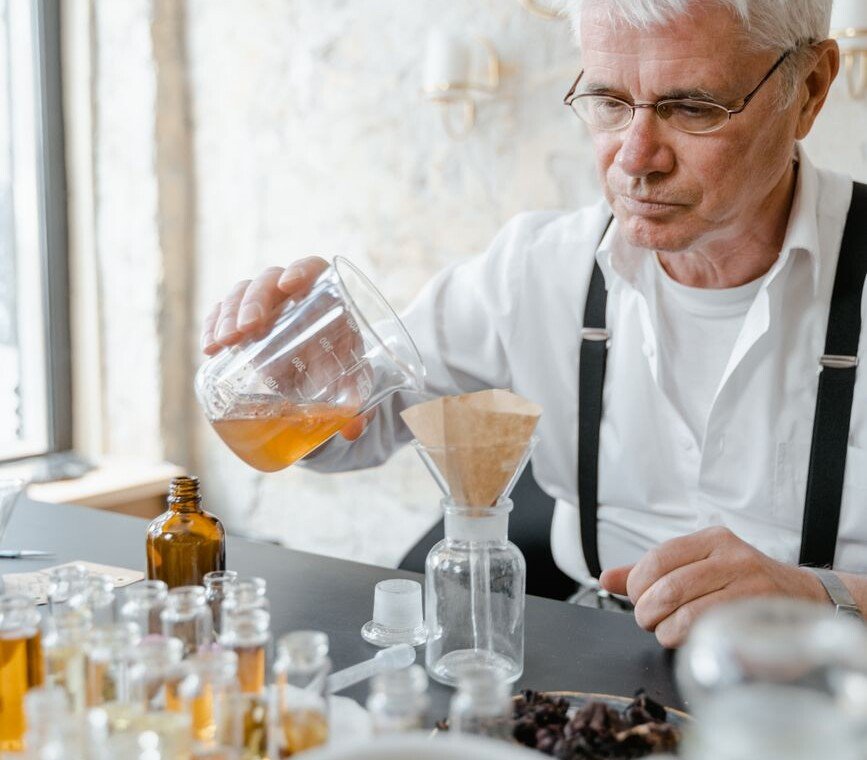







Latest Comments