Herbal Teas That Strengthen Immunity in Golden Years: Expert Recommendations and Recipes
As we enter our golden years, our immune system naturally becomes more vulnerable, making us more susceptible to seasonal illnesses and infections. With aging comes decreased immune function, reduced vaccine efficacy, and increased chronic inflammation – challenges that can significantly impact quality of life. However, nature offers a beautiful solution through carefully selected herbal teas that have been traditionally used to boost immunity and support overall health in older adults. This comprehensive guide will explore the most effective herbal teas for immune support, backed by scientific research and traditional wisdom. You’ll discover expert-recommended blends, simple recipes to create at home, and practical tips for incorporating these healing beverages into your daily routine. Whether you’re looking to prevent illness or support recovery, these carefully curated herbal teas represent a natural, gentle, and delicious approach to maintaining vibrant health during your most precious years.
Understanding Immune System Changes in Aging
The aging process brings significant changes to our immune system that directly impact how we fight off infections and maintain health. Immunosenescence, the gradual deterioration of immune function that occurs with age, begins as early as our 20s and accelerates after 65. Research shows that older adults experience a 30-50 percent reduction in naive T-cells, which are crucial for fighting new pathogens. Additionally, the thymus gland, responsible for T-cell production, shrinks significantly with age, leading to decreased immune surveillance. Chronic low-grade inflammation, often termed ‘inflammaging,’ further compromises immune effectiveness while increasing risk for various age-related diseases.
These physiological changes manifest in several practical ways for seniors. We notice that common illnesses that once resolved quickly may now linger for weeks, requiring more rest and recovery time. Vaccine responses become less robust, meaning flu shots and other immunizations may require additional doses for optimal protection. Wound healing slows, and minor cuts or scrapes may take longer to heal properly. Furthermore, older adults often experience more frequent infections, particularly respiratory tract infections like pneumonia and influenza, which can have serious complications.
Understanding these changes is crucial because it explains why preventive measures become increasingly important. Rather than waiting for illness to strike, proactive immune support through nutrition, lifestyle, and targeted herbal interventions becomes essential. Herbal teas offer a gentle, accessible way to provide specific compounds that can help counteract some effects of immunosenescence while supporting other aspects of healthy aging.
Key Immune Components Affected by Aging
The three primary components of immune function that decline with age are innate immunity, adaptive immunity, and immune regulation. Innate immunity, our first line of defense, becomes less responsive, meaning we’re slower to recognize and respond to pathogens. Natural killer cells, which destroy virus-infected cells, decrease in number and function. Complement proteins, part of the innate immune cascade, also show reduced activity levels in older adults.
Adaptive immunity, which involves T-cells and B-cells that develop specific responses to pathogens, faces two major challenges: reduced generation of new cells and impaired memory responses. The bone marrow produces fewer stem cells, and the thymus produces fewer mature T-cells. This means we’re less able to mount effective responses to new infections and may not remember previous exposures as well.
Immune regulation becomes more complex with age, as the balance between pro-inflammatory and anti-inflammatory responses shifts. While chronic inflammation increases, the ability to resolve inflammatory responses properly decreases, leading to tissue damage and increased disease susceptibility.
Top Herbal Teas for Immune Support in Seniors
When selecting herbal teas for immune support in golden years, certain plants stand out for their proven immunomodulatory properties and safety profiles for older adults. Echinacea, with its extensive research backing, has demonstrated effectiveness in reducing the duration and severity of upper respiratory infections. A study published in the Journal of Alternative and Complementary Medicine found that regular echinacea use reduced cold incidence by 20-30 percent in elderly populations.
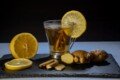
Ginger tea offers exceptional anti-inflammatory benefits that complement immune support. The compound gingerol, abundant in fresh ginger root, inhibits inflammatory pathways while stimulating white blood cell production. Clinical trials show ginger can reduce inflammatory markers like C-reactive protein by up to 40 percent, making it particularly valuable for seniors dealing with chronic inflammation.
Elderberry tea has gained significant attention for its antiviral properties, particularly against respiratory viruses. Research from the University of Eastern Finland demonstrated that elderberry extract reduced influenza symptom duration by 4 days compared to standard treatment. The anthocyanins in elderberries provide potent antioxidant protection while directly interfering with viral replication processes.
Antioxidant-Rich Herbal Teas
Antioxidant-rich teas play a crucial role in supporting immune function by neutralizing free radicals that can damage immune cells and accelerate aging. Green tea, rich in EGCG (epigallocatechin gallate), provides substantial immune-enhancing benefits. Studies show EGCG can increase the activity of macrophages and natural killer cells while reducing oxidative stress markers.
Rosemary tea contains carnosic acid, which protects immune cells from oxidative damage while enhancing their function. Traditional use combined with modern research confirms rosemary’s ability to stimulate lymphatic circulation, helping immune cells move efficiently throughout the body. The herb’s high ORAC (Oxygen Radical Absorbance Capacity) score makes it particularly valuable for combating the oxidative stress that accumulates with aging.
Turmeric tea, when combined with black pepper to enhance absorption, provides curcumin – a compound with well-documented immune-modulating effects. Curcumin can increase the production of cytokines that help coordinate immune responses while simultaneously reducing excessive inflammation that can impair immune function.
Expert-Recommended Immune-Boosting Recipes
Based on consultations with herbalists, nutritionists, and geriatricians, several specific tea blends have emerged as particularly effective for senior immune support. The Golden Immunity Blend combines turmeric, ginger, and black pepper in a way that maximizes absorption and effectiveness. This warming blend should be prepared fresh daily, as curcumin loses potency over time. The recipe calls for one teaspoon each of ground turmeric and ginger, Pinch of black pepper, and one tablespoon of fresh lemon juice
Another highly recommended combination is the Elder-Ginger Power Tea, which leverages the antiviral properties of elderberry with the immune-stimulating effects of ginger. This blend works particularly well during cold and flu season while remaining gentle enough for daily consumption. The addition of honey provides natural antibacterial compounds while soothing the throat.
Timing matters significantly when consuming immune-supporting teas. Morning consumption helps set the tone for robust immune function throughout the day, while evening blends can support recovery and sleep quality. Many experts recommend consuming these teas consistently rather than only when feeling unwell, as immune support works best as a preventive measure rather than a reactive treatment.
Ginger Elderberry Immunity Tea Recipe
This synergistic blend combines two powerhouse ingredients for maximum immune support. Ingredients include 1 tablespoon dried elderberries, 1 tablespoon fresh ginger root (sliced), 1 cup water, and 1 teaspoon honey (optional). Begin by bringing water to a boil, then add elderberries and simmer for 10 minutes. Add sliced ginger and continue simmering for another 5 minutes. Strain and serve warm, adding honey if desired.
For enhanced bioavailability, consider adding a pinch of turmeric and black pepper to this blend. The combination creates a spectrum of immune-supporting compounds that work together to enhance white blood cell activity, reduce inflammation, and provide antiviral protection. This tea can be prepared in advance and stored refrigerated for up to three days, making it convenient for busy seniors who want consistent immune support.
Consumption frequency should be 2-3 cups daily, preferably spaced throughout the day to maintain steady immune support. Start with smaller amounts if you’re new to these herbs, gradually increasing to full serving sizes as your system adjusts. Always consult with healthcare providers before beginning any new herbal regimen, especially if taking medications or managing chronic conditions.
Safety Considerations and Professional Guidance
While herbal teas offer wonderful immune-supporting benefits, safety considerations become increasingly important in golden years. Drug interactions represent a significant concern, particularly with blood-thinning medications where ginger and garlic-based teas may pose risks. Elderberry can interfere with immunosuppressive drugs, potentially compromising transplant patients or those with autoimmune conditions. Healthcare providers must review all herbal consumption with seniors to prevent adverse interactions.
Quality control presents another critical consideration. Unlike pharmaceutical products, herbal supplements lack standardized regulation, meaning potency and purity can vary dramatically between brands. Seniors should choose organic, third-party tested products from reputable suppliers. The presence of heavy metals, pesticides, or misidentified species can cause serious health complications, particularly in older adults with compromised organ function.
Dosage precision becomes crucial as metabolism slows with age. What might be safe for younger adults could be excessive for seniors, potentially causing liver or kidney stress. Professional guidance ensures appropriate dosing while considering individual health conditions, medication regimens, and overall physiological status. Geriatricians and licensed herbalists can provide personalized recommendations that maximize benefits while minimizing risks.
Conclusion
The golden years need not mean accepting diminished health as inevitable. Through strategic use of immune-supporting herbal teas, seniors can actively combat age-related immune decline while enhancing overall well-being. The key lies in understanding which herbs provide specific benefits, how to prepare them effectively, and ensuring safe integration into existing health routines. Consistency proves more valuable than occasional consumption, as these botanical compounds work best as preventive medicine rather than crisis intervention.
Remember that herbal teas complement, rather than replace, comprehensive wellness approaches including proper nutrition, regular exercise, adequate sleep, and professional medical care. Each person’s health journey is unique, requiring personalized attention to individual needs, contraindications, and goals. By working collaboratively with healthcare providers and approaching herbal support with knowledge and respect for its power, seniors can maintain vitality, prevent illness, and enjoy their golden years with renewed energy and optimism.
Image by: Gundula Vogel

 by
by 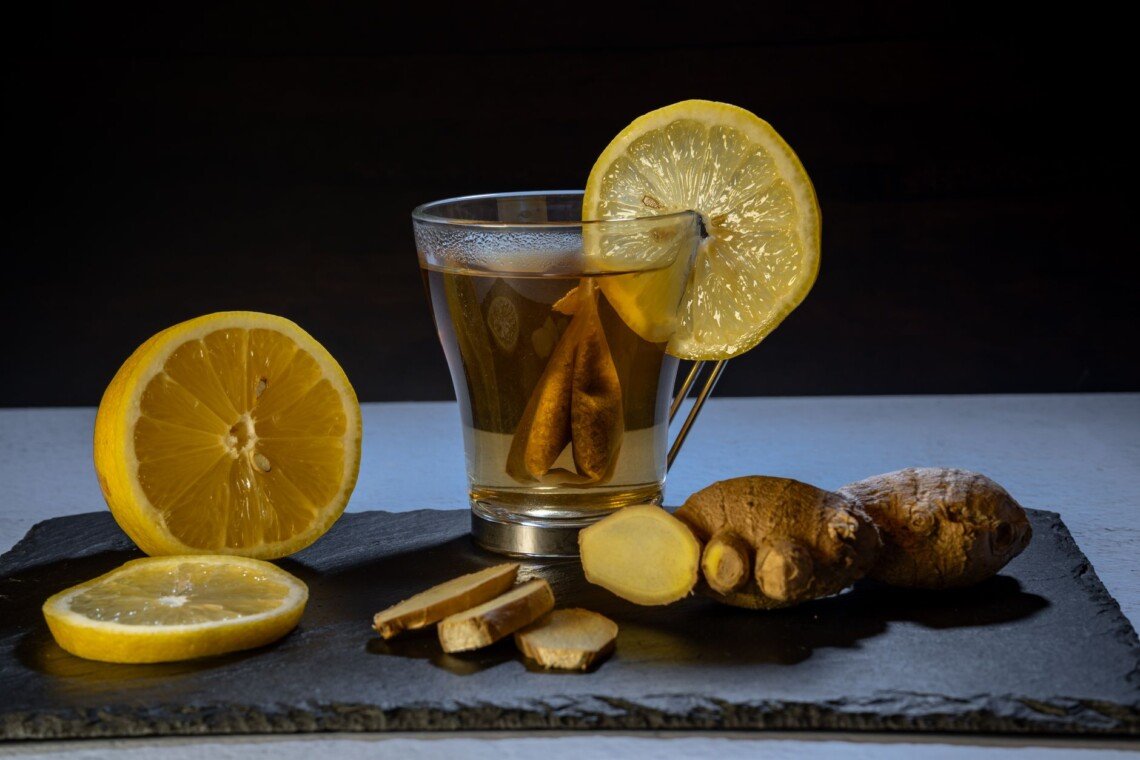

Latest Comments