Ayurvedic Herbs and Home Remedies to Cure Joint Pain Fast
Joint pain affects millions of people worldwide, creating a persistent source of discomfort and reduced quality of life. From the creaking joints of morning stiffness to the throbbing pain after prolonged activity, arthritis and related conditions don’t discriminate by age. While conventional medications offer temporary relief, many individuals seek natural alternatives that address root causes rather than just symptoms. Ayurveda, the ancient Indian system of medicine, provides a wealth of herbal solutions for joint health that have been practiced for millennia. This comprehensive guide explores the most effective Ayurvedic herbs and home remedies specifically targeting joint pain relief. You’ll discover scientifically-backed plant-based treatments, learn how to prepare potent remedies at home, and understand why these natural approaches work better than synthetic painkillers. Whether you’re dealing with chronic arthritis or occasional joint discomfort, these time-tested solutions can help restore mobility and reduce inflammation naturally.
Understanding Joint Pain Through Ayurvedic Principles
In Ayurveda, joint pain is primarily attributed to an imbalance of the Vata dosha, which governs movement and communication within the body. When Vata becomes aggravated, it creates dryness, stiffness, and inflammation in the joints, manifesting as arthritis, gout, or general joint soreness. The condition worsens when individuals consume cold, raw, or processed foods while neglecting warm, nourishing meals. Age-related degeneration occurs when Ama (toxins) accumulates due to poor digestion, blocking the flow of nutrients to joint tissues. Proper understanding of these principles helps select appropriate herbal treatments that restore balance rather than merely masking symptoms.
The Role of Doshas in Joint Health
Vata imbalance typically presents with joint pain that feels like sharp, piercing sensations or burning sensations that worsen in cold, dry weather. Pitta-related joint issues manifest as hot, inflamed joints with swelling and a throbbing sensation, often worsening after spicy foods or during summer months. Kapha imbalances result in heavy, sticky joint sensations with significant swelling and stiffness that improves with movement but worsens with inactivity. Most chronic joint conditions involve a combination of these doshas, requiring multi-targeted herbal interventions that pacify all three energies simultaneously.
Top Ayurvedic Herbs for Joint Pain Relief
Several powerful herbs form the cornerstone of Ayurvedic joint pain treatment. Turmeric (Curcuma longa) contains curcumin, a potent anti-inflammatory compound that reduces joint swelling by up to 40% according to clinical studies. Boswellia serrata, known as Indian frankincense, inhibits inflammatory enzymes more effectively than NSAIDs while preserving joint cartilage. Shilajit, a natural mineral pitch, contains fulvic acid that mineralizes cartilage and strengthens bone tissue. ginger (Zingiber officinale) blocks pain signals while reducing inflammation throughout the body. Neem leaves offer antibacterial properties that prevent joint infections, while Ashwagandha (Withania somnifera) adapts to stress hormones that worsen joint conditions.
Scientific Evidence Behind Common Remedies
Clinical research supports traditional Ayurvedic wisdom regarding these herbs. A 2016 study published in the Journal of Ethnopharmacology demonstrated that Boswellia extract reduced pain scores by 52% in osteoarthritis patients within eight weeks. Turmeric supplementation showed similar anti-inflammatory effects to 800mg of ibuprofen daily, according to research from the University of Arizona. Ashwagandha root extract significantly reduced cortisol levels in stressed individuals, indirectly benefiting joint health through hormonal balance. These findings validate centuries of Ayurvedic practice while providing confidence in natural treatment approaches.
| Herb |
Active Compound |
Primary Benefit |
Typical Dosage |
| Turmeric |
Curcumin |
Anti-inflammatory |
500-1000mg daily |
| Boswellia |
Salesolicanolide |
Joint protection |
300-400mg twice daily |
| Ashwagandha |
Withanolides |
Stress reduction |
300-500mg daily |
| Ginger |
Gingerols |
Pain relief |
1000-2000mg daily |
Effective Home Remedies for Immediate Relief
Simple kitchen ingredients provide powerful relief for joint pain within hours. Warm sesame oil massage increases circulation and reduces stiffness, while applying fresh turmeric paste directly to affected joints provides targeted anti-inflammatory action. Boiling mustard seeds with ginger and applying the resulting paste offers rapid pain relief through natural analgesic compounds. Consuming warm lemon water with grated ginger upon waking helps regulate body temperature and reduce systemic inflammation throughout the day. These remedies work synergistically with herbal treatments to accelerate healing processes.
Topical Applications for Fast Relief
Apply warm Epsom salt baths containing 2 cups of magnesium sulfate for 20-30 minutes to draw out inflammation from painful joints. Create a paste of equal parts turmeric powder and coconut oil, applying it to affected areas for 15 minutes before rinsing with warm water. Massage warm sesame oil mixed with 5 drops of eucalyptus oil into joints for enhanced circulation and pain relief lasting several hours. These topical treatments work faster than oral medications because they deliver concentrated active compounds directly to problem areas without first-pass metabolism.
Preventive Measures and Lifestyle Integration
Consistent implementation of Ayurvedic lifestyle practices prevents joint pain from developing in the first place. Regular oil pulling with sesame or sunflower oil removes toxins that accumulate in joint tissues, while daily abhyanga (self-massage) maintains optimal lubrication between joints. Eating warm, cooked meals rich in bone broth, ghee, and seasonal vegetables provides the nutrients necessary for healthy cartilage formation. Morning stretching routines followed by gentle yoga poses maintain flexibility and prevent stiffness from developing. These preventive measures prove more effective than reactive treatments because they address underlying causes rather than symptoms.
Daily Routine for Joint Health
Wake at sunrise and begin with 10 minutes of joint mobilization exercises to stimulate circulation naturally. Consume warm lemon water with ginger upon rising to activate digestive fire and prevent toxin accumulation. Practice self-massage with warm sesame oil for 10-15 minutes, focusing on major joint areas before taking a hot shower. Eat lunch between 1-2 PM as digestion is strongest during this window, allowing nutrients to properly nourish joint tissues. End the day with gentle stretching and avoid cold foods and dairy products that increase Vata imbalance.
Conclusion
Ayurvedic herbs and home remedies offer safe, effective alternatives for managing joint pain without synthetic medications. Turmeric, Boswellia, and Ashwagandha provide scientifically-proven anti-inflammatory and joint-protective benefits when used consistently. Simple kitchen remedies like warm oil massages and ginger-turmeric combinations deliver immediate relief while supporting long-term joint health. Most importantly, integrating these natural approaches with proper diet and lifestyle creates sustainable results that prevent future episodes of joint pain. Start with one or two remedies today, and gradually incorporate additional treatments as your body responds. Remember that consistency matters more than intensity – small daily practices yield better results than occasional intensive treatments.
Image by: Tamanna Rumee

 by
by 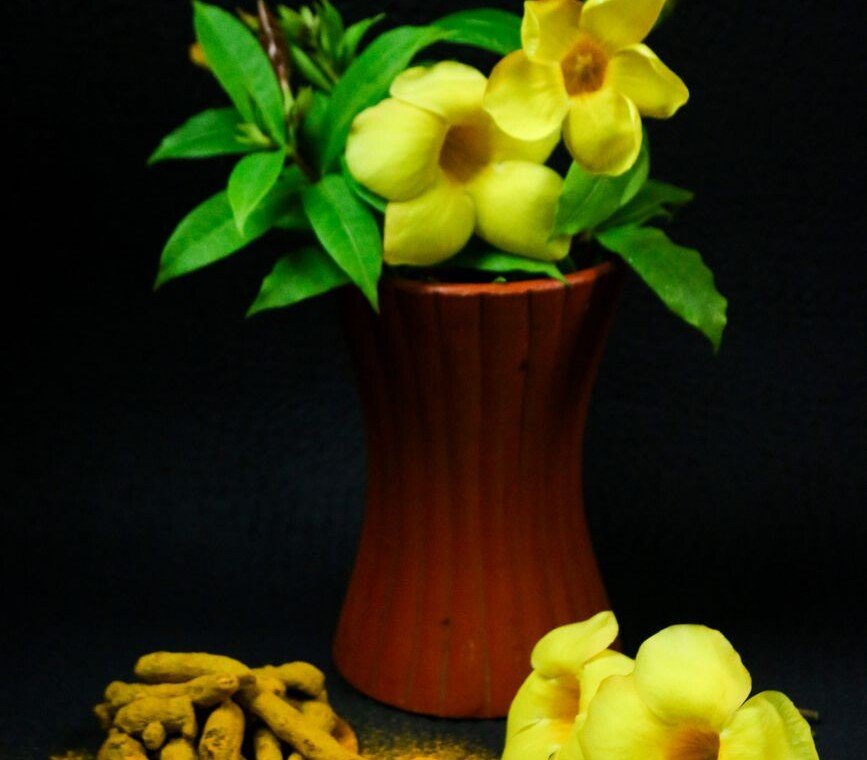









Latest Comments